World of Threads Festival
De rerum natura (On The Nature of Things)
2012 Exhibition: Gallery
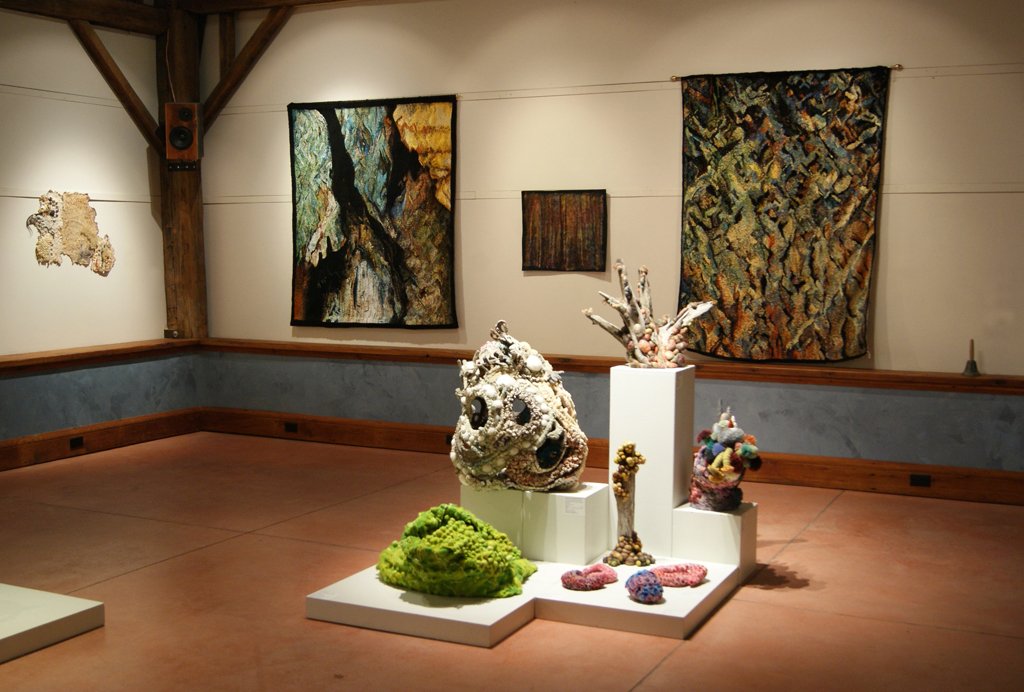
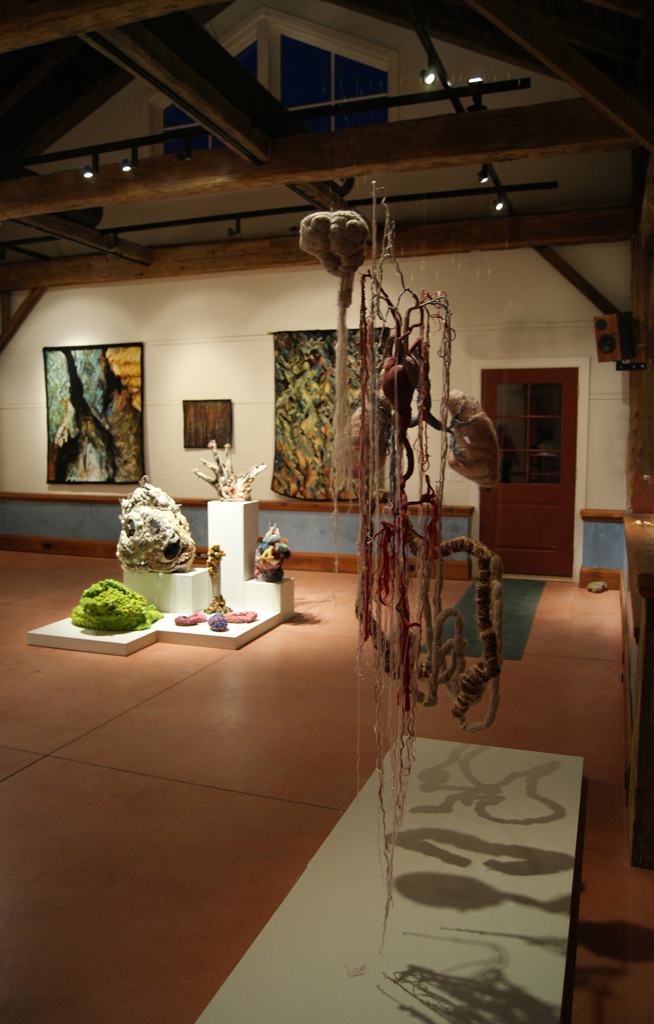
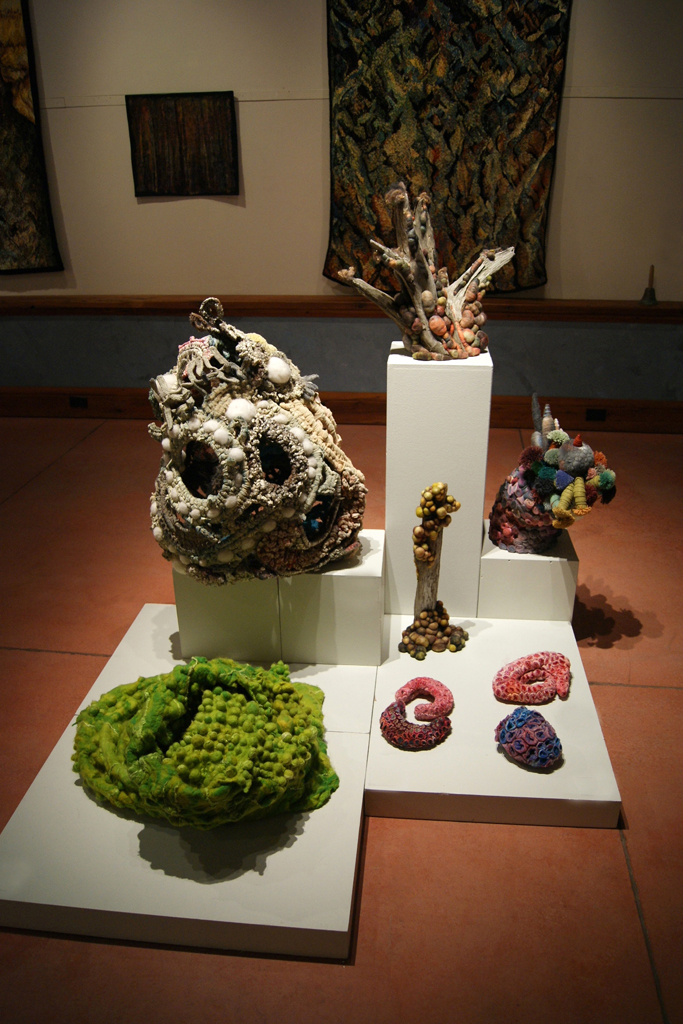
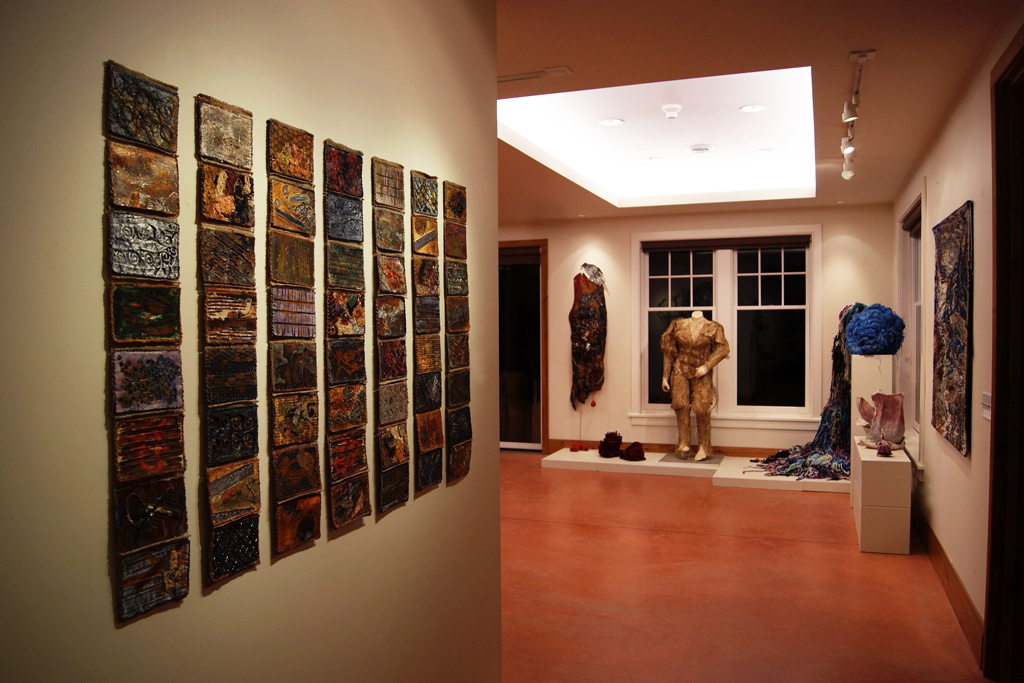
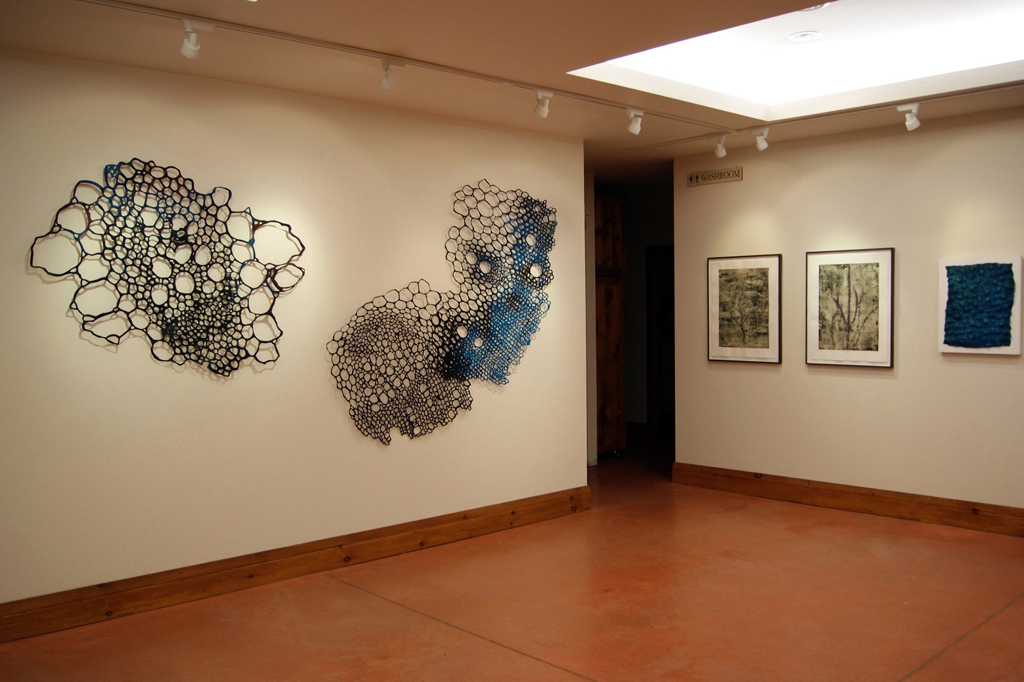
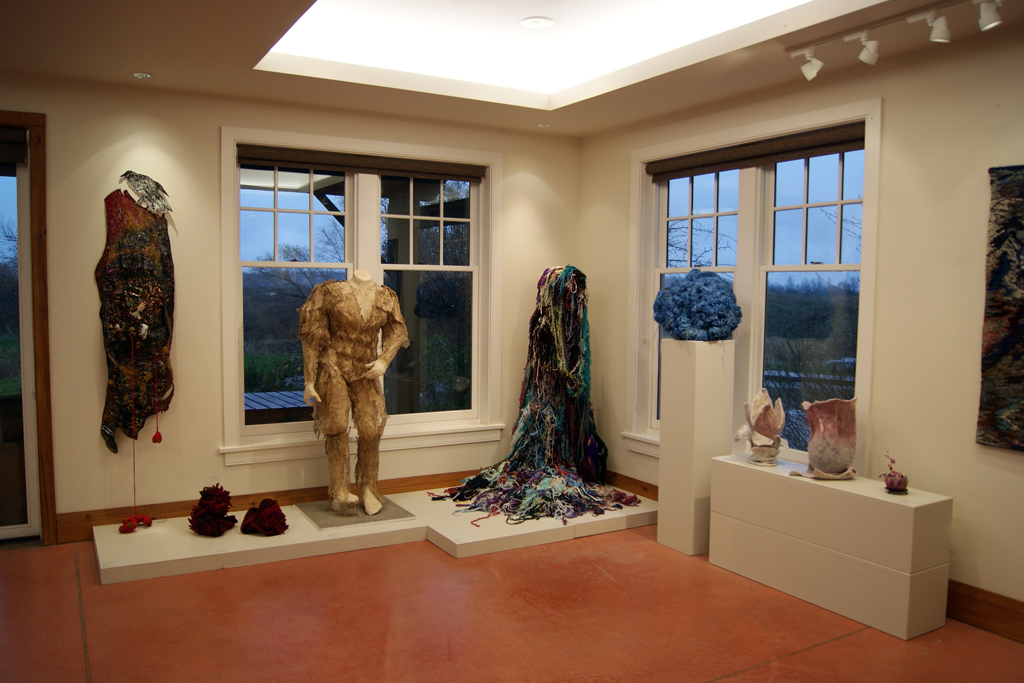
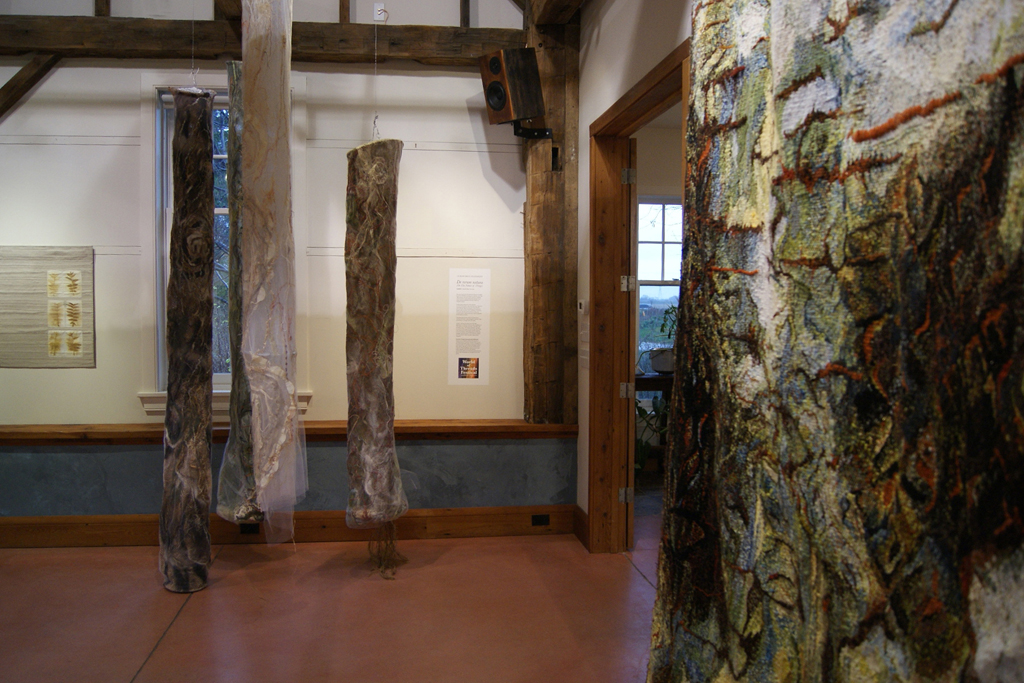
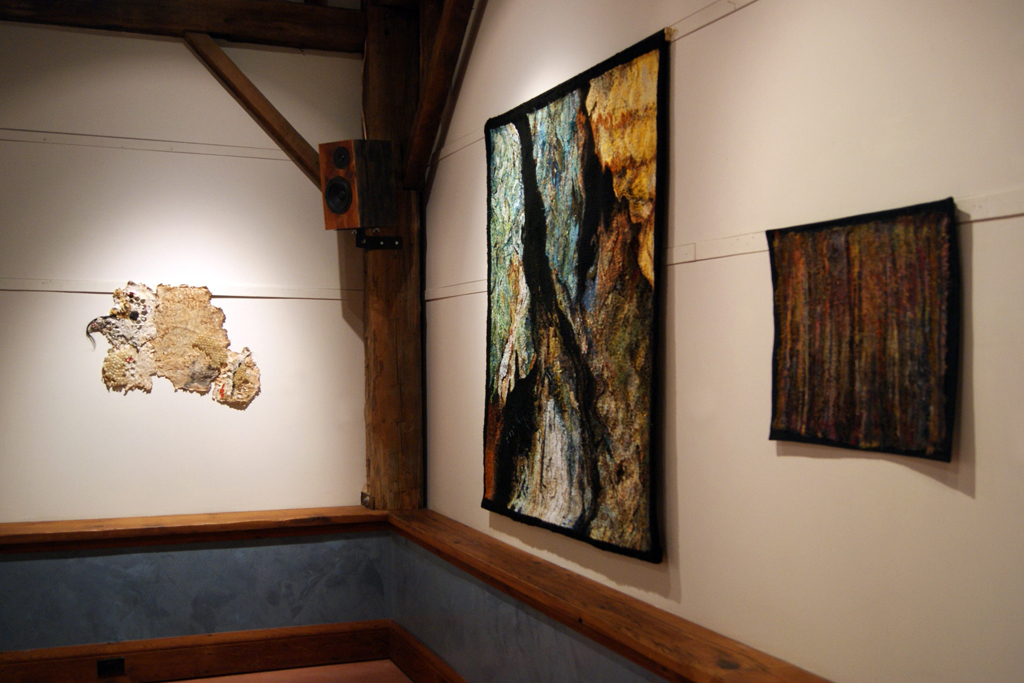
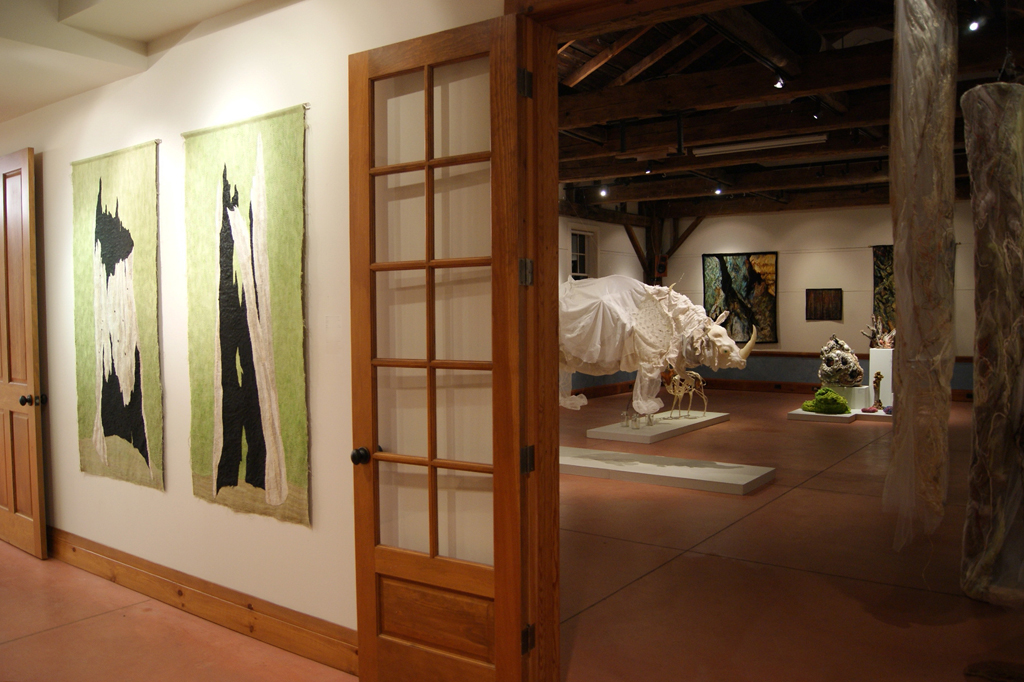
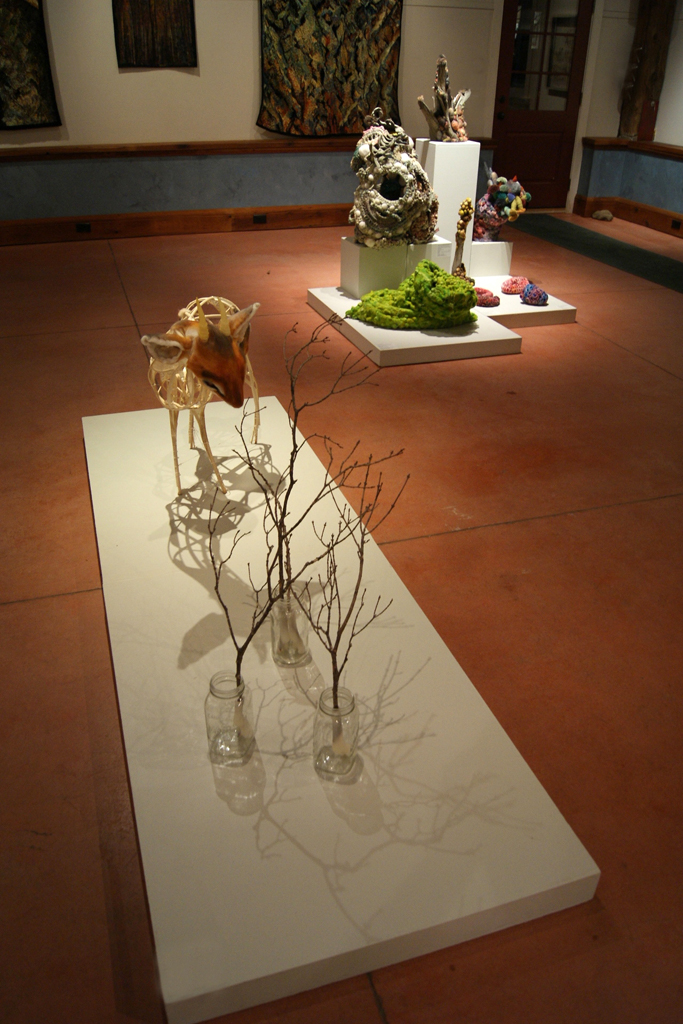
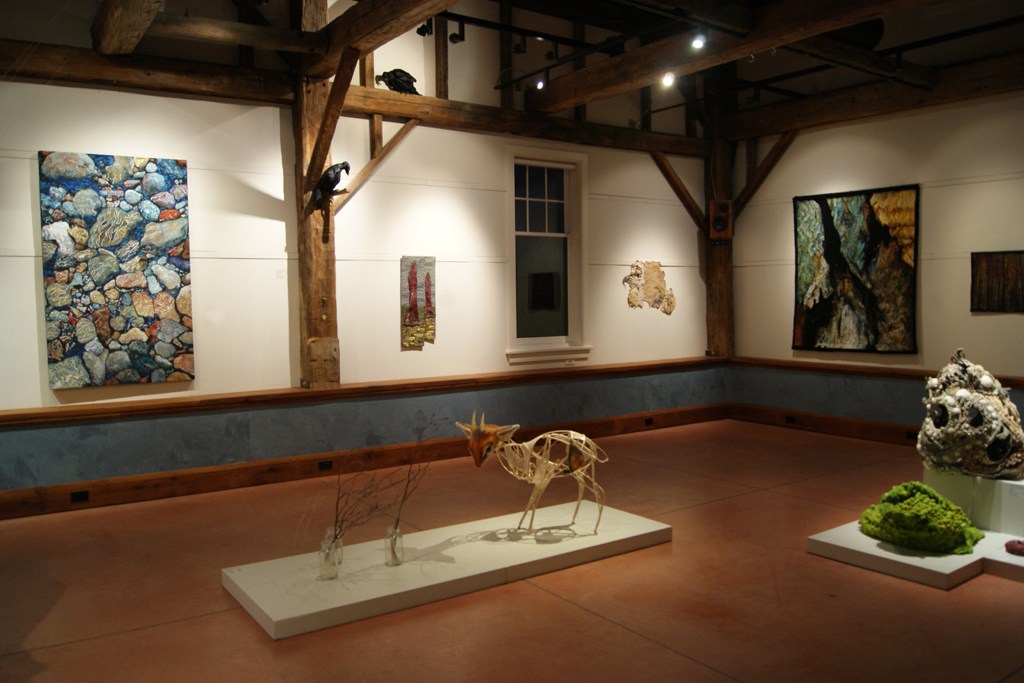
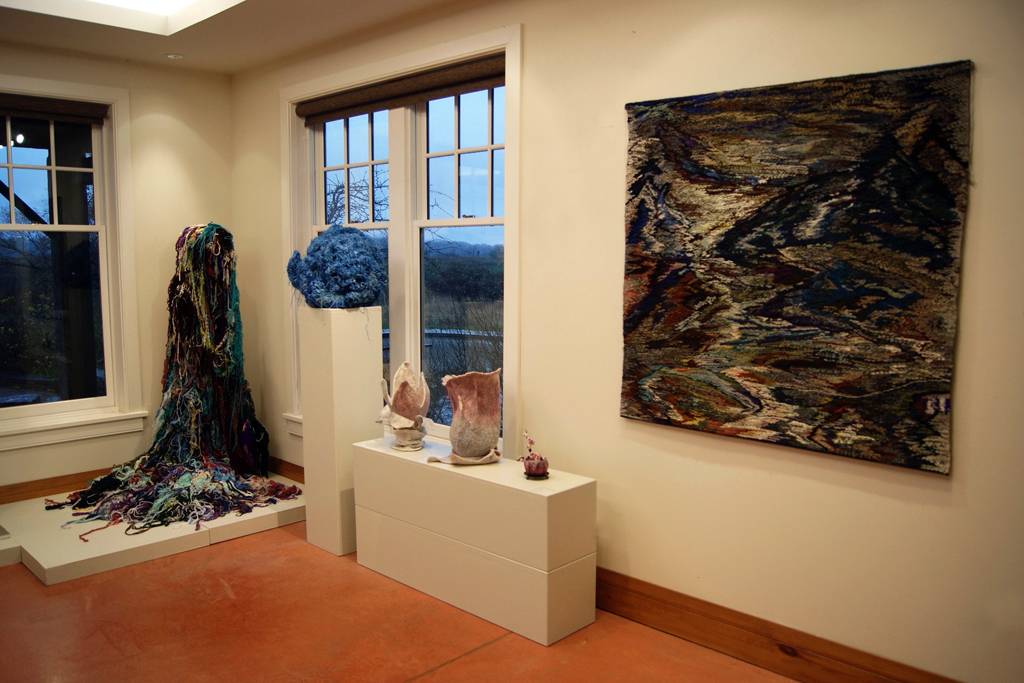
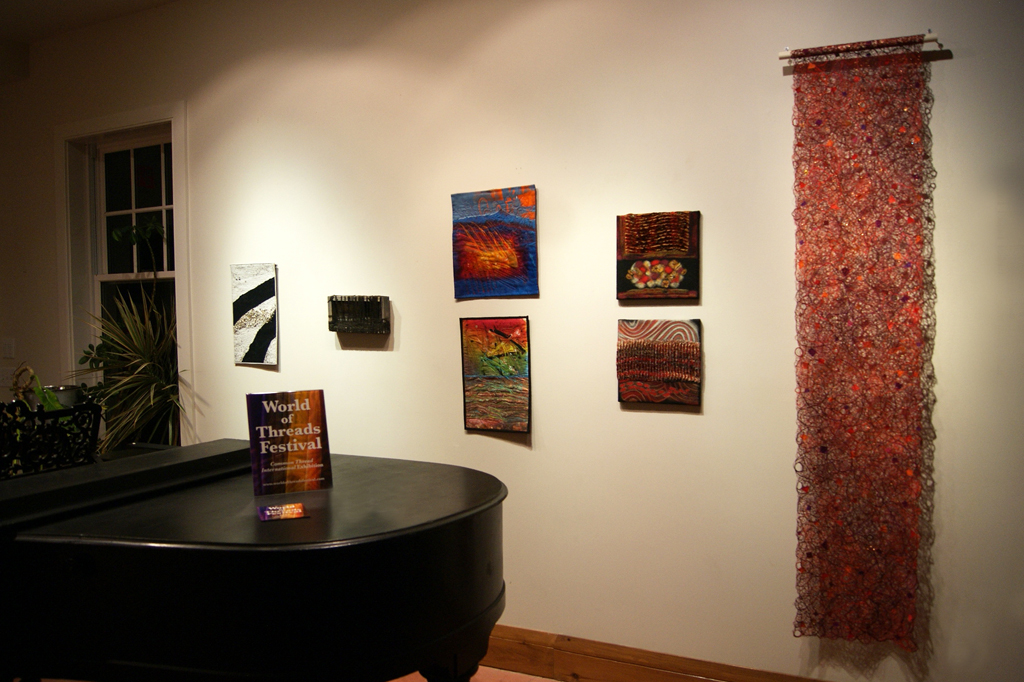
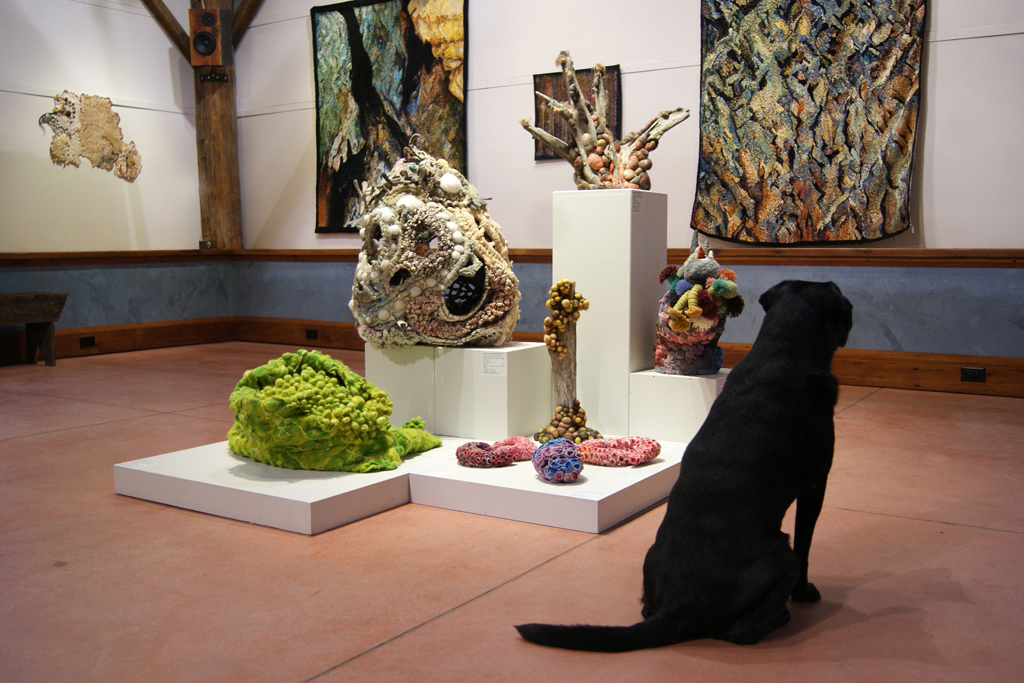
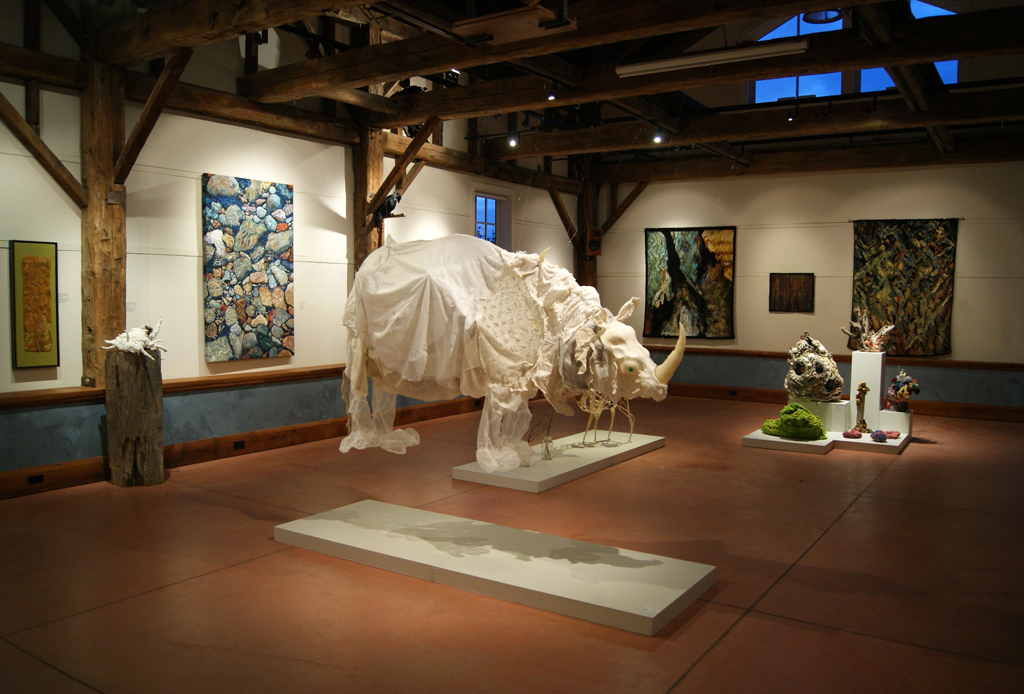
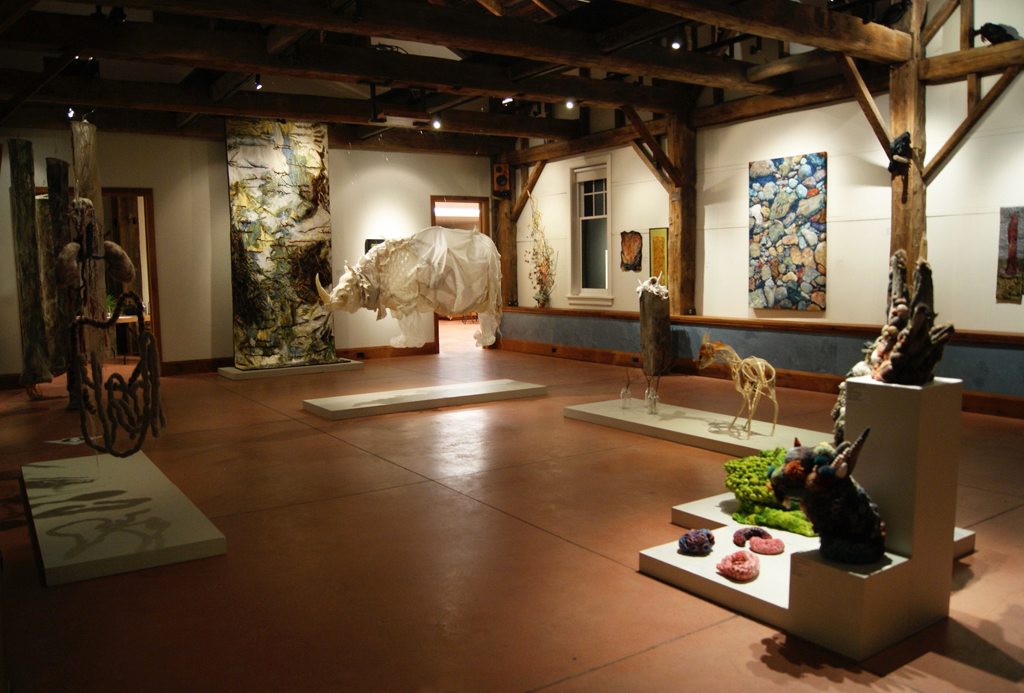
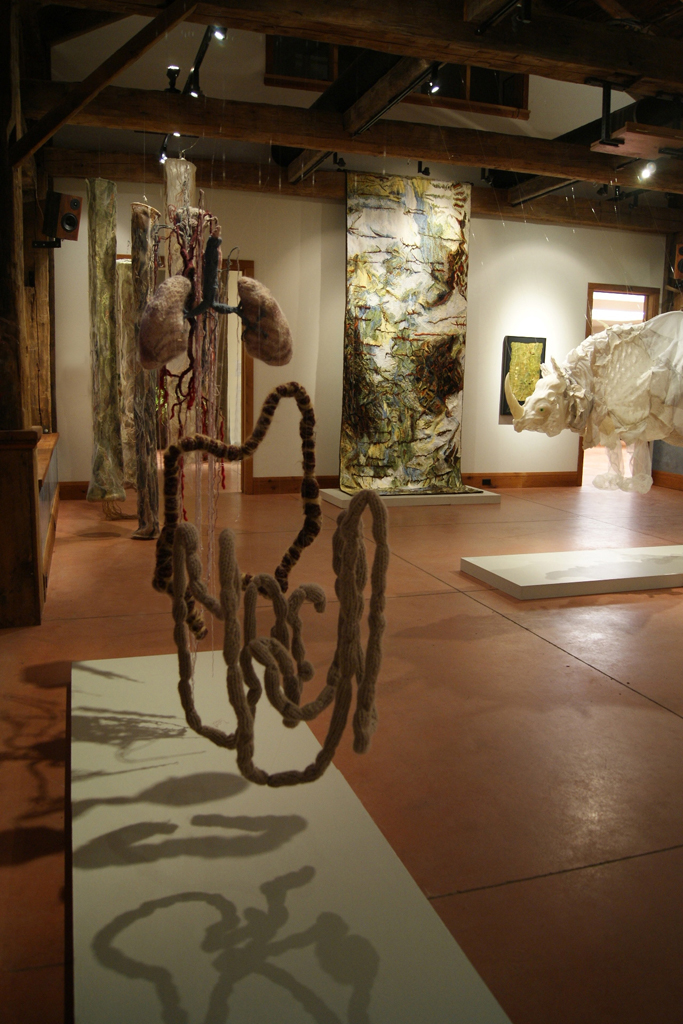
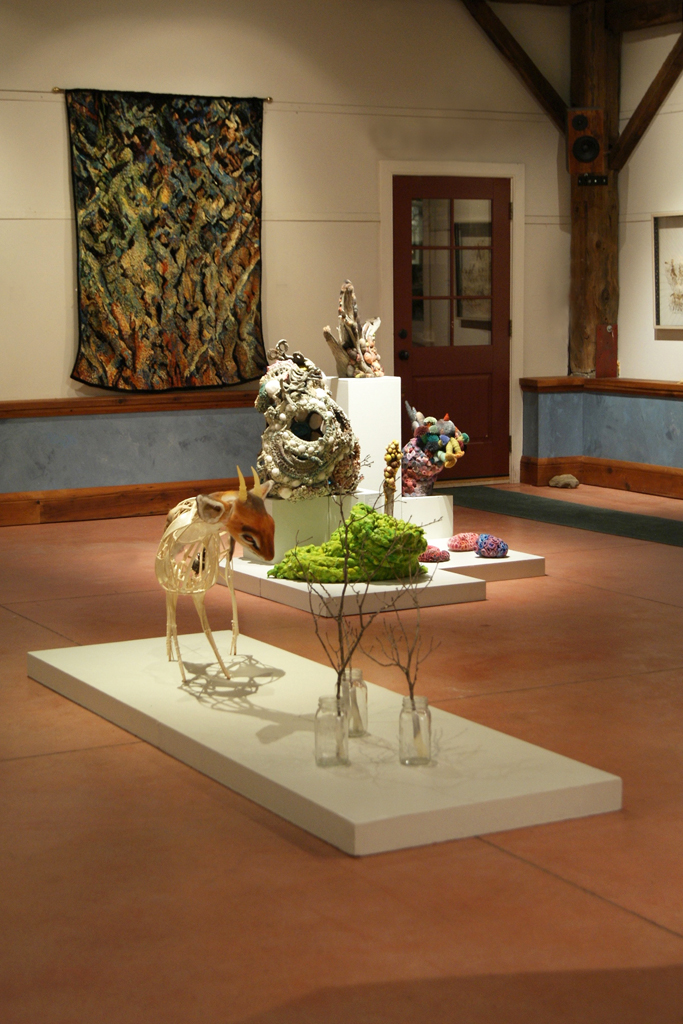
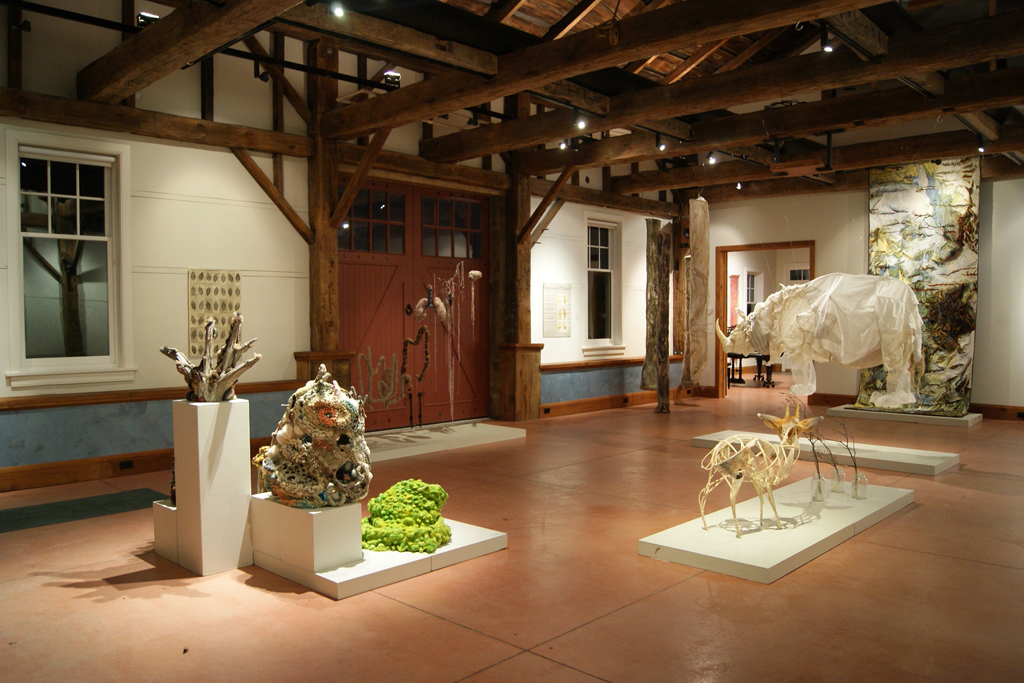
This major Festival exhibition is a highly eccentric show evoking the collection of a mad 18th century naturalist. All artwork deals with themes of nature, plants and animals in a huge variety of media. Festival Curator, Gareth Bate, has observed that environmental work is the most dominant theme in contemporary fibre art. The title of the show comes from the ancient Roman poem by Lucretius who's rediscovery was a major inspiration for Renaissance artists. The show is set up in thematic opposition to the Memento more exhibition.
Curated by Gareth Bate
Photography by Gareth Bate
Artists
- Canada: British Columbia: Vancouver: Bettina Matzkuhn, Carlyn Yandle. Manitoba: Winnipeg: Heather Komus, Ingrid Lincoln. New Brunswick: Saint John: Sandra Betts. Ontario: Alliston: Amy Bagshaw, Kingston: Phillida Hargreaves, Robin Laws Field, Sylvia Naylor, Kitchener: Joanne Young, Mississauga: Pat Hertzberg, Oakville: Sybil Rampen, Ixchel Suarez, Ottawa: Sayward Johnson, Rockwood: Susan Strachan Johnson, Toronto: Lizz Aston, Karen Darricades, Libby Hague, Jillian MacLachlan, Liz Menard, Leanne Shea Rhem, Sheila Thompson, Tweed: Marta Mouka. Quebec: Montreal: Soufia Bensaid, Emily Jan, Valerie D. Walker, St-Sauveur: Marjolein Dallinga. Saskatchewan: Meacham: June J.Jacobs.
- Denmark: Copenhagen: Birgitta Hallberg.
- UK: Liverpool: Sarah Martin.
- USA: California: San Francisco: Chris Motley. Georgia: Atlanta: Leisa Rich. Massachusetts: Somerville: Jodi Colella. Oregon: Philomath: Laura G. Berman. Virginia: Charlottesville: Lotta Helleberg.
Gallery
- Joshua Creek Heritage Art Centre.
City
- Oakville, Ontario, Canada
Dates
- Nov. 2 - Dec. 2, 2012
Synchronistic Curating
Something that's different about World of Threads Festival is that we let the art guide us. Festival curators Gareth Bate and Dawne Rudman don't have predetermined curatorial ideas or impose our concepts on the artists. Each new festival is a blank slate. Shows develop entirely out of the submissions we receive.
To find our main exhibitions we look for connections and common themes between thousands of artworks. These works were made by hundreds of artists from around the world. Often artists seem to be on the same wavelength during a particular period. Over time, through many hours of sorting through artworks, the exhibition themes just emerge and become clear to us. This method has been very successful and resulted in compelling and unique exhibitions.
What was the main theme for this exhibition?
Gareth Bate: Through looking at a lot of fibre art and doing our Fibre Artist Interviews series I'd noticed that a lot of people were making work on an environmental theme. The show was a highly eccentric exhibition evoking the collection of a mad 19th century naturalist. All the artwork dealt with themes of nature, plants and animals. I decided to set up an opposition between my other exhibition Memento mori, which was all about death, mortality and grieving. So this show featured all brightly coloured work evoking the natural world. It was perfectly situated at Joshua Creek Heritage Art Centre.
Can you talk a bit about the gallery?
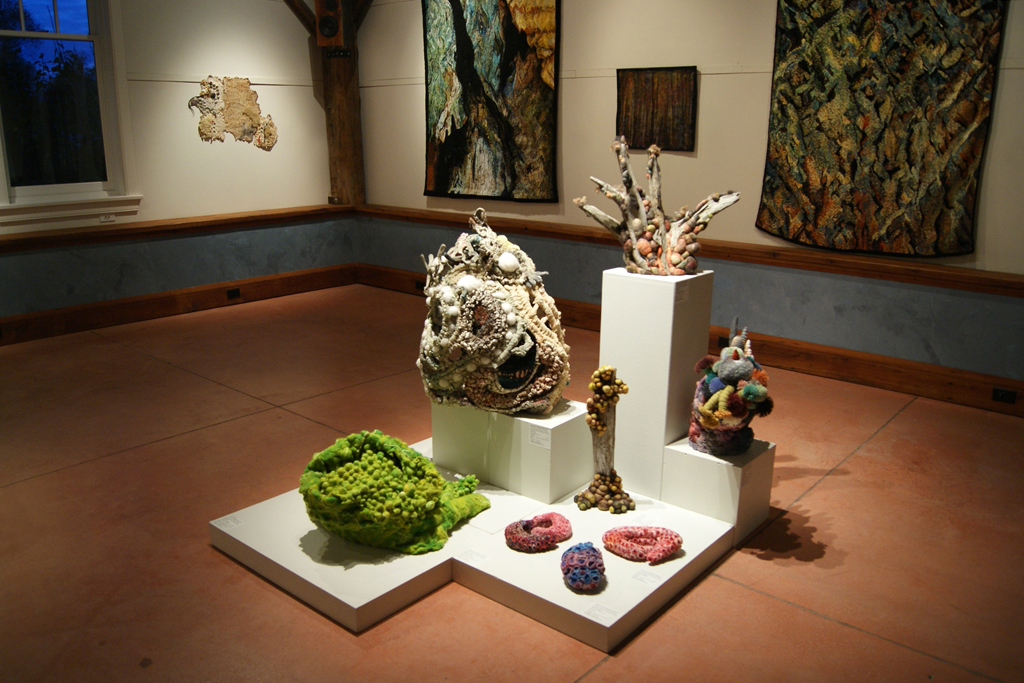
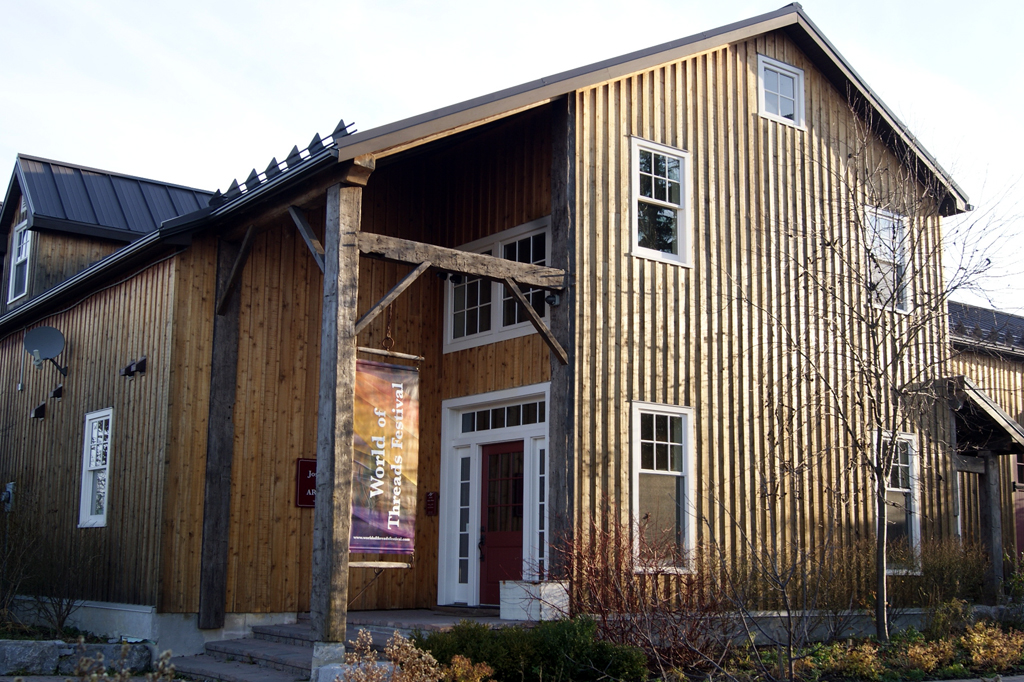
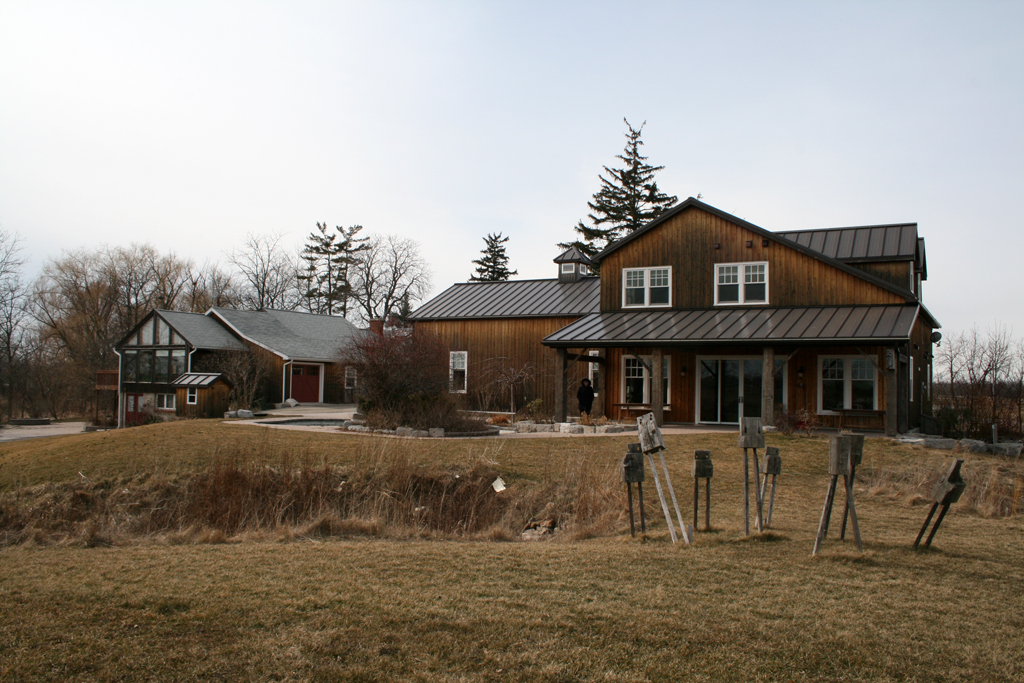
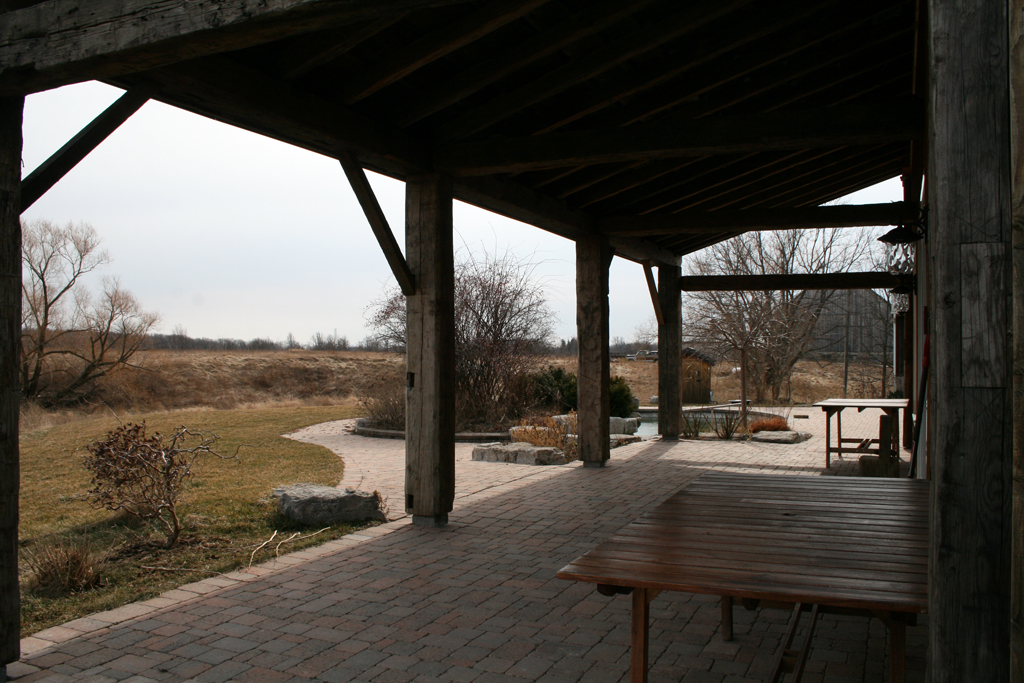
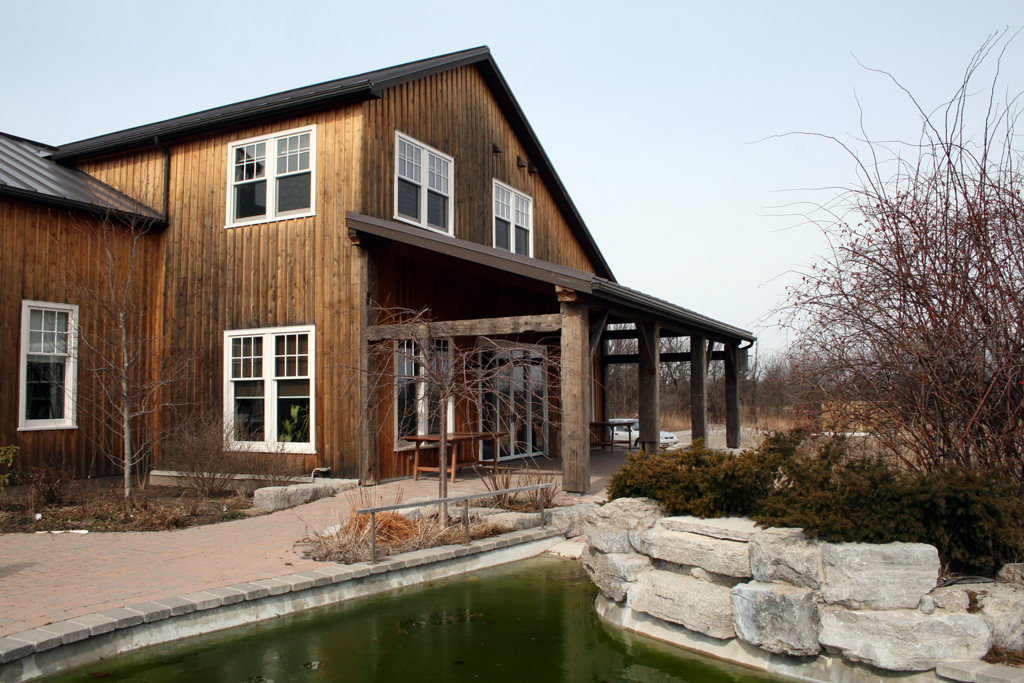
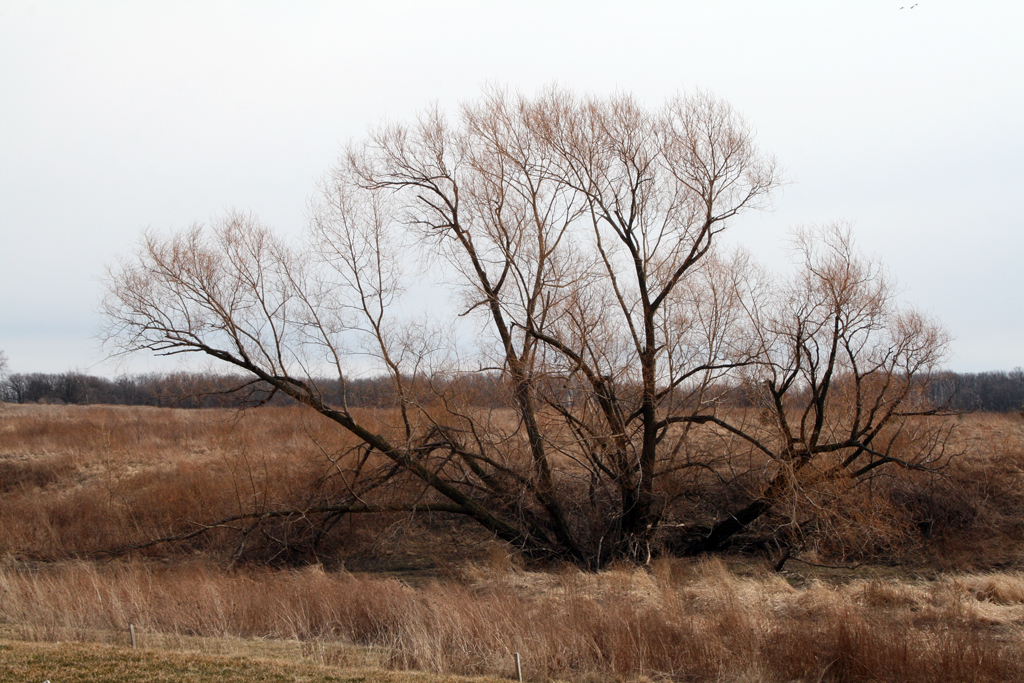
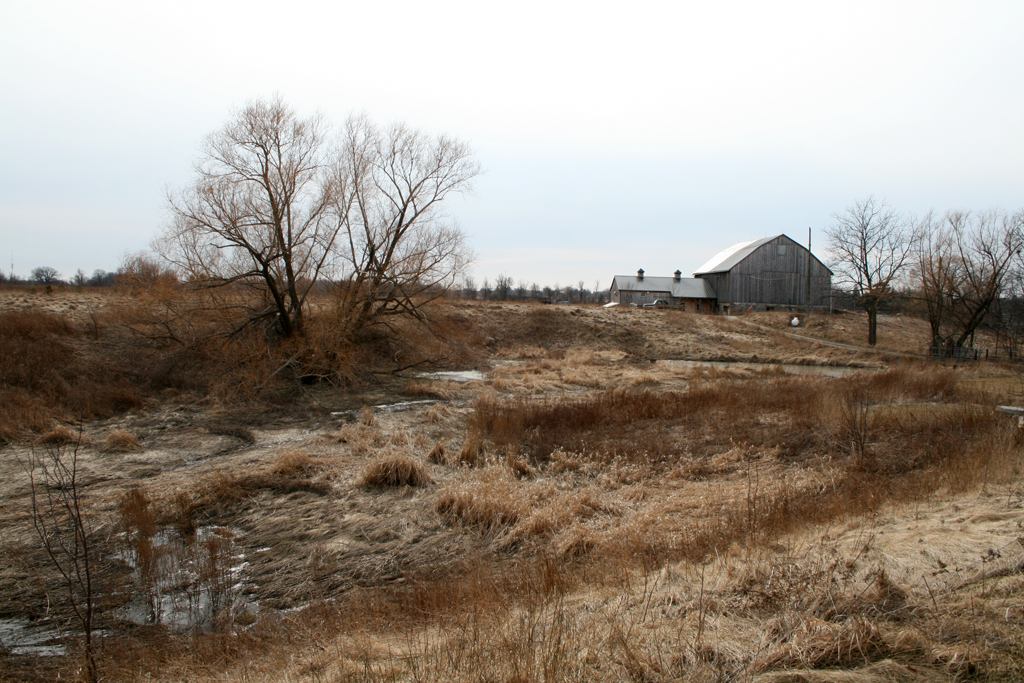
Gareth Bate: Joshua Creek Heritage Art Centre is a beautiful location that was perfect for the theme of the show. The environment around it was obviously key to the success of the exhibition. I considered this site-specific, as I don't think mounting this exhibition in a plain white box gallery would have worked.
It also has unique challenges as a venue. One of the issues is the bench that runs around the whole gallery space with the blue stripe. This is a visual distraction and cuts the wall off so that it is impossible to install work beyond a certain size. I wish the bench and blue stripe weren't there.
How did you come up with the title of the show?
Gareth Bate: The title for the show came from reading the book The Swerve: How the World Became Modern by Stephen Greenblatt. It is a history of the rediscovery of ancient texts during the Renaissance by people like Poggio Bracciolini. He travelled across Europe to visit Christian monasteries where monks had been transcribing ancient texts for a thousand years. This is literally the only reason any of these texts survived after the fall of the Roman Empire.
Greenblatt talks about the rediscovery of an Epicurean text by Roman philosopher Lucretius. De rerum natura (On the Nature of Things) is a Roman summary of the Epicurean philosophy. It is quite remarkably modern in the sense that it understands the world to be made up of atoms that reconfigure themselves in a million forms and evolve over time to create the world as we see it. There is no guidance provided by supernatural forces. This text revolutionized the Renaissance and was the inspiration for artists like Botticelli in his painting La Primavera.
Most Canadians would probably be famililar with the name "The Nature of Things" As referencing David Sazuki's hit science television show. But the real origin is Roman!