World of Threads Festival
Where Were You When Amy Winehouse Died?
2012 Exhibition: Artwork
The question posed raises concerns regarding the representation of icons and iconic images that transform and become subverted by culture throughout time. When we consider the question "Where were you when Amy Winehouse died?" we may be asking a literal question regarding time and place, but in actuality we are asking a larger metaphorical question. The inquiry of "where we were" begs the questions of what did the event really meant us on a person level and in a cultural context.
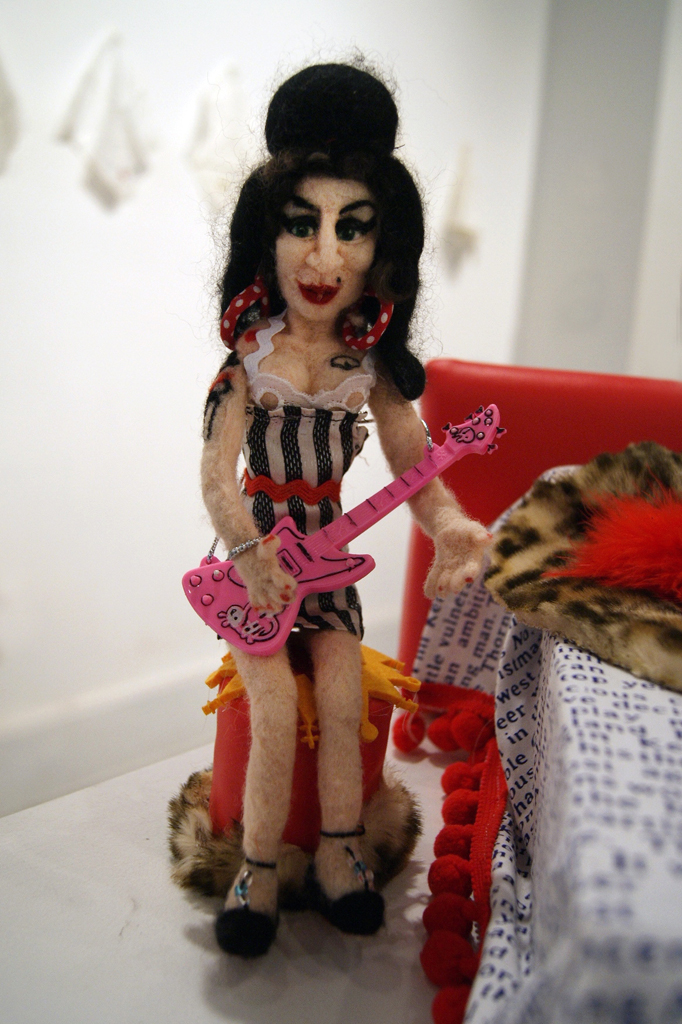
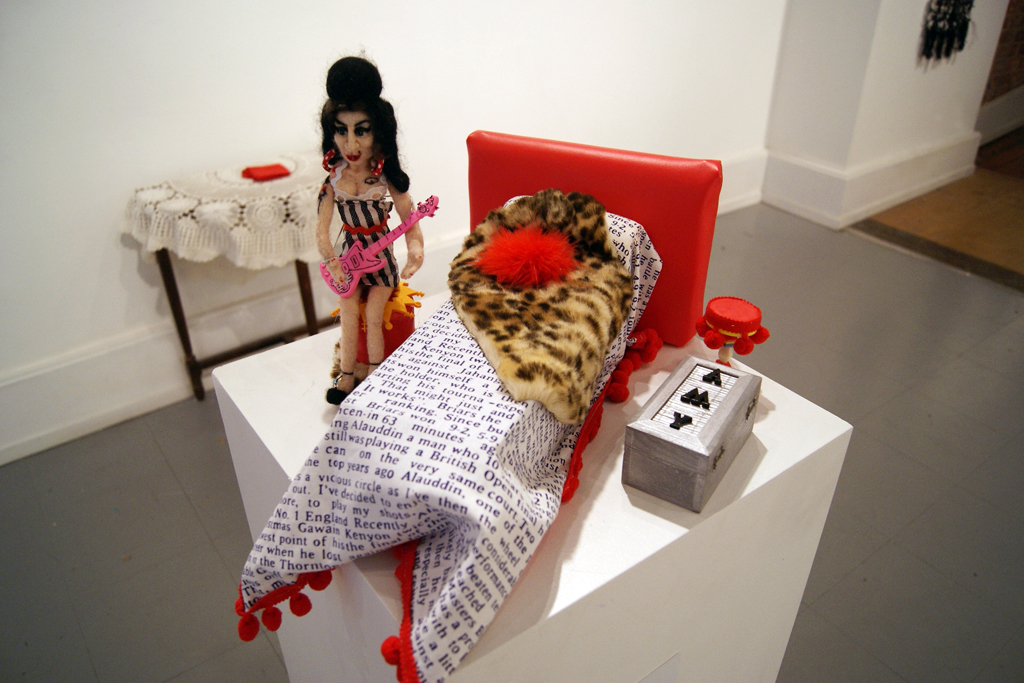
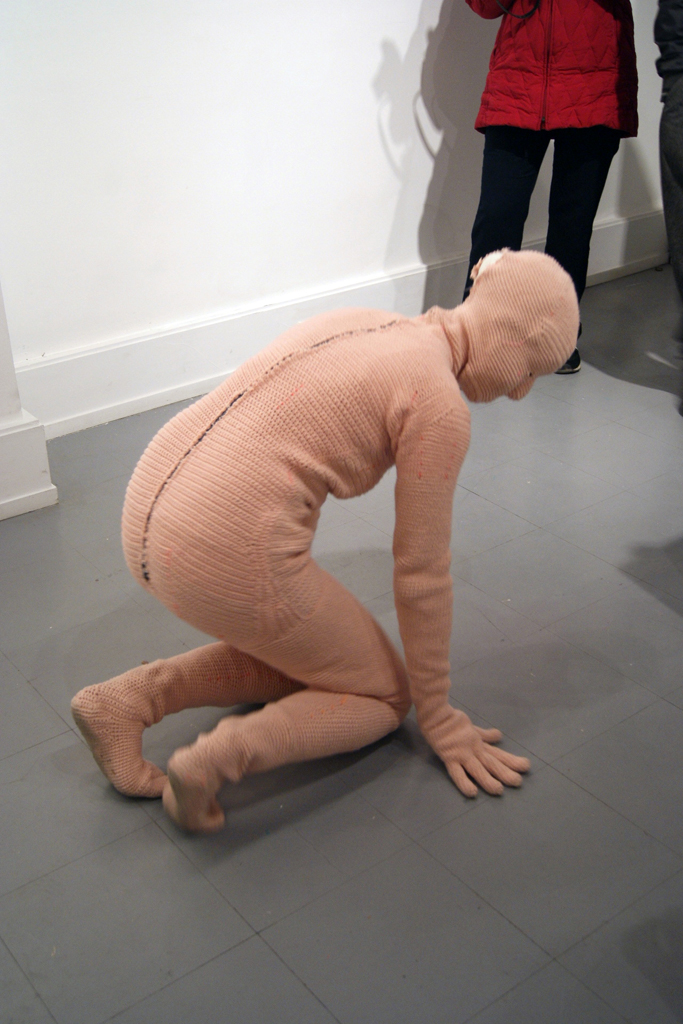
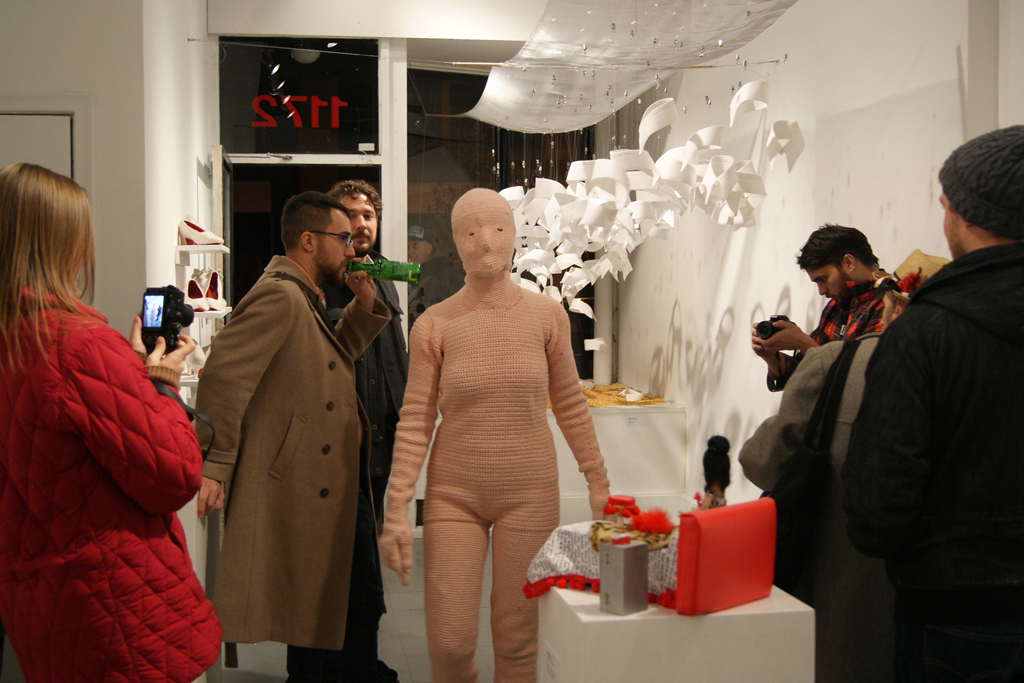
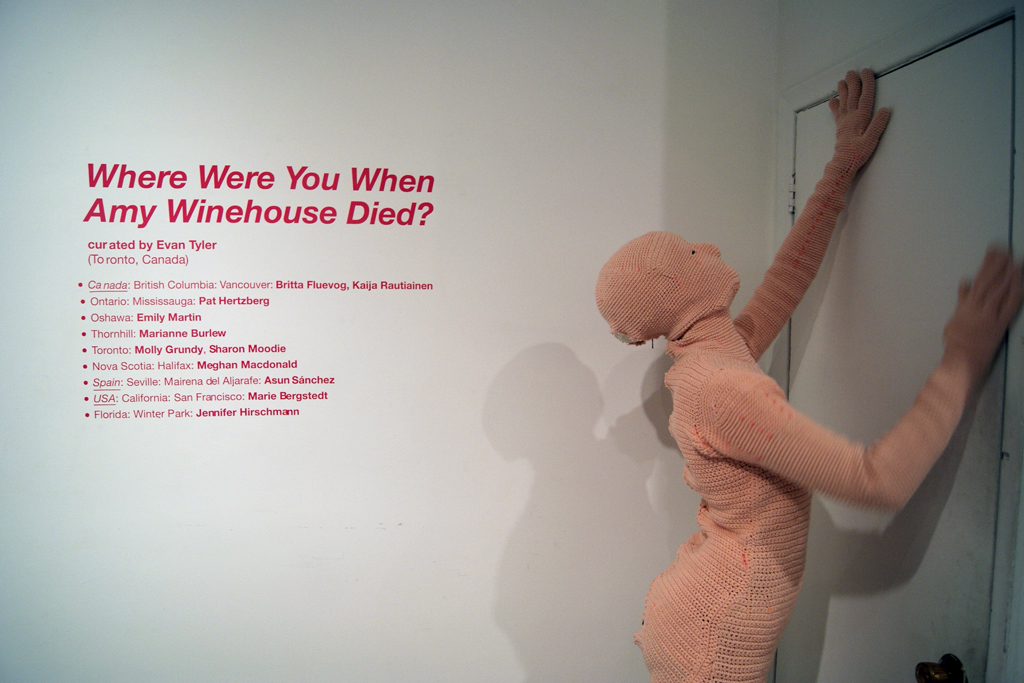
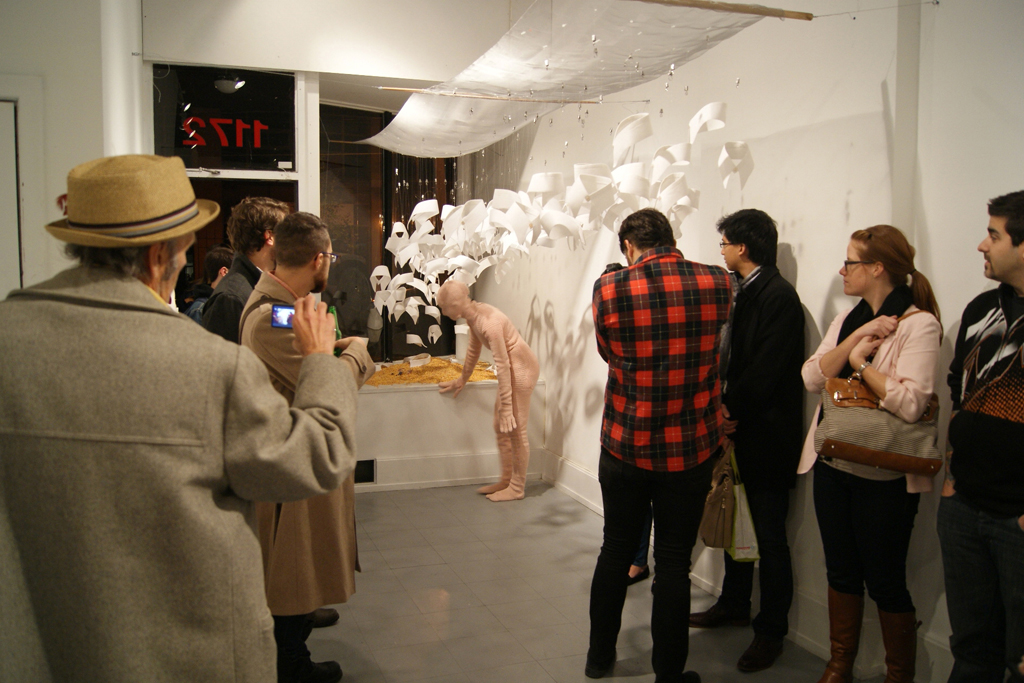
Where were you when Amy Winehouse died? explores ideas of representation, embodiment, pop culture and shifting iconographies. The death of Amy Winehouse, English singer and songwriter, presents a tragedy that challenges the line between confidence and strength with other dimension of insecurity and vulnerability.
Wrtiging by Evan Tyler
Photography by Gareth Bate
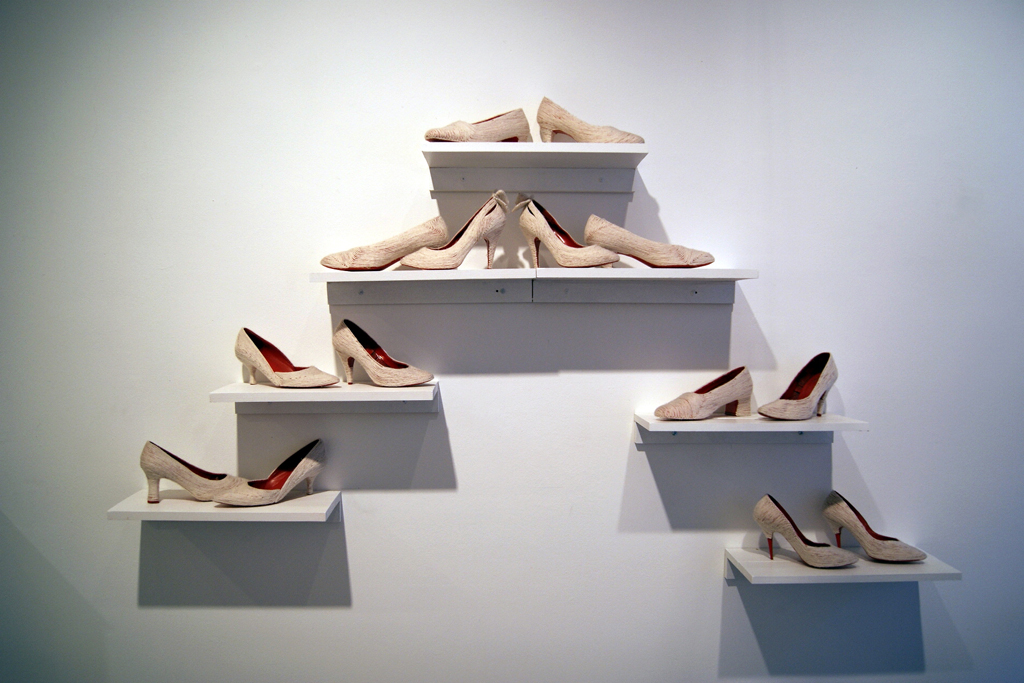
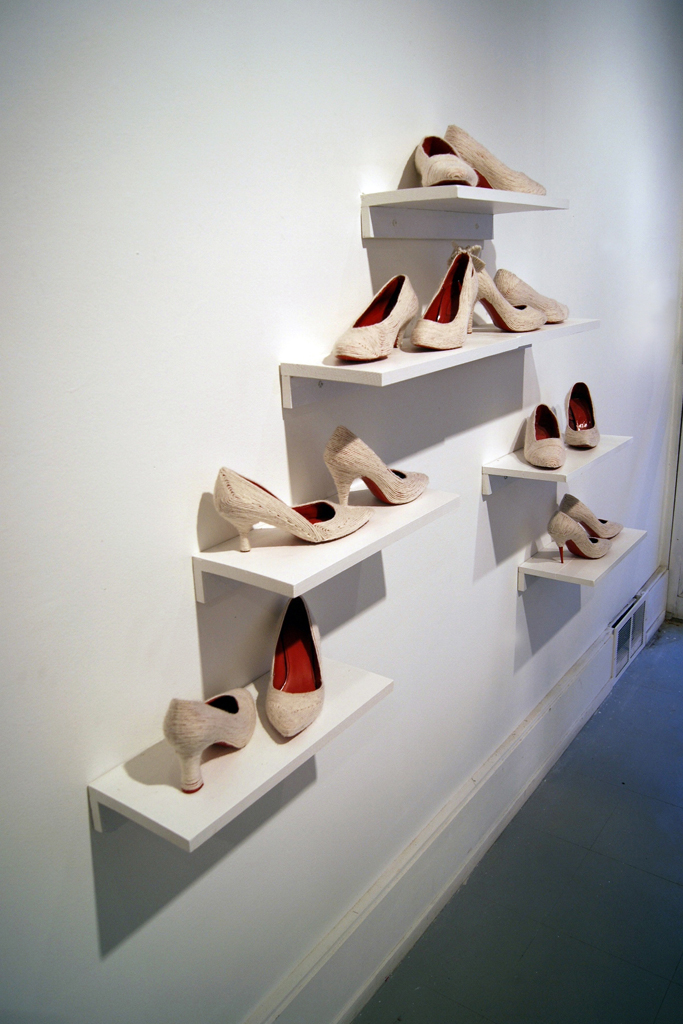
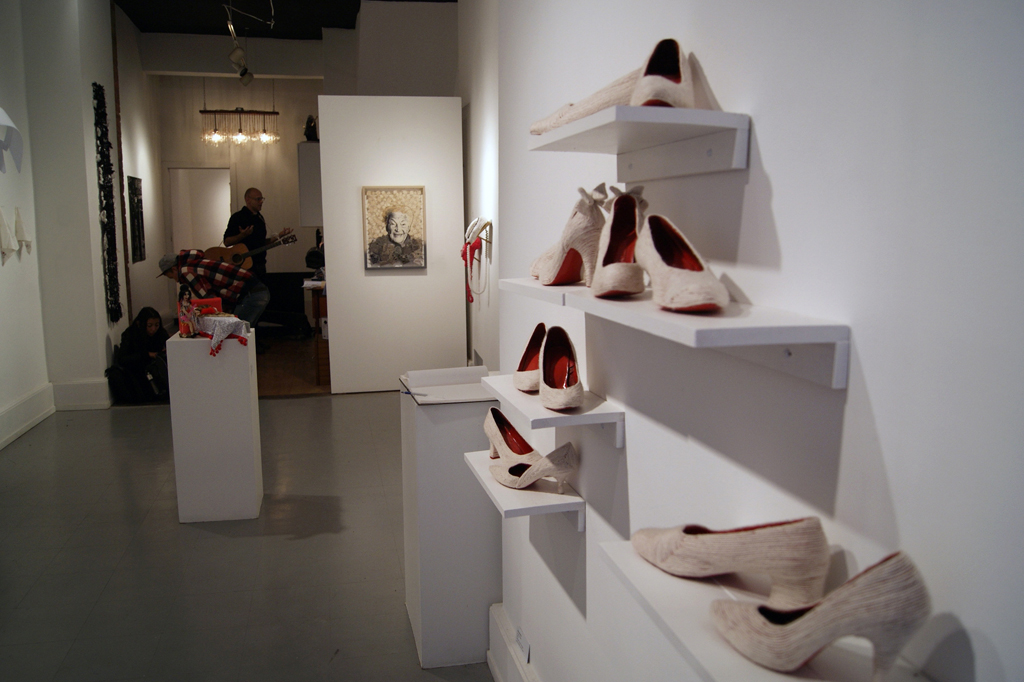
Asun Sanchez
Mairena del Aljarafe, Seville, Spain
Curator
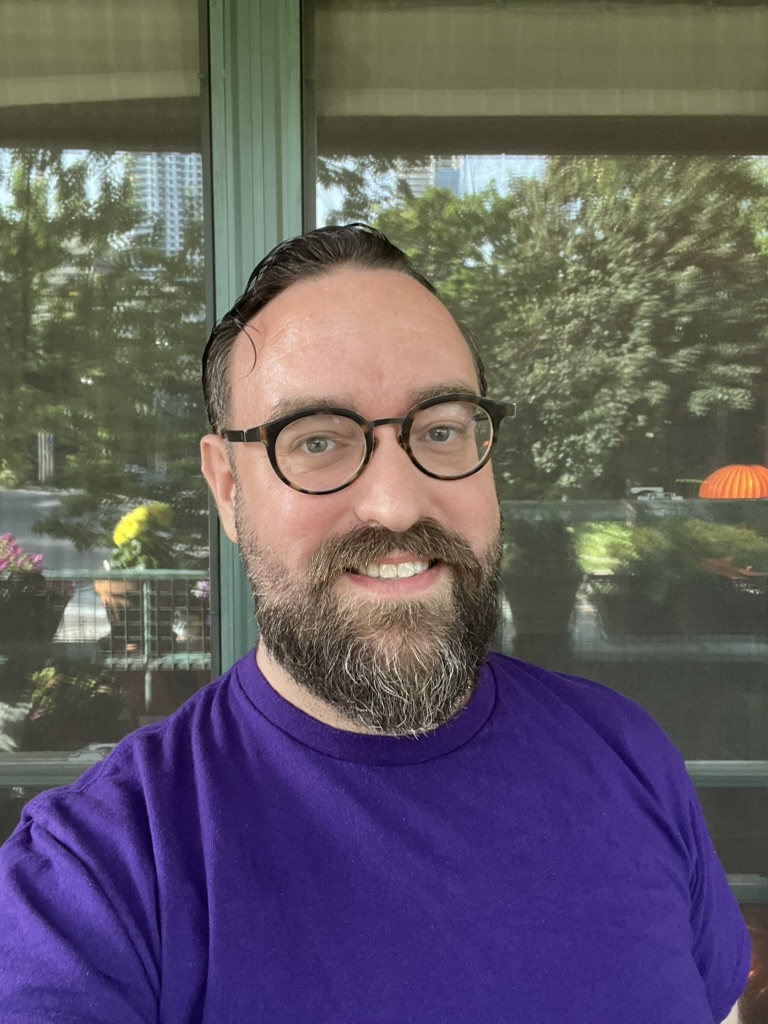
- Canada: Ontario: Toronto: Evan Tyler
Artists
- Canada: British Columbia: Vancouver: Britta Fluevog, Kaija Rautiainen. Ontario: Mississauga: Pat Hertzberg,Oshawa: Emily Martin, Thornhill: Marianne Burlew, Toronto: Molly Grundy, Sharon Moodie. Nova Scotia: Halifax: Meghan Macdonald.
- Spain: Seville: Mairena del Aljarafe: Asun Sanchez.
- USA: California: San Francisco: Marie Bergstedt. Florida: Winter Park: Jennifer Hirschmann.
Marie Bergstedt
San Francisco, California, USA
Gallery
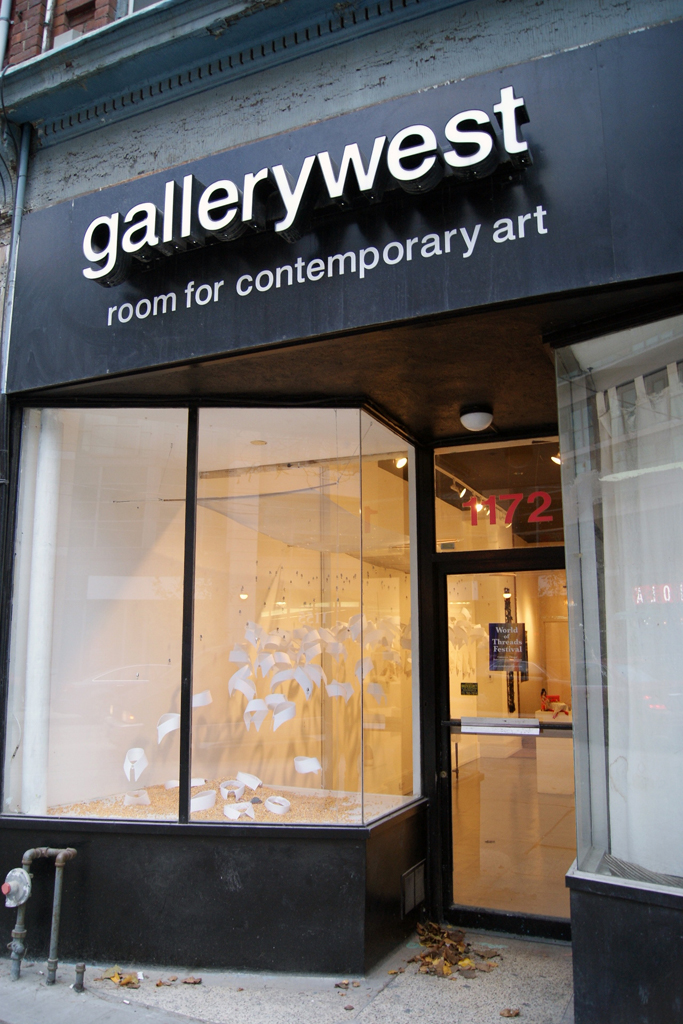
- gallery west
City
- Toronto, Ontario, Canada
Dates
- Nov. 9 - Dec. 1, 2012
Emily Martin
Oshawa, Ontario, Canada
What was the overall theme of your exhibition for the 2012 festival?
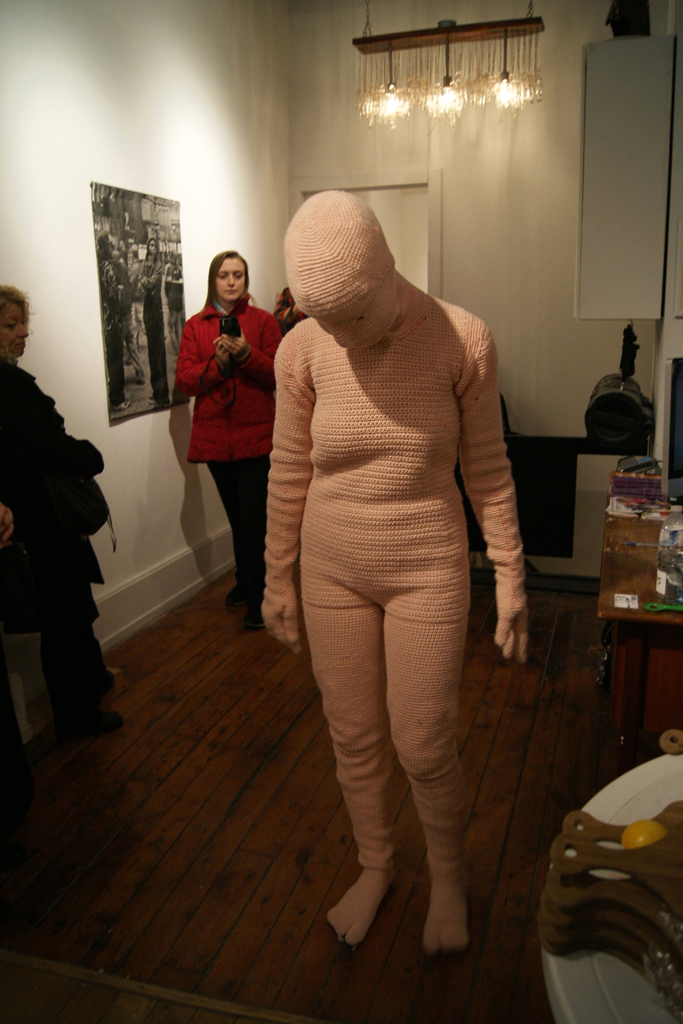
Evan Tyler: The overall theme was centered around the untimely death of Amy Winehouse, society transformation and subversion of icons. I began selecting works for an exhibition shortly after Amy Winehouse's tragic demise. Gossip, grief and opinions about Amy were consuming the media, which is the usual construct of what typically happens when an icon collapses. The exhibition I was working on was as much about the fragile line between confidence and vulnerability as it was about the humanization of Amy Winehouse.
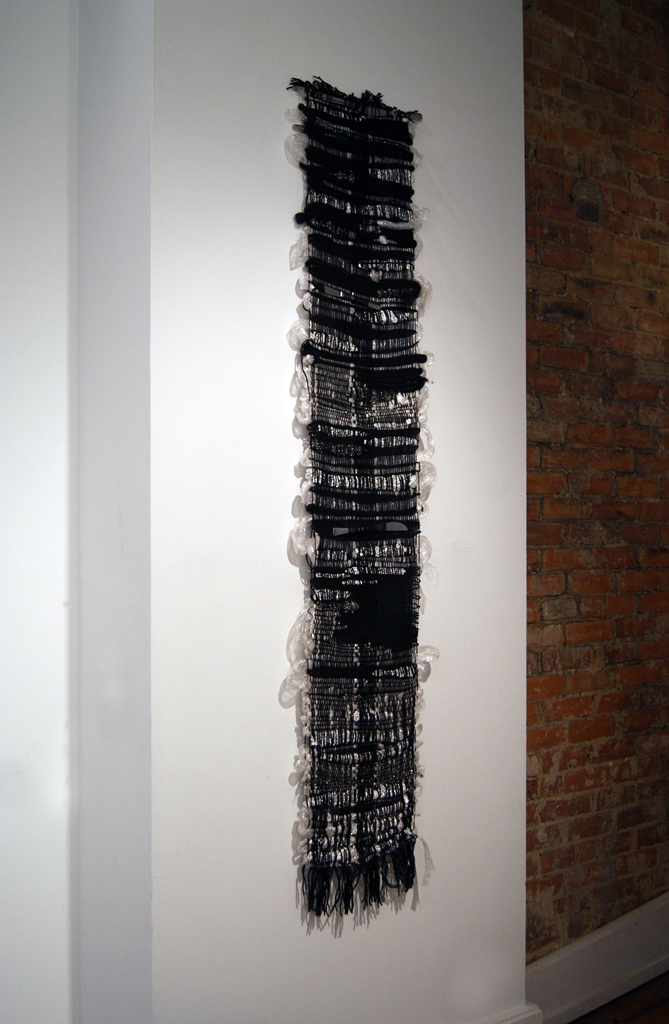
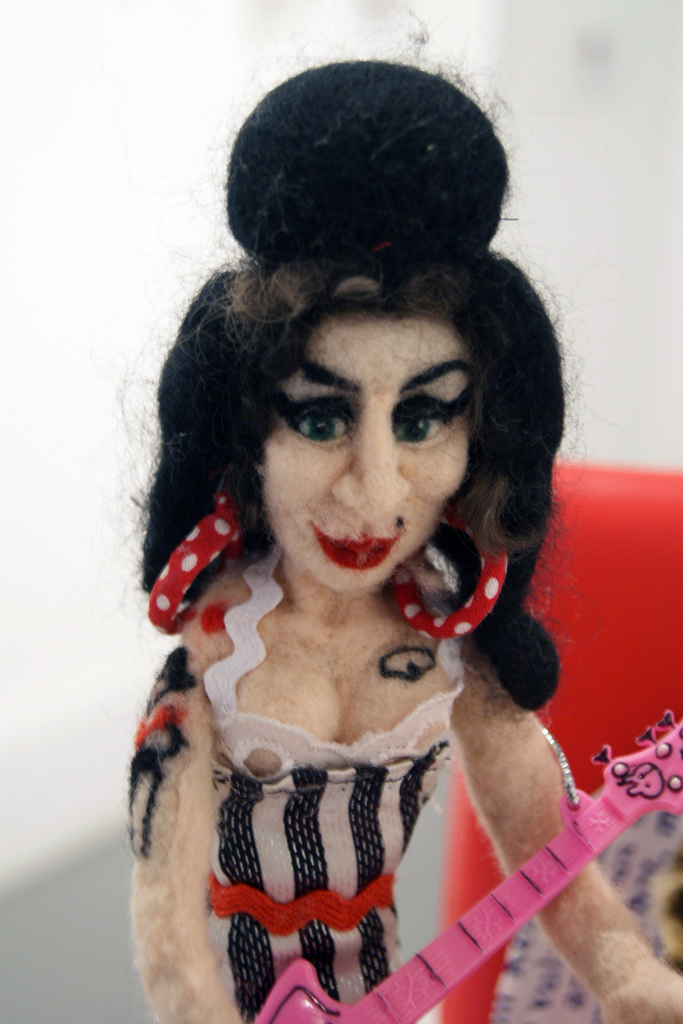
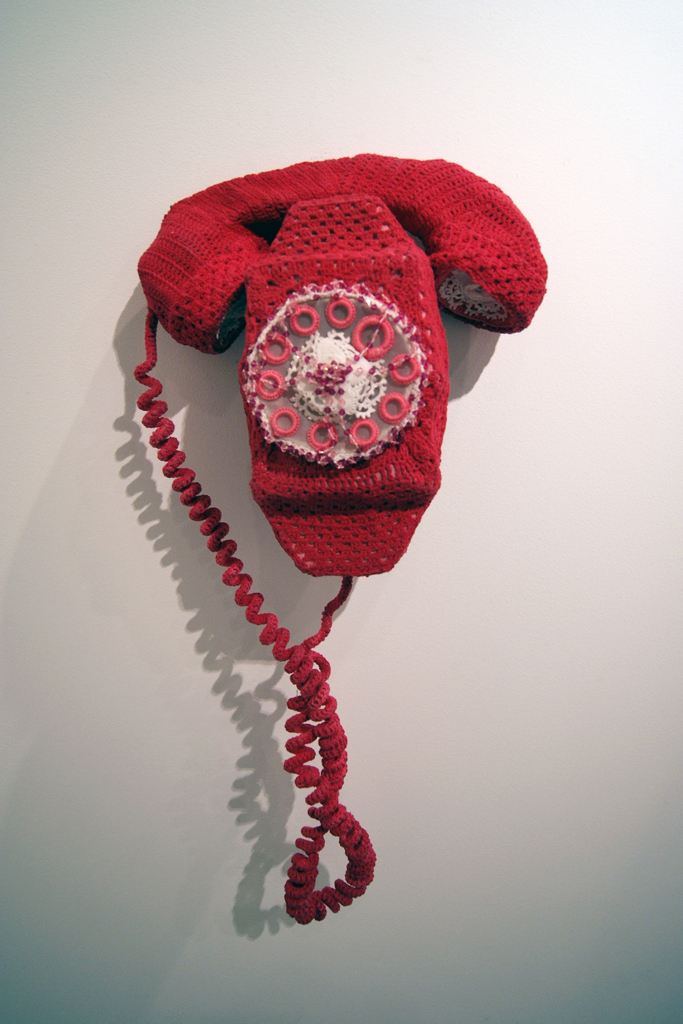
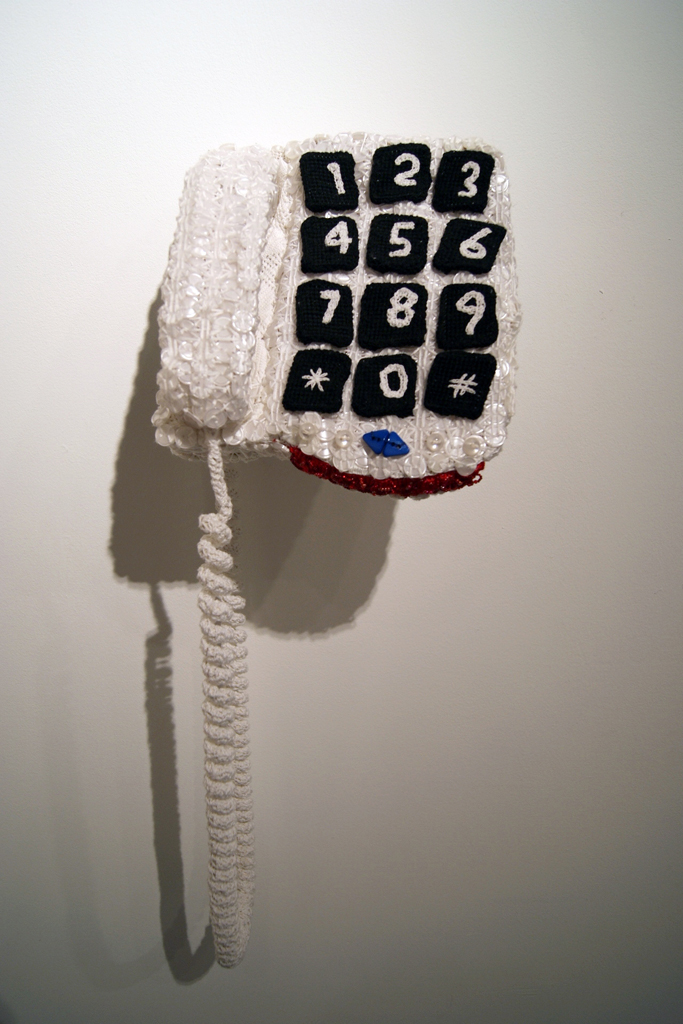
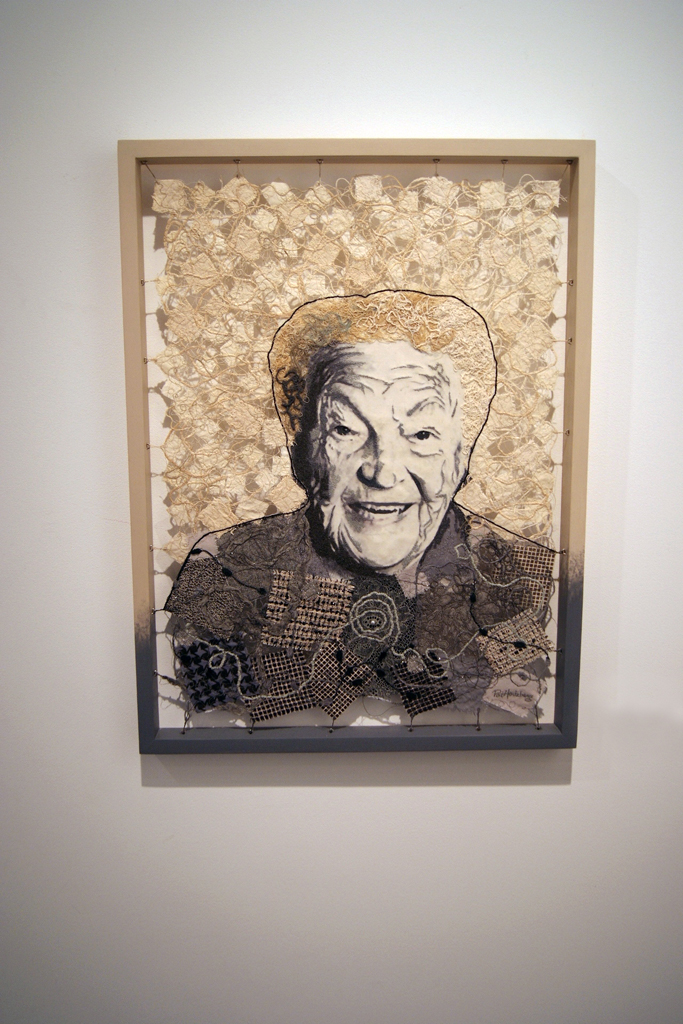
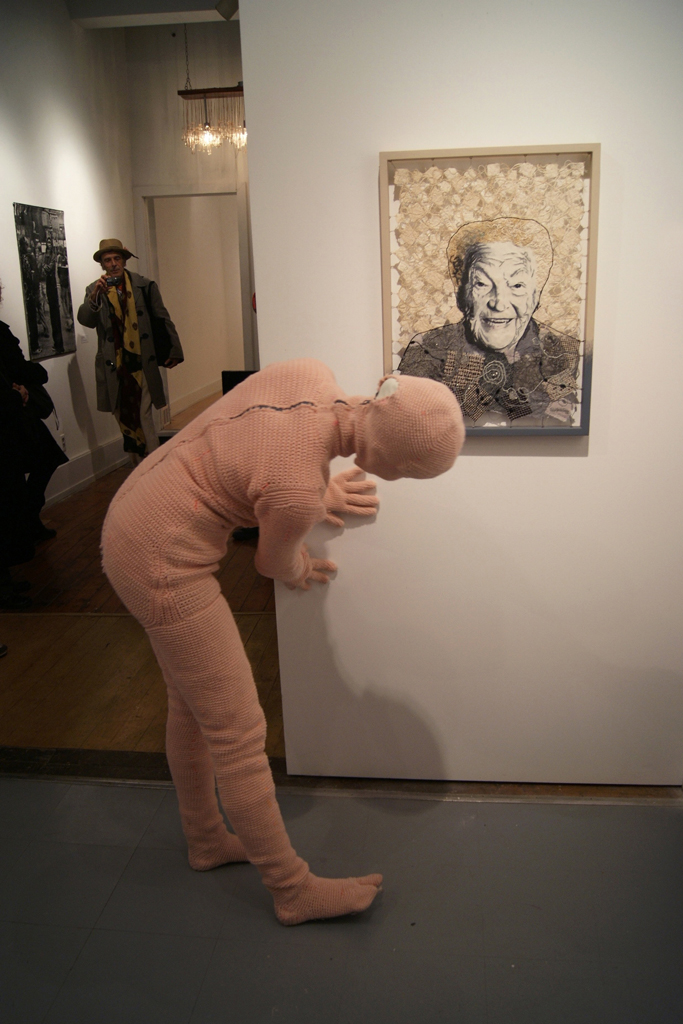
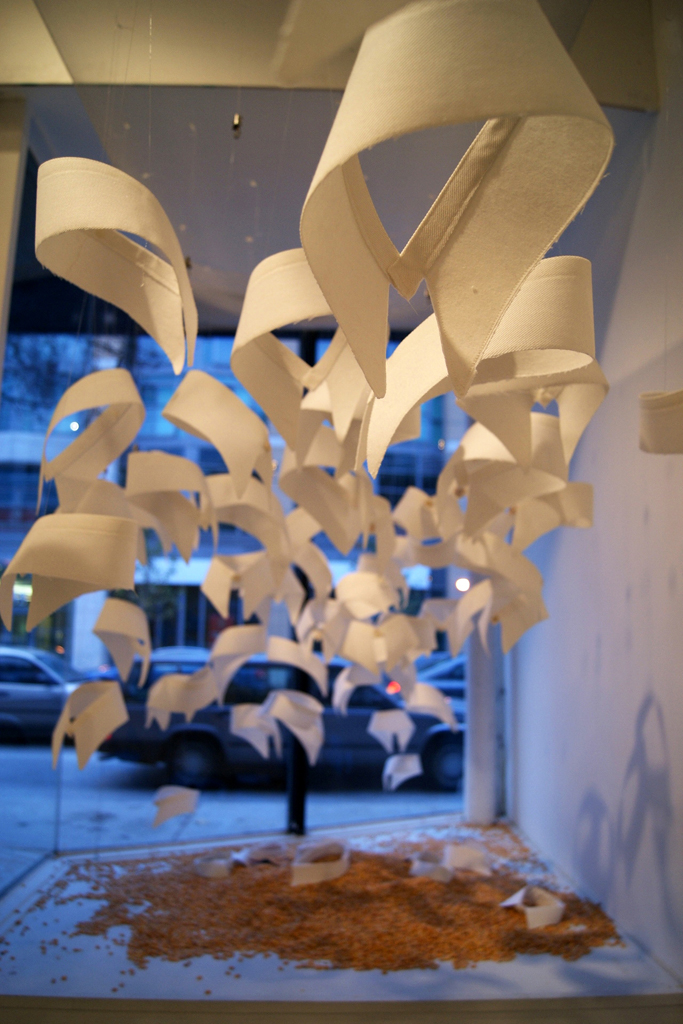
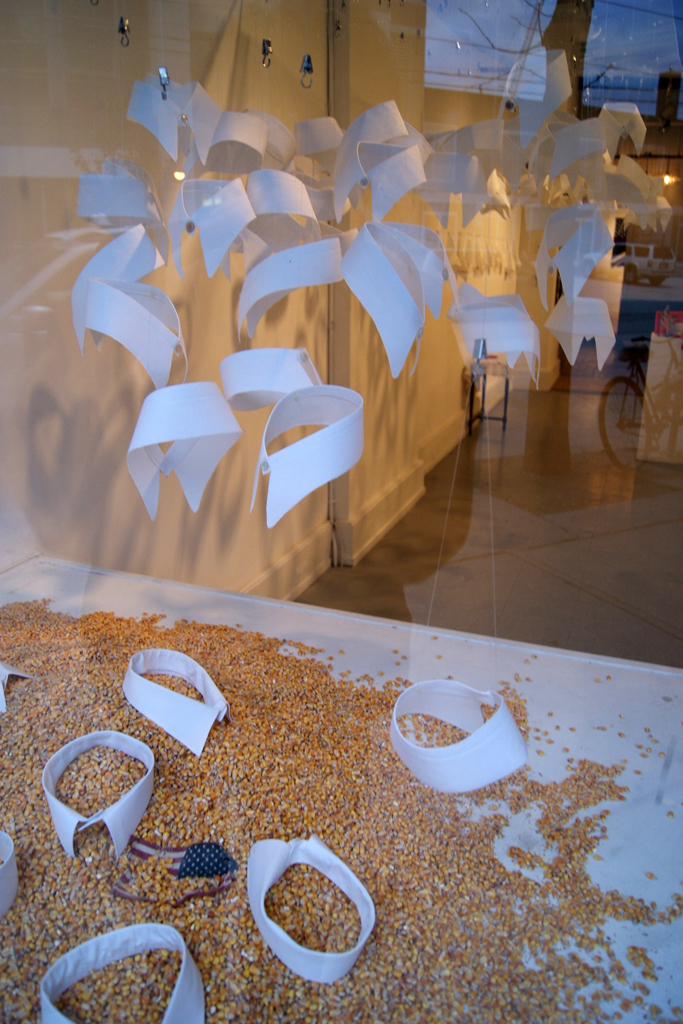
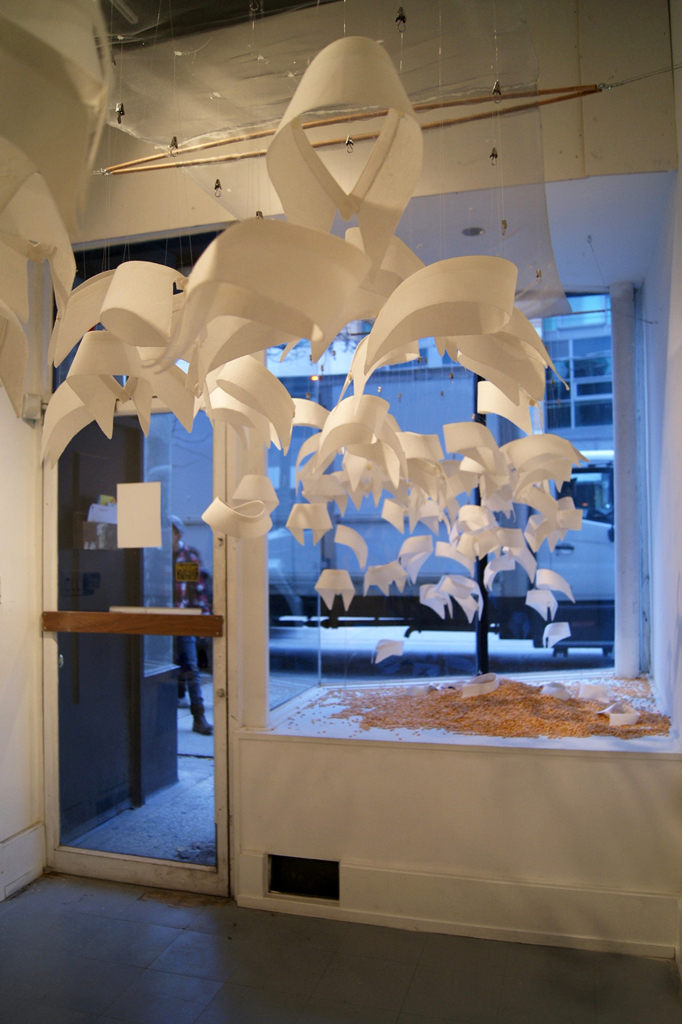
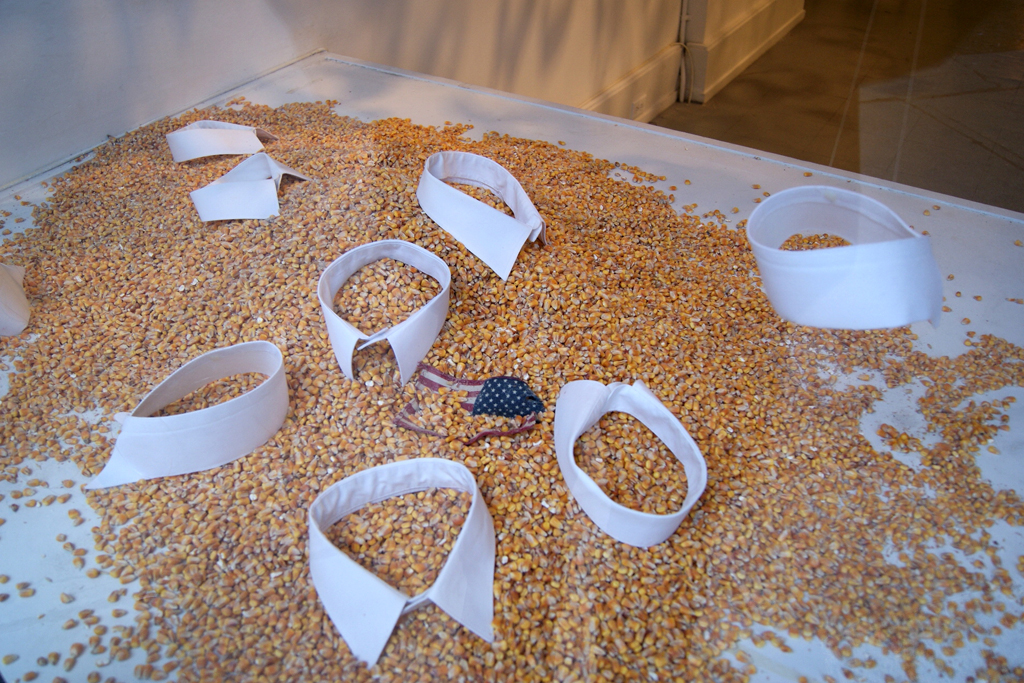
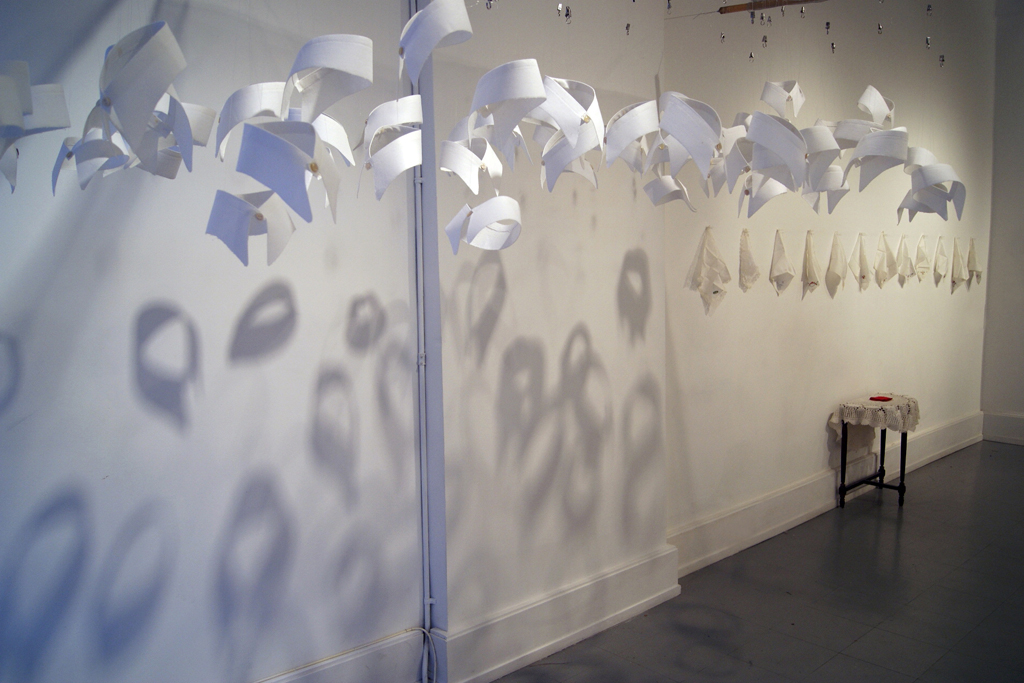
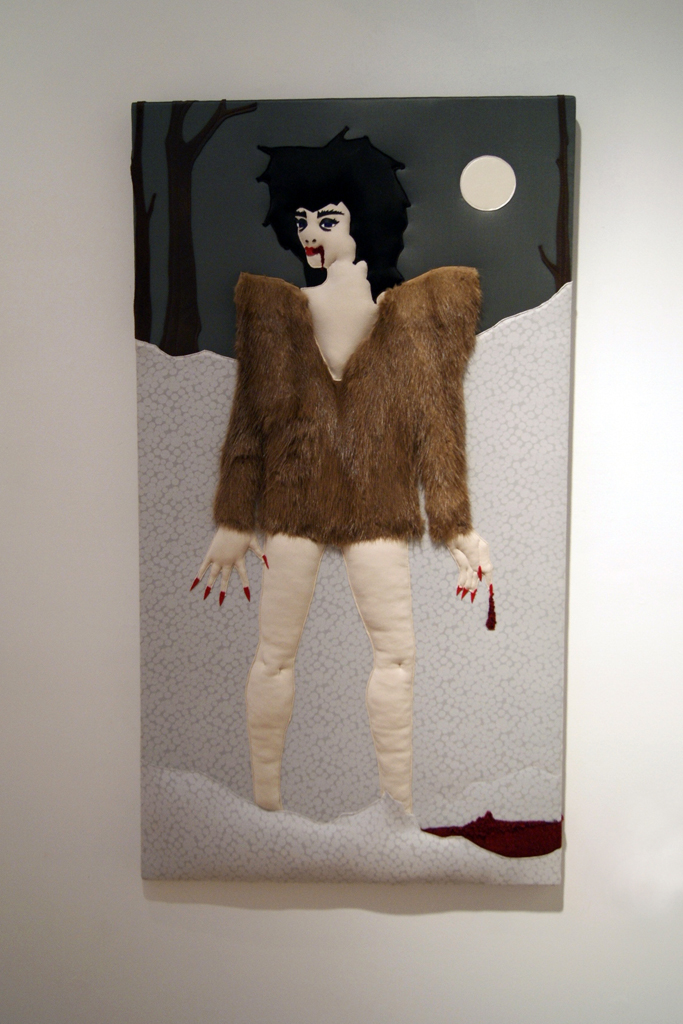
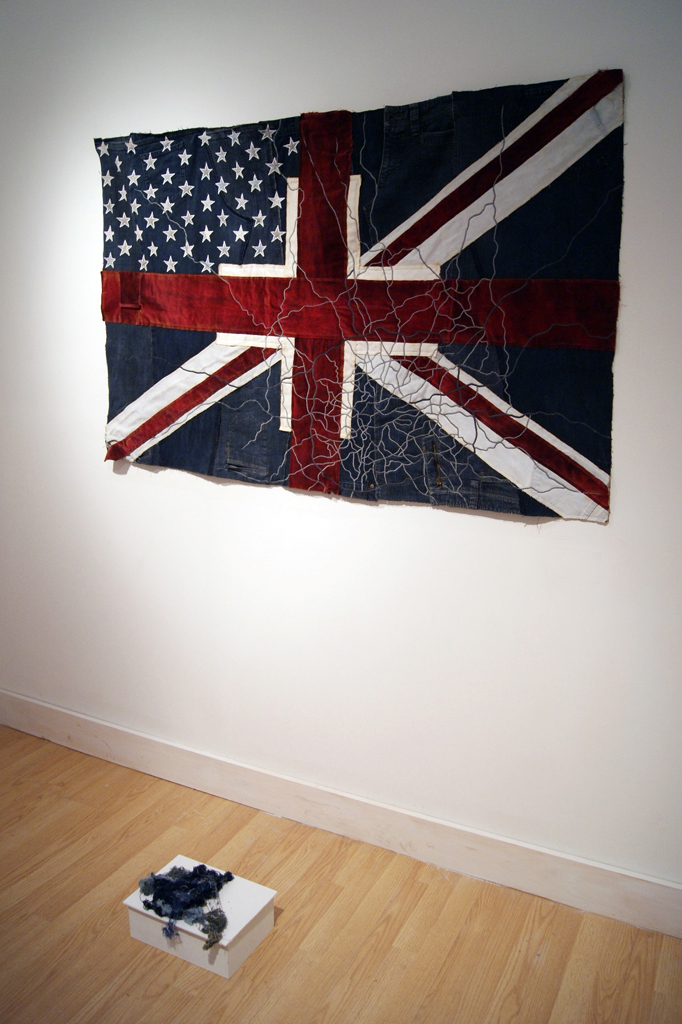
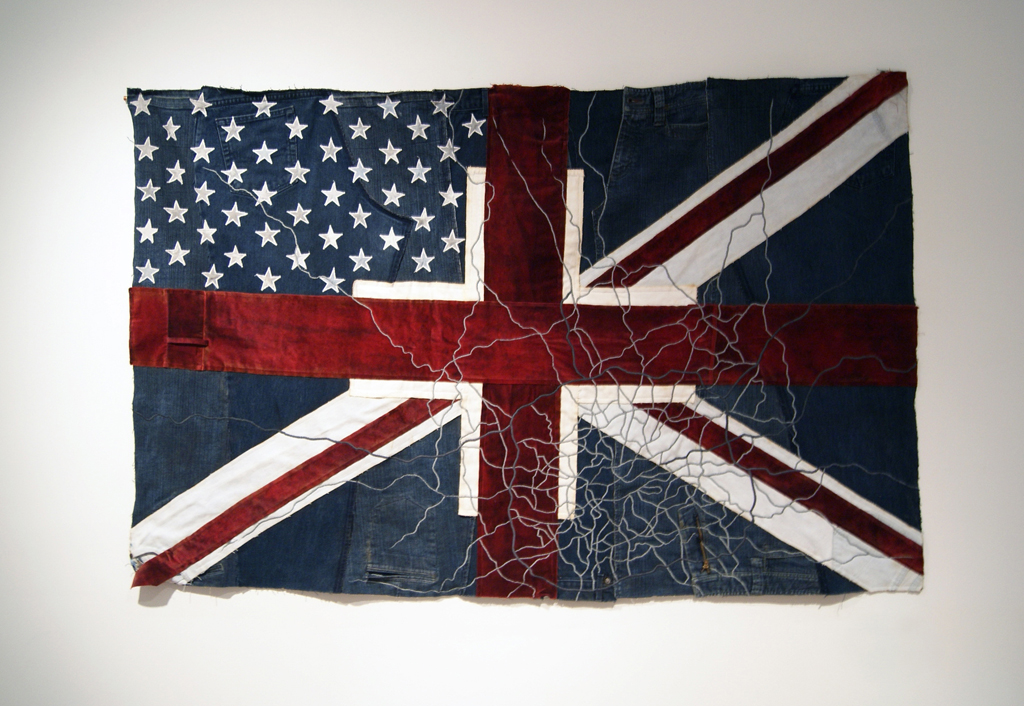
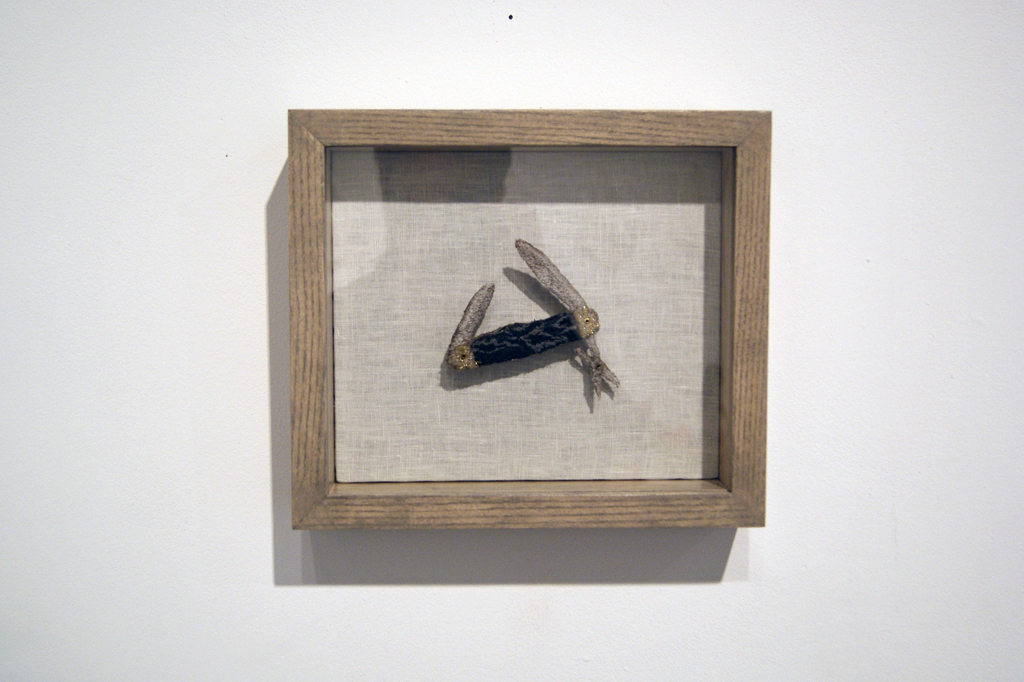
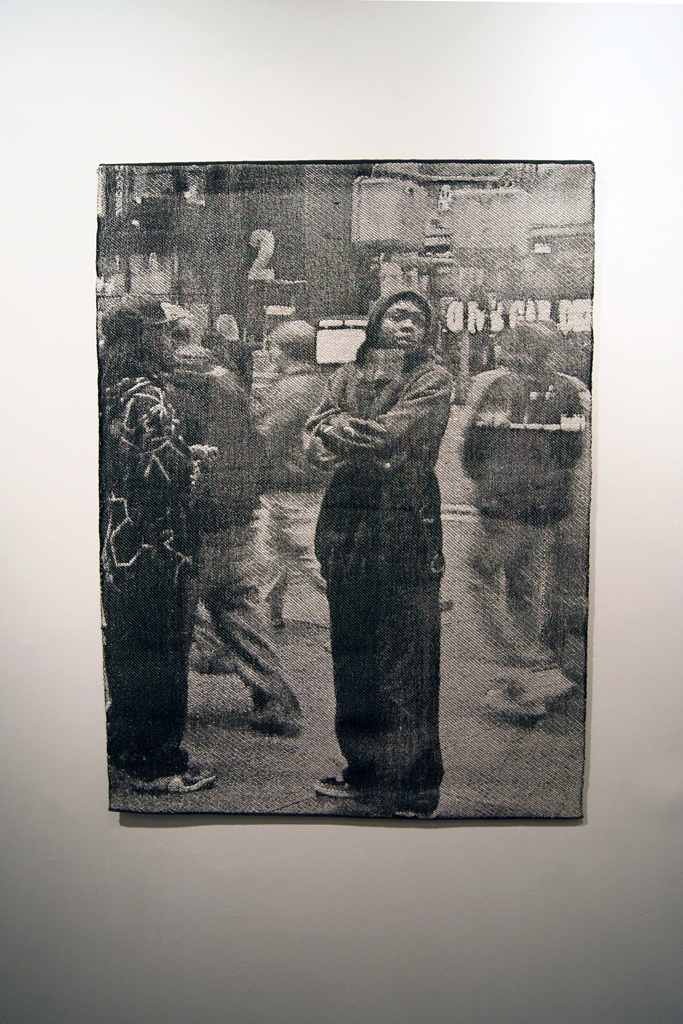
The works I selected dealt literally and metaphorically with human endeavour and pop culture. Various fibre works were selected that included telephones used to transfer information, suit collars representing corporate status, and a doll of Amy Winehouse herself, which presented the viewer with a malleable and poetic statement about modern life and cultural embodiment. My intent was not to ask the viewer where they were when Amy died and what her death meant to them, but rather to examine a more global idea of moments that pass and how technology facilitates the present expansion of pop culture and its associated icons.
Further, as the title, World of Threads Festival suggests that fibre is the crux of all exhibited works, what better foundation to build a platform that can explore the duality of the human condition: strength and weakness. Threads by its very nature bear both of these qualities. Although fibre may appear to be stable and indestructible, they hold in their fabric a fragility and the potential for weakness.
Pat Hertzberg
Mississauga, Ontario, Canada
How would you define curating and what is your philosophy or approach?
I think that curation is individually defined in the way that it is employed by different personalities and therefore is subjective. The job of curating art has expanded beyond the traditional understanding of "the keeper of a collection". We now live in a time within a visual culture where the curator's role is broadening beyond the standard duty of assembling and contextualizing art works. I am not sure I will give a universal definition of curation, but I can speak on my own approaches and strategies based on my own experience.
My approach in curating art shows has fostered two key components for myself and the exhibiting artists: idea and response
I have rarely sought out specific art works that function conceptually under an umbrella idea, although I have taken that approach as well in the past. Typically I begin with a fascination of an idea or person, such as "trophies", "plants and machines", "Amy Winehouse", as a jumping off point. From this point, I begin having conversations with artists whom I believe could respond to such an idea or fascination with fresh and interesting artworks. I find that there is a certain level of commitment, excitement and creative juices that begin to flow with this process, and where the artists themselves feel that they are on the frontier of a state-of-the-art creative organism. I do not consider myself a purist in this approach, however, but I have found a great deal of satisfaction and success with it.
I discovered that while engaged in the process of curating art works for the World of Threads Festival, that it was a rewarding experience. I think a good curator finds innovative and creative ways to present the subject matter, push the artists and their craft, as well as challenge the audience. I am excited to experience how curating progresses and shifts over time. I would like to continue to be part of this transition.
Marianne Burlew
Thornhill, Ontario, Canada
Of the pieces you selected, are there any that particularly portray the theme of the exhibit?
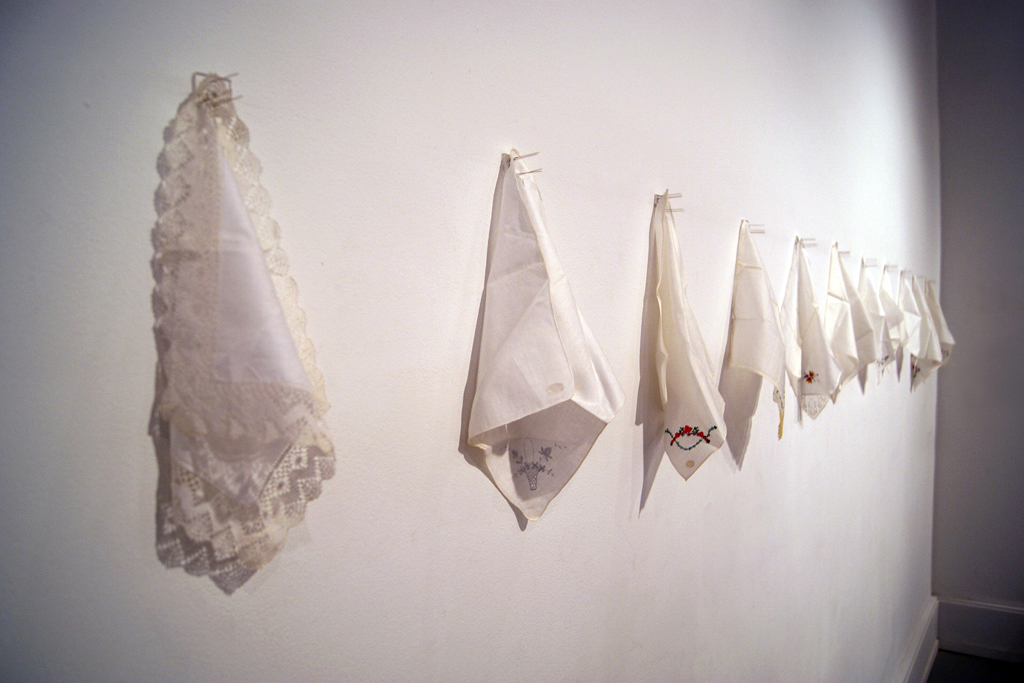
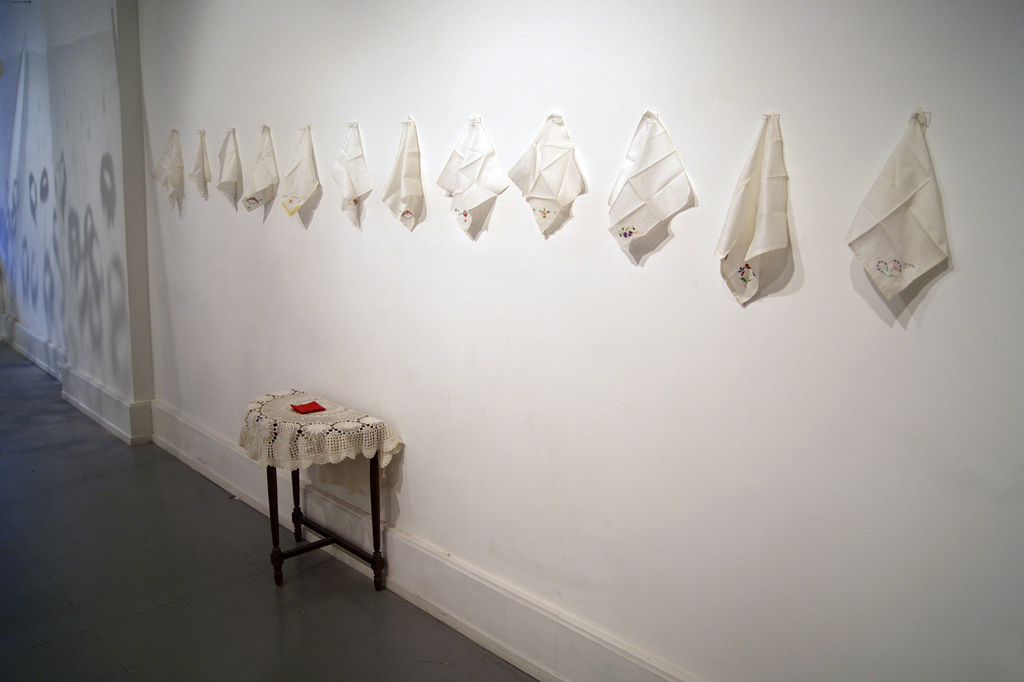
Evan: I would like to speak about one work that best articulated the show, perhaps even more than the doll of Amy Winehouse. The work I'm referencing was Emily Martin's Handkerchief installation. The viewer was faced with a horizontal row of evenly hung vintage embroidered handkerchiefs pinned to the wall with barely visible razor sharp pins. The collision of comfort, convenience and danger encapsulated the energy of the exhibition.
Sharron Moodie
Toronto, Ontario, Canada
How did you select the artists/work, the process you worked through and what factors went into your decisions?
Evan: The pieces that were selected dealt with the theme of co-existence of strength and weakness, power and powerlessness, as well as pop culture and fantasy. I essentially searched for objects with a certain level of visual duality, juxtaposition or had some relation to pop culture. I also began to think about the icon as "alien life form", and so fantasy characters and entities began to catch my eye as well.
Molly Grundy
Toronto, Ontario, Canada
How did you come up with the title for the exhibition?
I think I just wanted an eye catcher, something that could easily be a movie title. I also wanted something that imposed a certain level of banal guilt on the audience. I guess it depends on how you say the title. The way I said it to myself was like... "Where were YOU when Amy Winehouse Died?" which made me feel as if there was something I could have done about it, which there wasn't. Depending on what words you emphasize in the title, it could take on different tones, which I liked.
Jennifer Hirschmann
Winter Park, Florida, USA
Meghan MacDonald
Halifax, Nova Scotia, Canada
Kaija Rautianinen
Vancouver, British Columbia, Canada
Britta Fluevog
Vancouver, British Columbia, Canada