World of Threads Festival
Memento mori
2012 Exhibition: Artworks
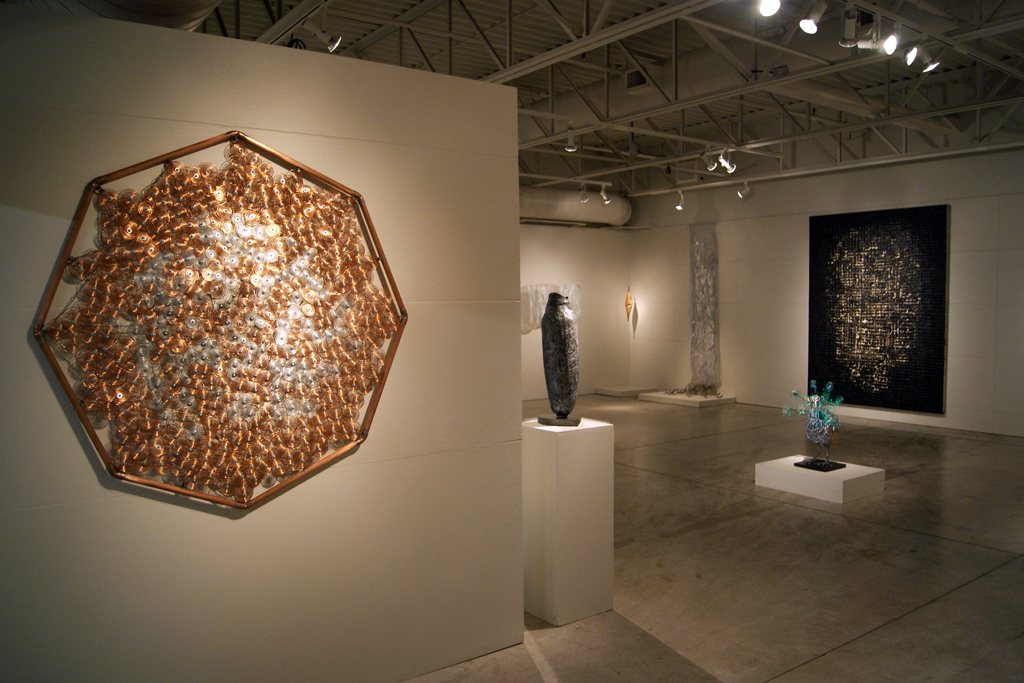
The major Festival exhibition Memento mori deals with themes of death, mortality and grief and the quest for immortality. The show developed out of a call for submissions called "Fibre Inspired". It was based on a trend Festival Curator, Gareth Bate, had observed in contemporary art towards creating work using the techniques and aesthetic of fibre, but using non-fibre materials. He was struck by how radically different these submissions were. They were really dark both physically and thematically. Why are these artists choosing to use fibre construction techniques, but replacing the fragility, impermanence and tactility of fibre materials with hard, 'permanent', and difficult to manipulate materials such as stone, bronze, metal, wood, bark, ceramic, plastic, wire, solid paint and wax? Mummification is a central theme. This process attempts to preserve and make immortal the ephemeral body. We invite you to descend into this underworld environment. The exhibition is set up in thematic opposition to the exhibition De rerum natura (On The Nature of Things).
Photography by Gareth Bate
Camilla Geary-Martin
Toronto, Ontario, Canada
Curator
- Canada: Ontario: Toronto: Gareth Bate
Artists
- Canada: Ontario: Barrie: Lisa Brunetta, Cambridge: Nancy Yule, Niagara-on-the-Lake: Wendyth Anderson Breedveld, Stratford: Wendy O'Brien, Toronto: Carrie Chisholm, Nicole Collins, David Cumming, Robert Davidovitz, Trish Delaney, Camilla Geary-Martin, Susan Lukachko, Mary McKenzie, Lilly Otasevic, Rochelle Rubinstein, Oakville: Ixchel Suarez. Saskatchewan: Moose Jaw: Anna Hergert.
- USA: North Carolina Raleigh: Megan Bostic.
Synchronistic Curating
Something that's different about World of Threads Festival is that we let the art guide us. Festival curators Gareth Bate and Dawne Rudman don't have predetermined curatorial ideas or impose our concepts on the artists. Each new festival is a blank slate. Shows develop entirely out of the submissions we receive.
To find our main exhibitions we look for connections and common themes between thousands of artworks. These works were made by hundreds of artists from around the world. Often artists seem to be on the same wavelength during a particular period. Over time, through many hours of sorting through artworks, the exhibition themes just emerge and become clear to us. This method has been very successful and resulted in compelling and unique exhibitions.
Working your way through the exhibition, can you speak about the artist's work and how they fit within your show?
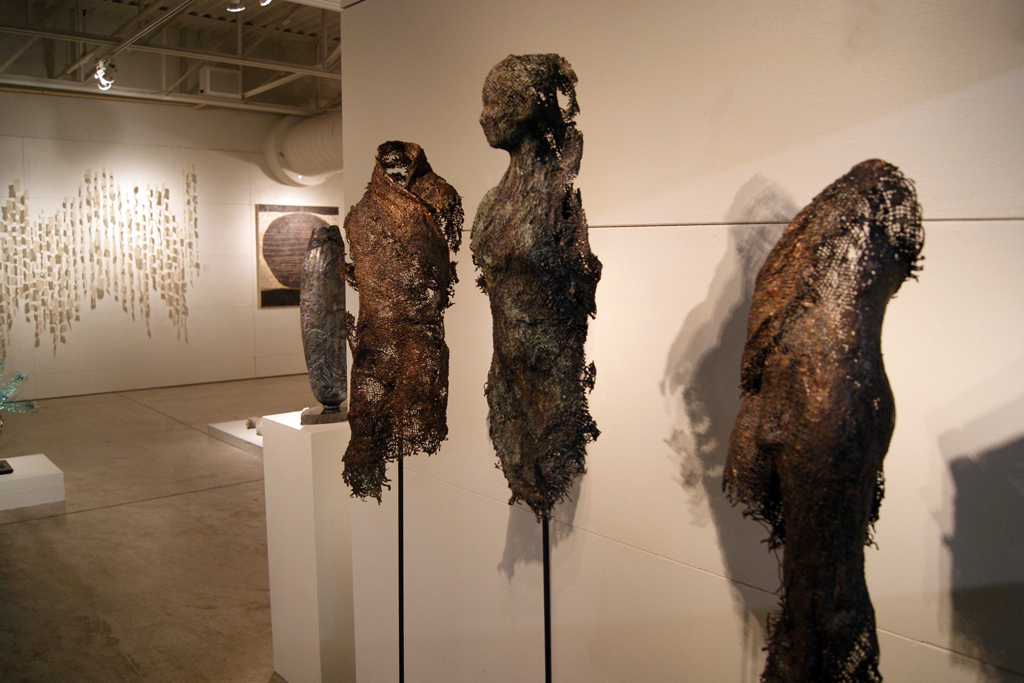
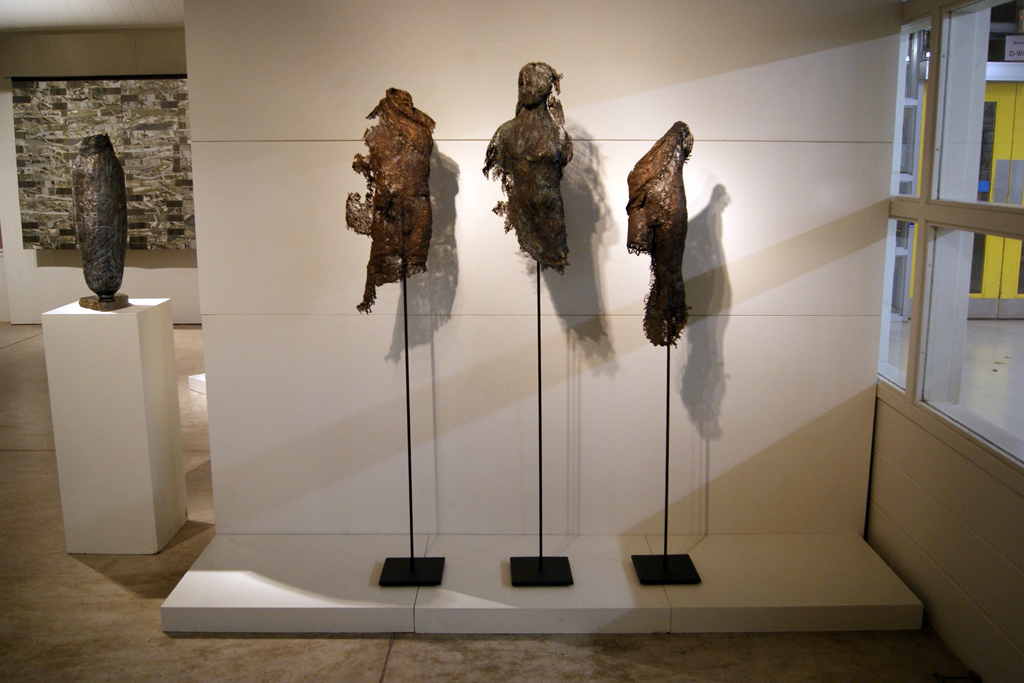
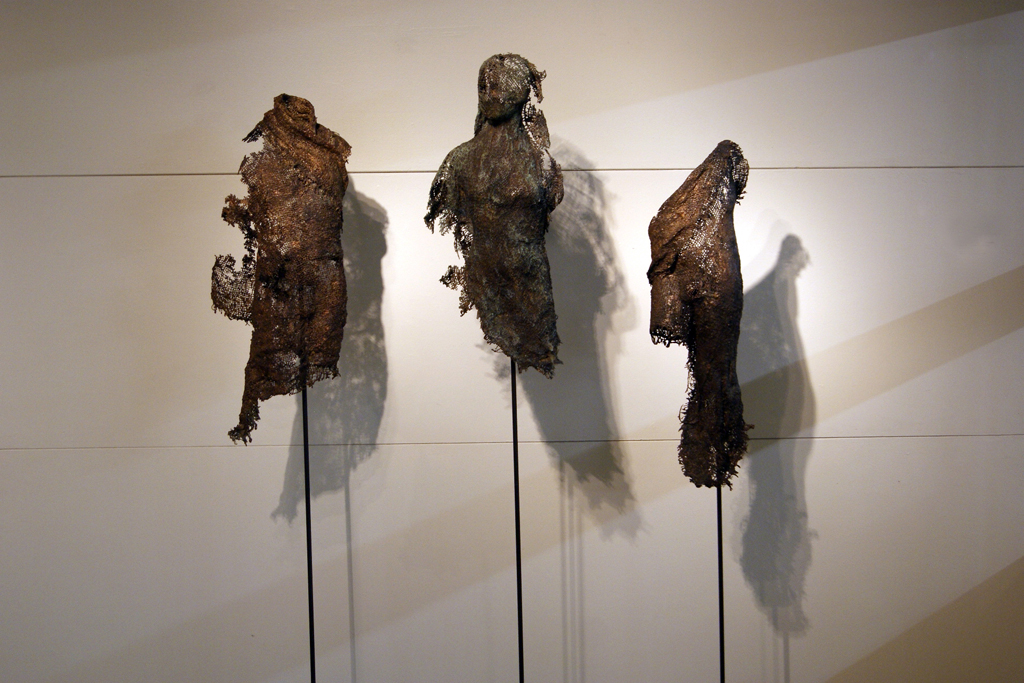
Gareth Bate: When you first entered the space you encountered Camilla Geary-Martin's Shrouds #12, #28 and #8. These figurative works at first appear to be made of burlap but are in fact bronze. This was the first work to establish the mummification theme.
Nicole Collins
Toronto, Ontario, Canada
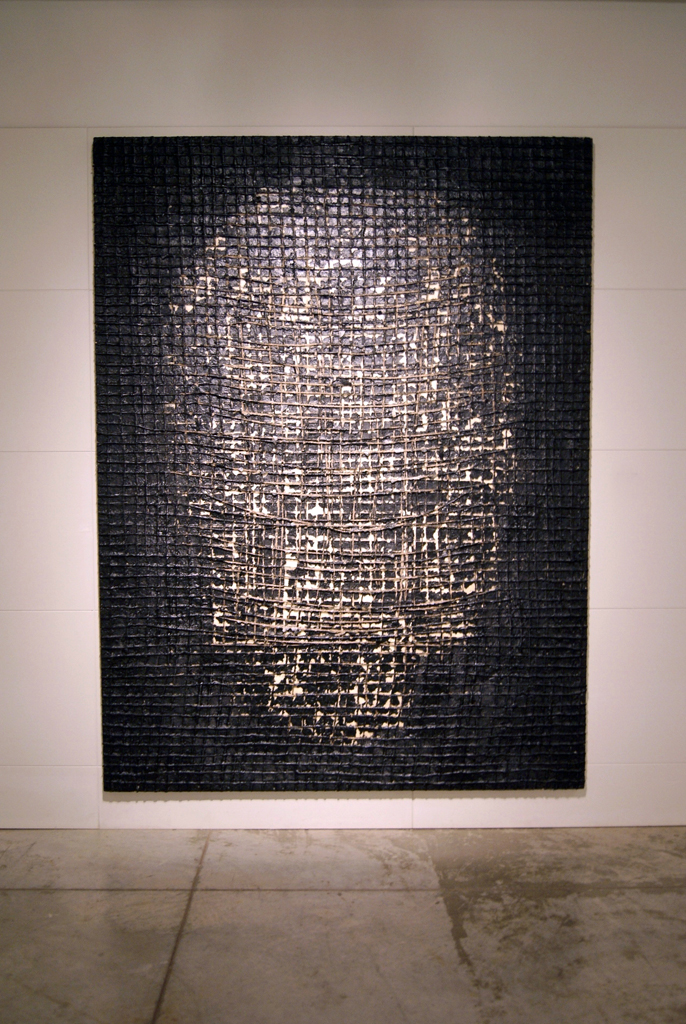
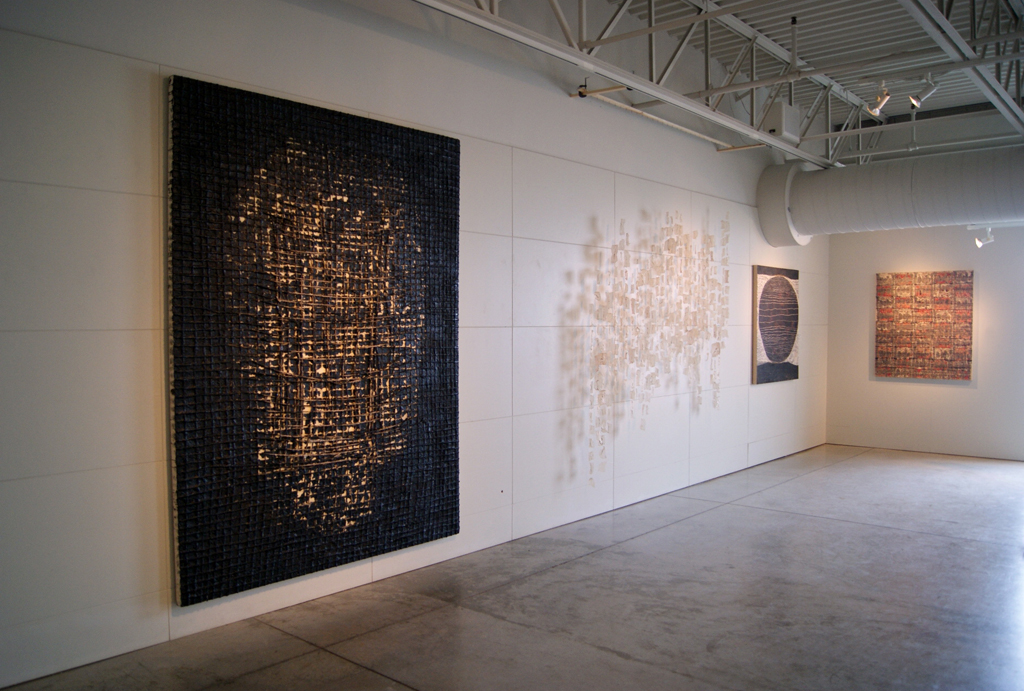
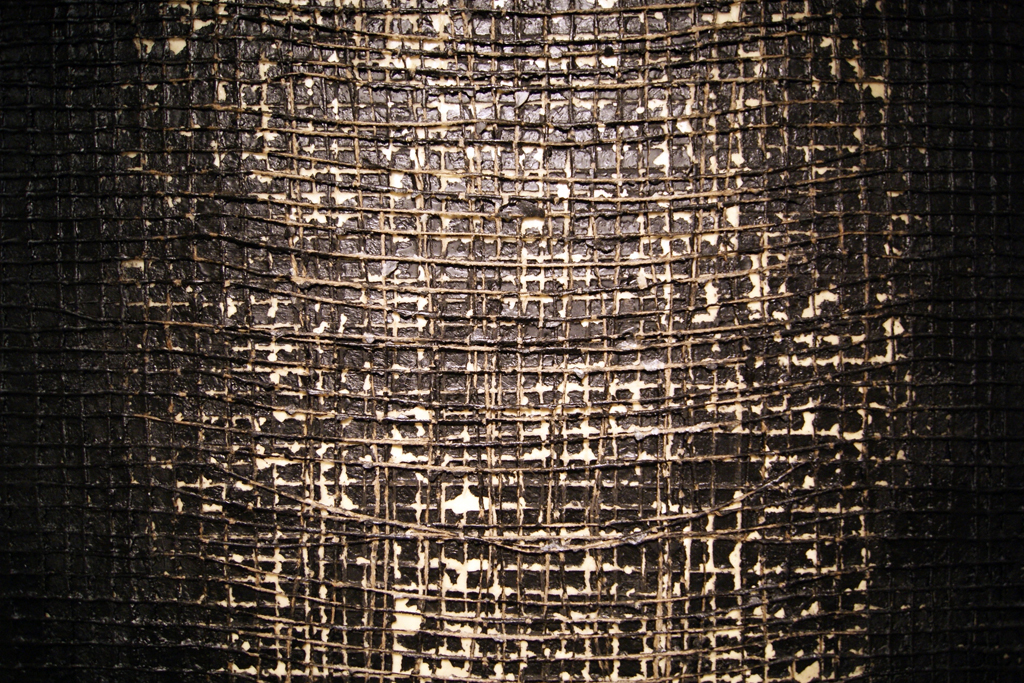
Gareth Bate: The most dominant piece in the show was clearly Cohobate by Nicole Collins. This large encaustic, jute and twine painting contained an indistinct form of a skull. It made a very strong impression. I've long sensed a grieving and sadness in Nicole's paintings that is quite moving. Nicole was invited into the show. I went to see this painting in her studio and loved it. Incredibly, I didn't even see that it contained an image of a scull! This was a total surprise that I discovered only when I had installed the painting. When I saw the painting in the studio it was in a narrow space, so I couldn't step back. I love this kind of synchronistic accident. It was meant to be.
Lisa Brunetta
Barrie, Ontario, Canada
Gallery
- The Gallery at Sheridan Institute
City
- Oakville, Ontario, Canada
Dates
- Nov. 2 - Nov. 18, 2012
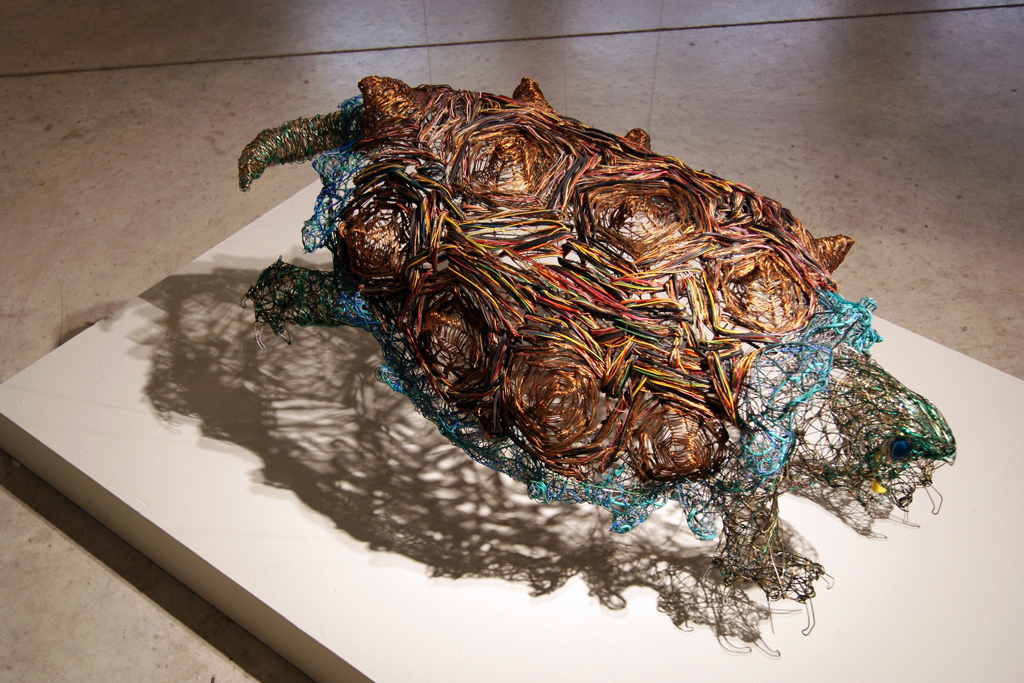
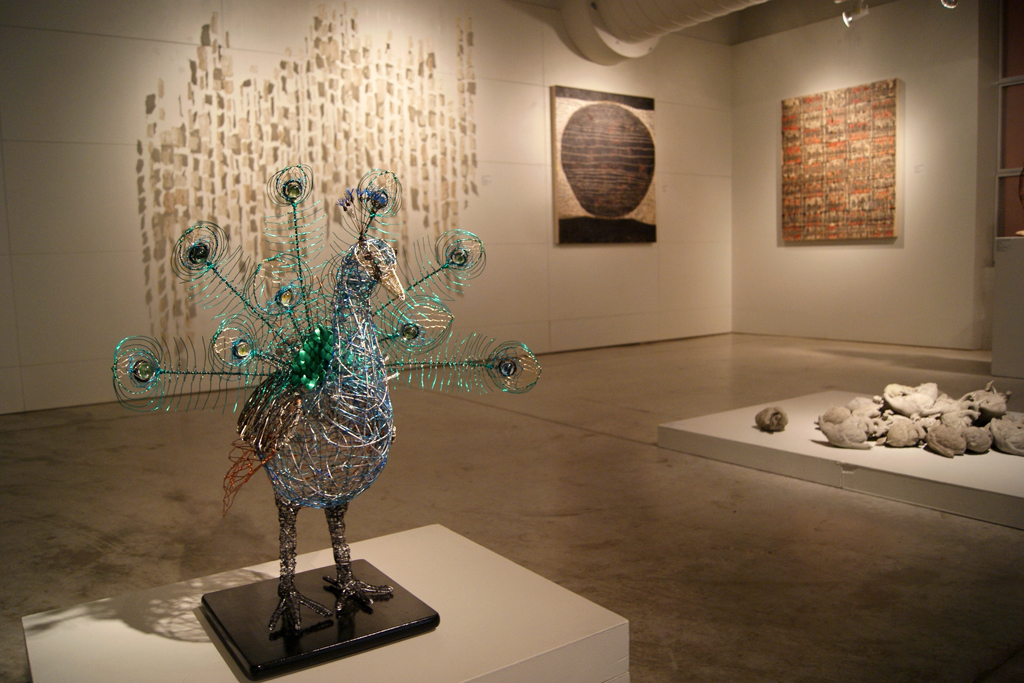
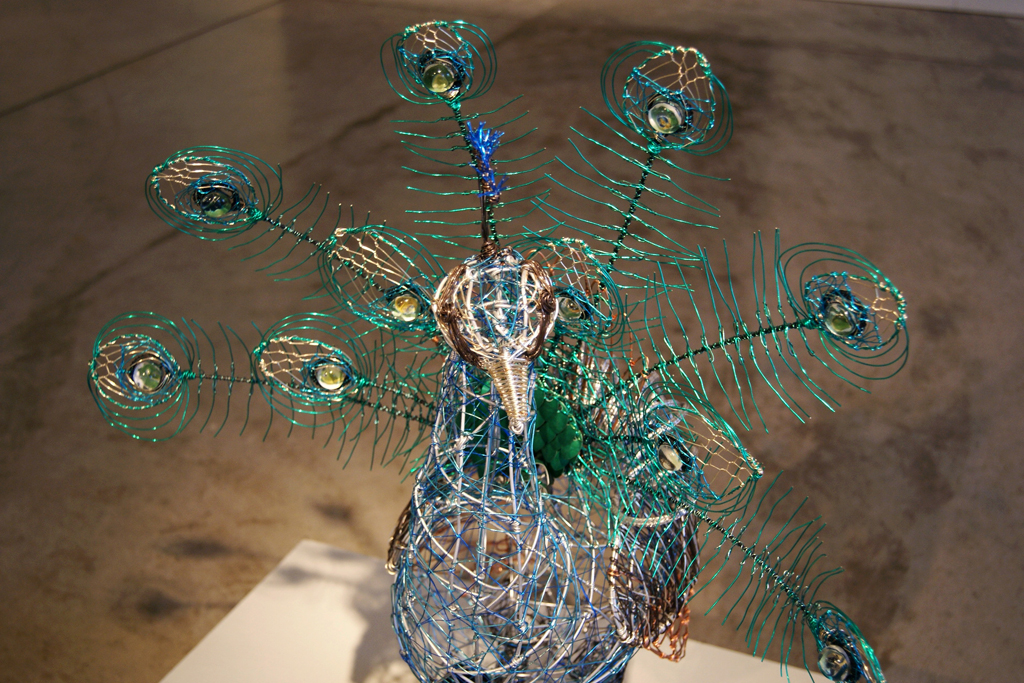
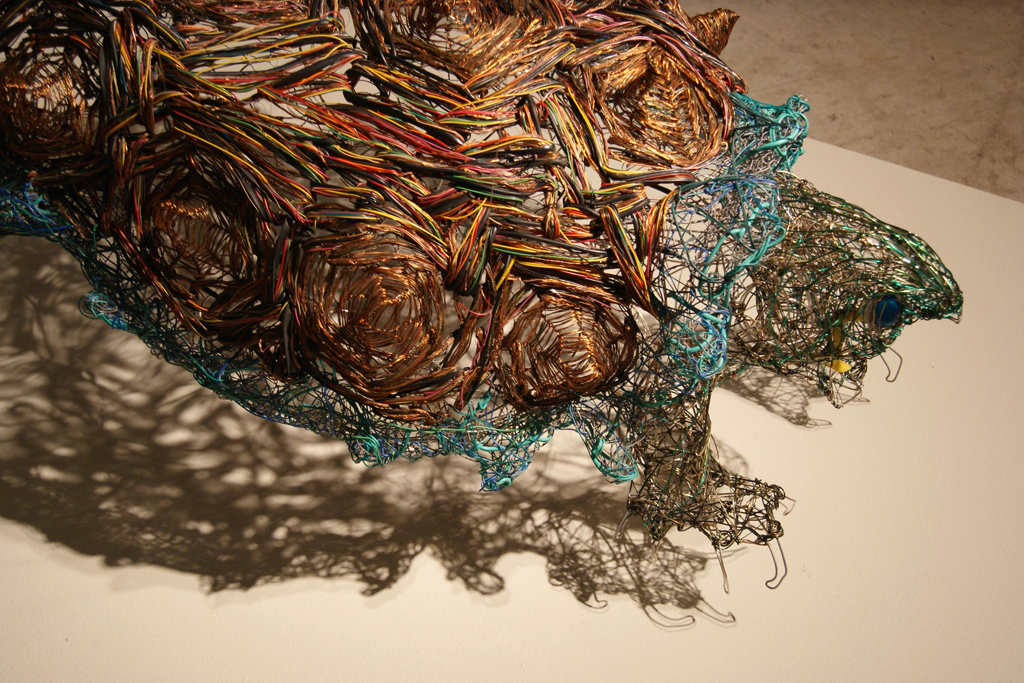
Gareth Bate: As I mentioned before, every underworld needs an escape. I felt that having such a dark themed show needed some kind of release at the end. This was embodied by two works. The first was Lisa Brunetta's The Fisher. Turtles are traditionally a symbol of immortality because they were thought to never die. The same goes for her Peacock. In Christian symbolism the peacock represents immortality because it was thought that its flesh never decayed.
Wendy O'Brien
Stratford, Ontario, Canada
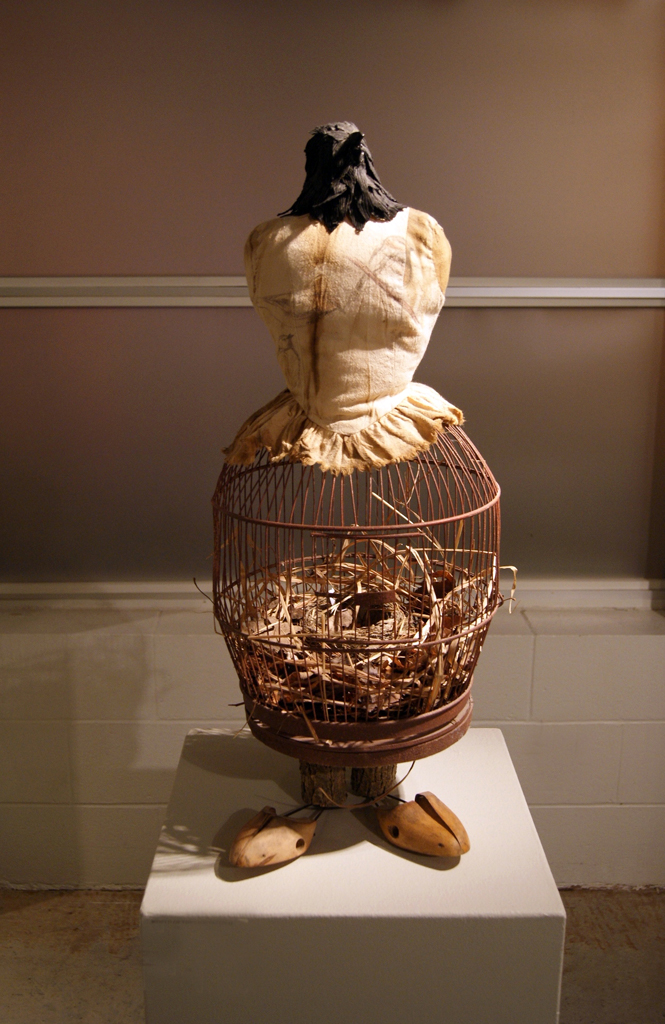
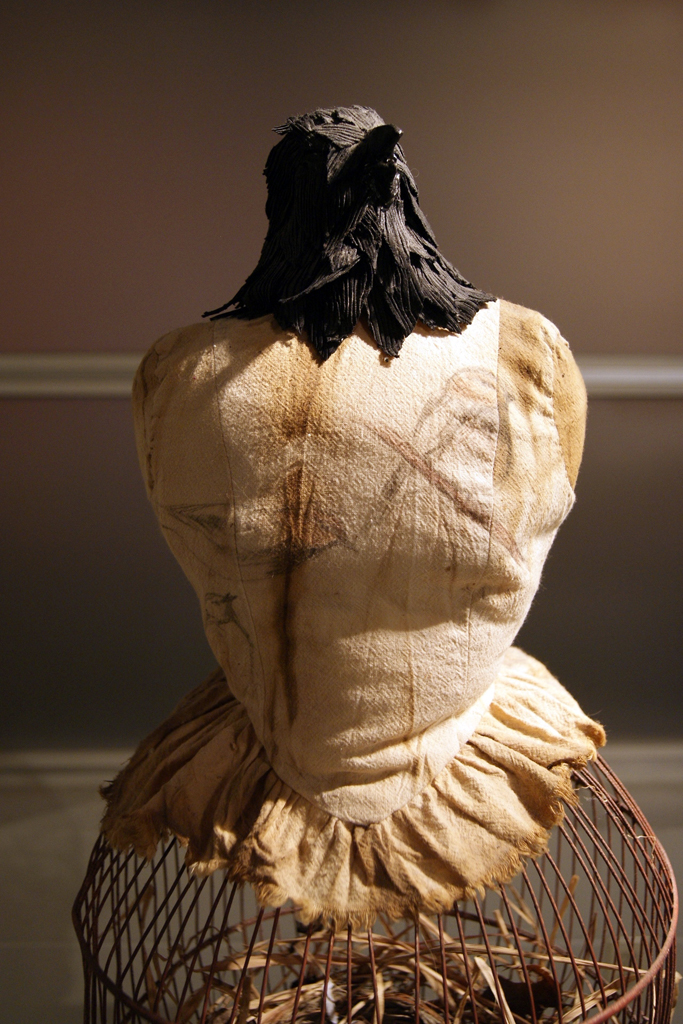
Gareth Bate: I saw Wendy O'Brien's Sentinel and Guardian #2 as watching over the underworld. They are both beautiful pieces but they had a sinister aspect too. Like something you'd encounter on some level of Dante's Inferno.
Nancy Yule
Cambridge, Ontario, Canada
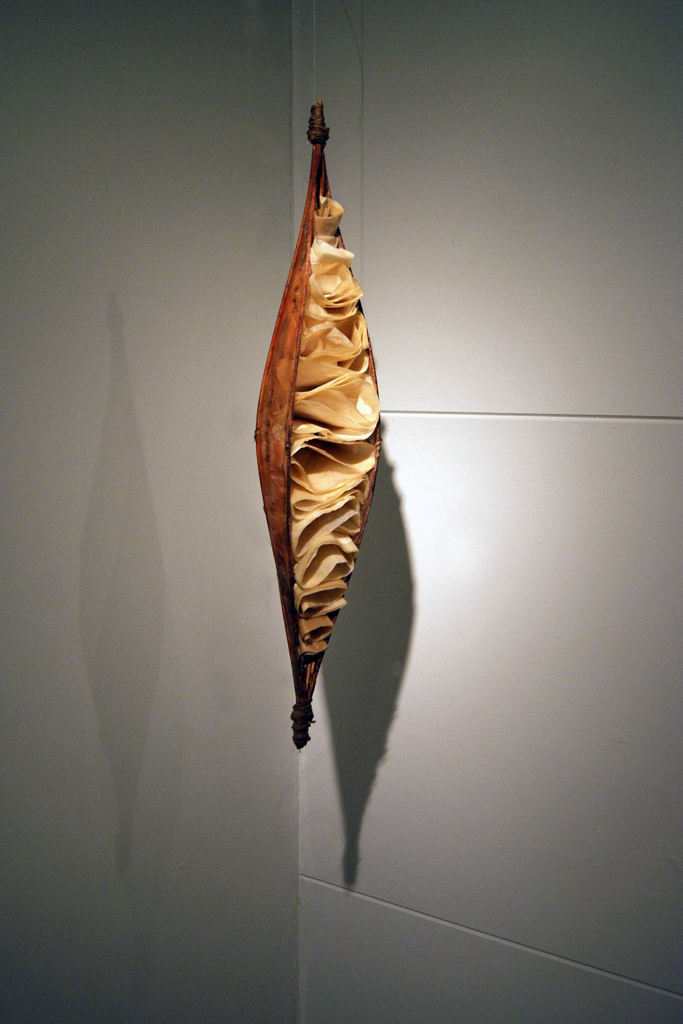
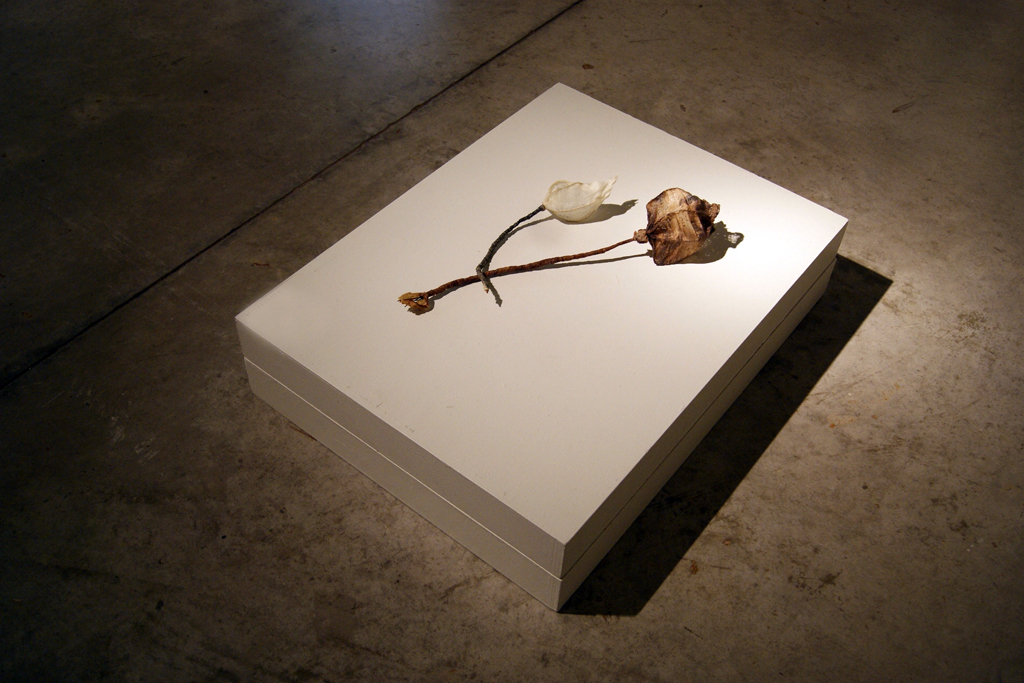
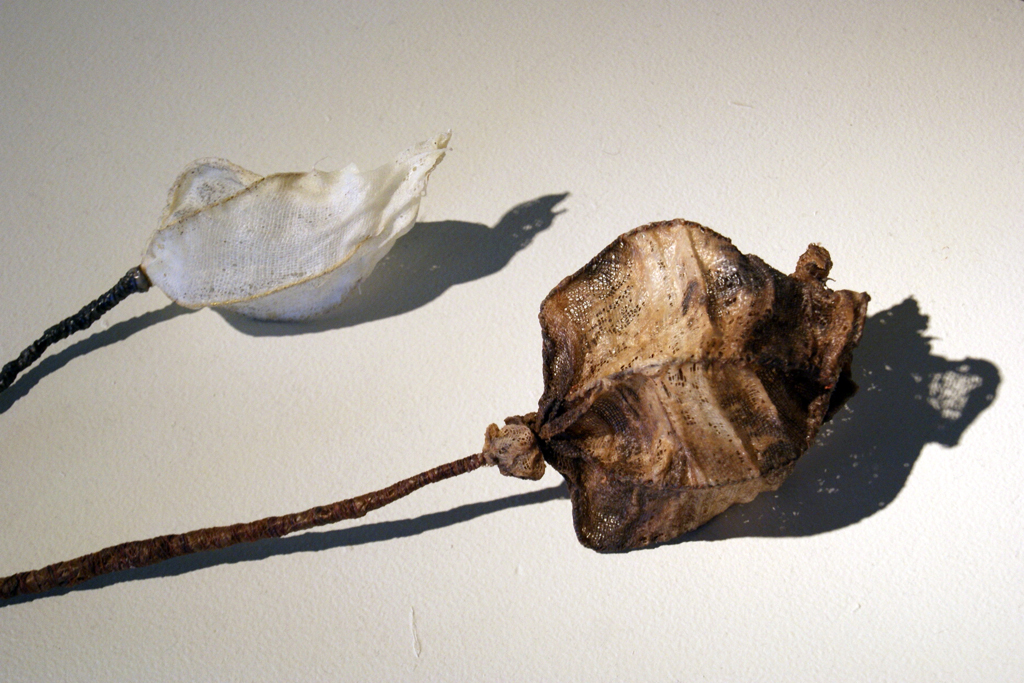
Gareth Bate: Skeletal Remains 1 and 2 by Nancy Yule were placed on the floor as an offering. These roses were made of wire, gauze and encaustic wax. Her piece Potential was like a seed breaking open. I wanted this one to be at the end of the show before you leave, but couldn't hang it there.
Rochelle Rubinstein
Toronto, Ontario, Canada
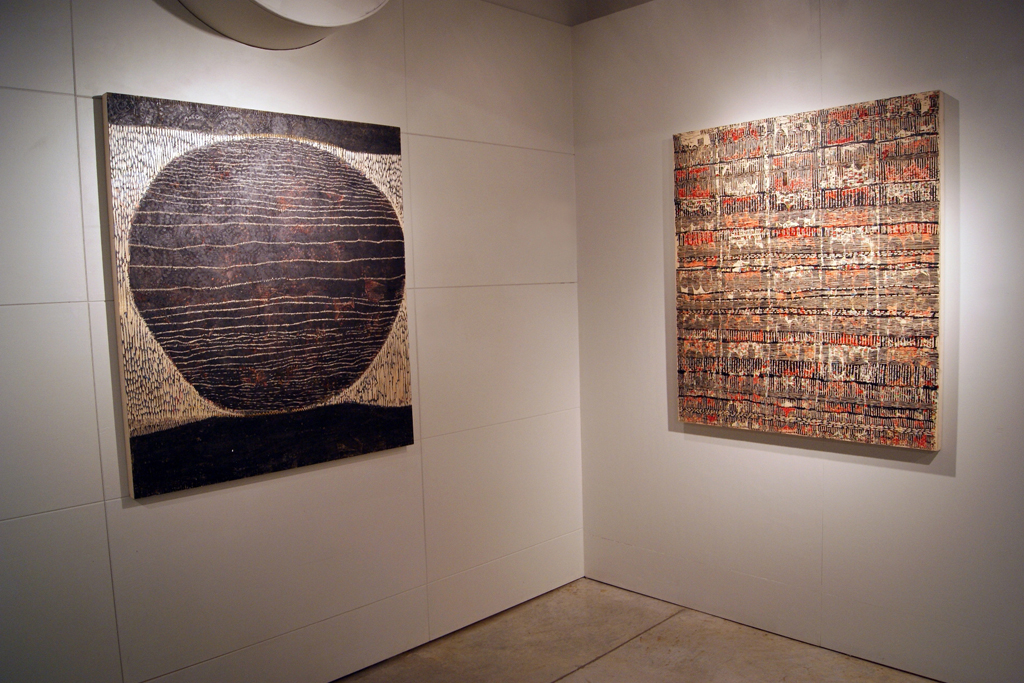
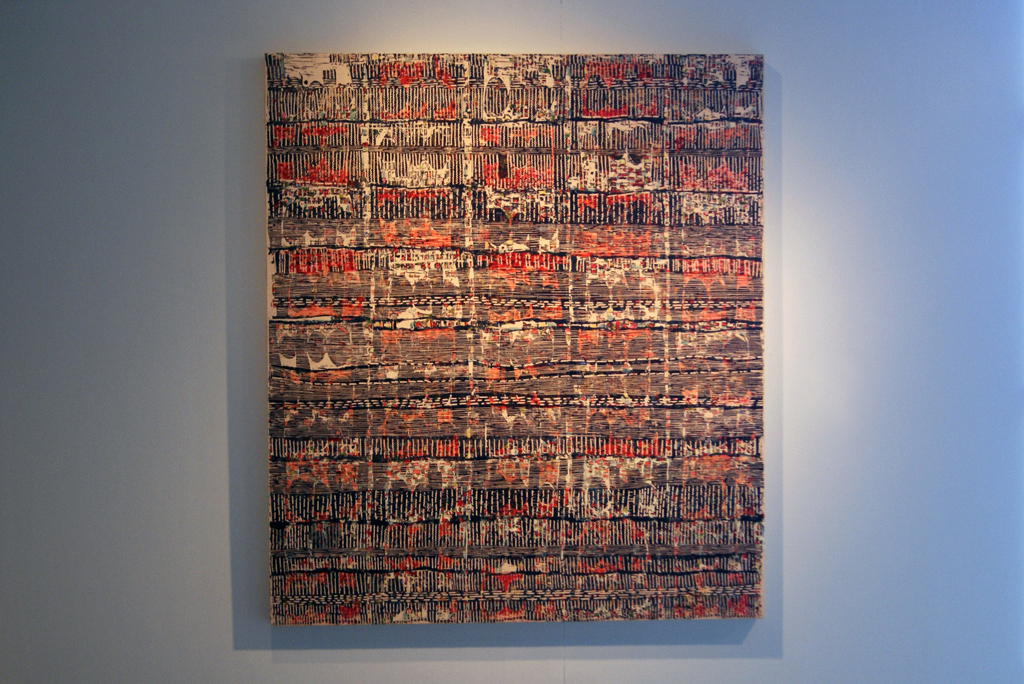
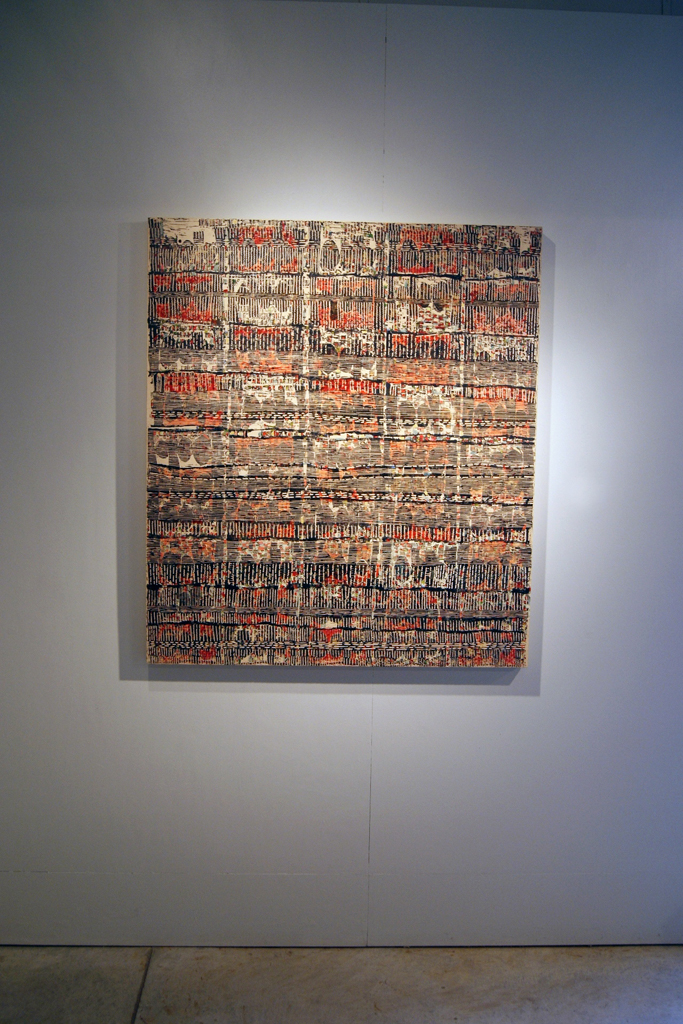
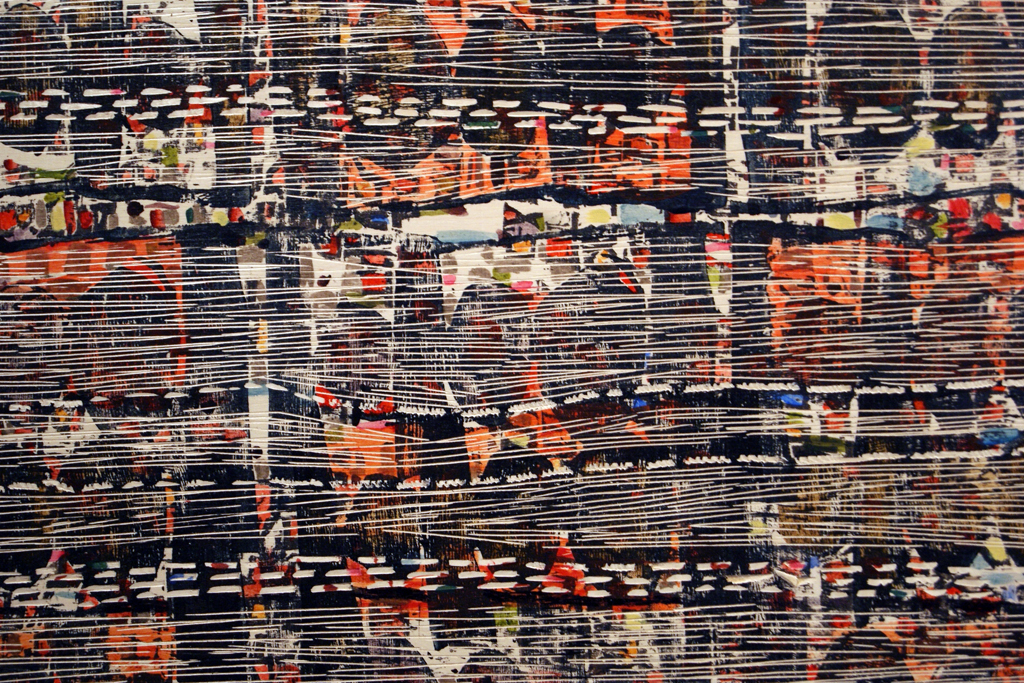
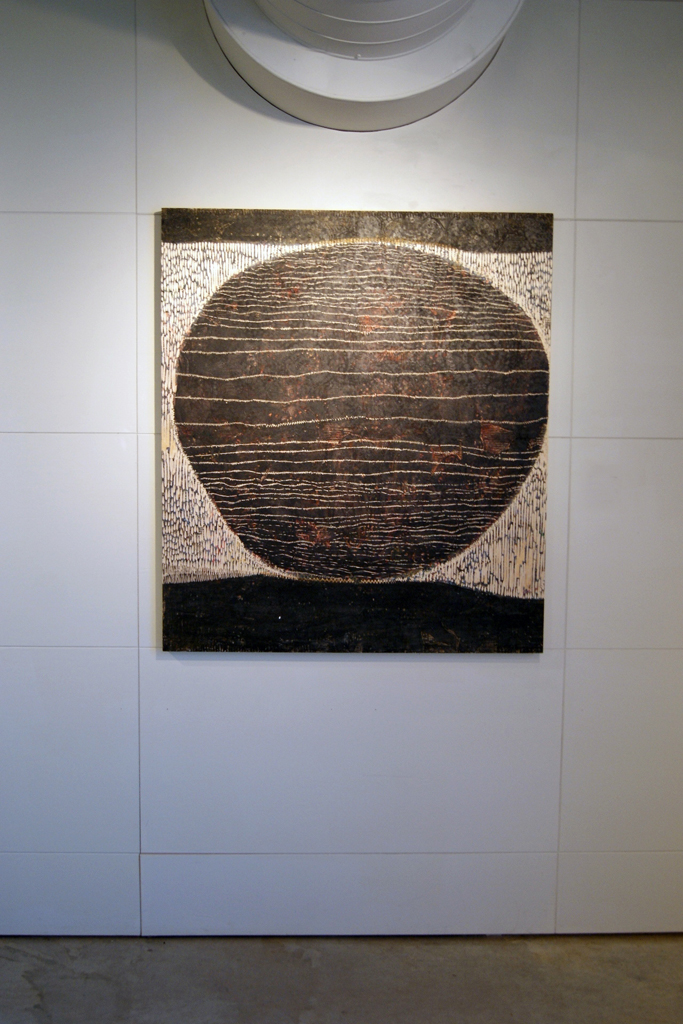
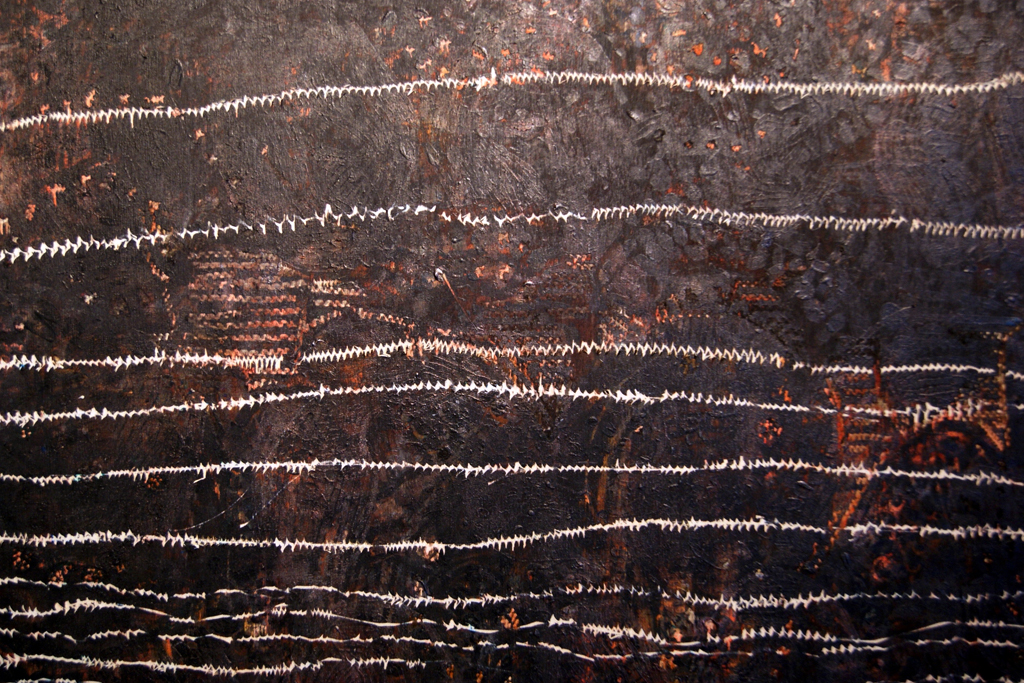
Gareth Bate: I asked Rochelle Rubinstein for particular pieces Tweed and Egg based on my knowledge of her themes that include Memento mori. I loved the way that Tweed and Egg were both printmaking and scratching into the surface of the wood yet they had a strong sense of sewing.


Susan Lukachko
Toronto, Ontario, Canada
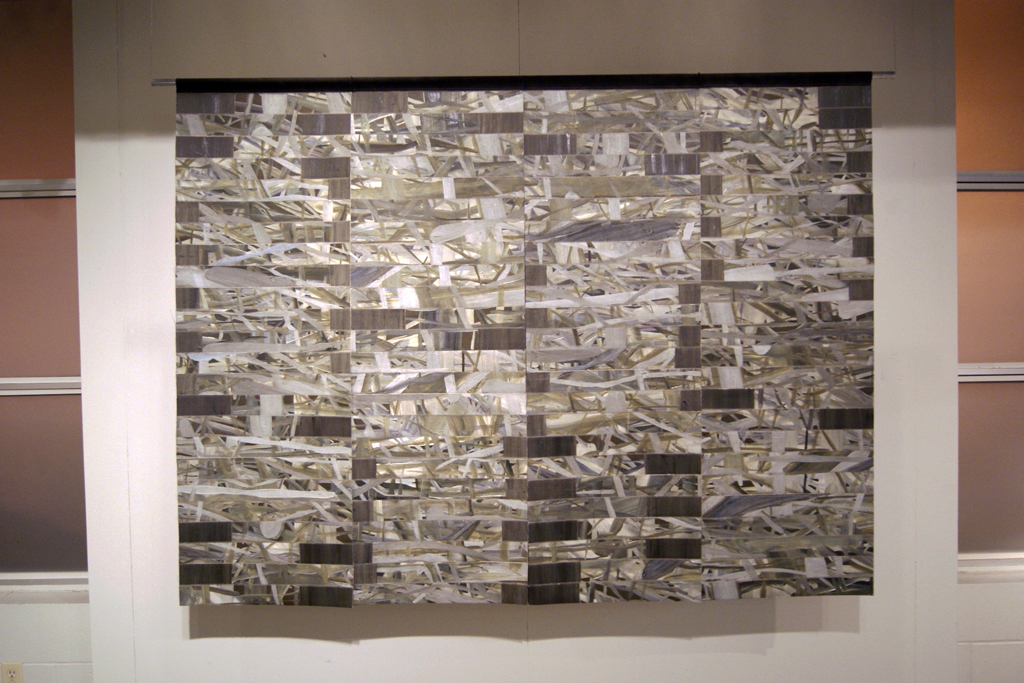
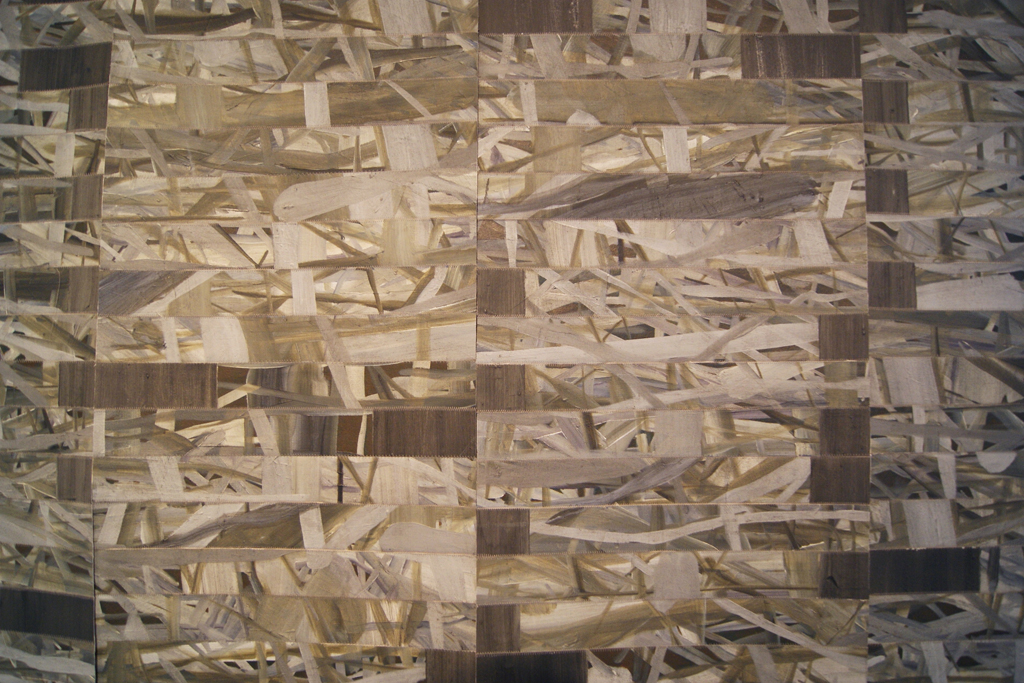
Gareth Bate: Splinter felt by Susan Lukachko like an attempt to piece one's life back together. It is a painting that had been cut up and reconstituted by sewing it up again. I was thinking about Frankenstein and how he's brought to life by being pieced together out of body parts.
Trish Delaney
Toronto, Ontario, Canada
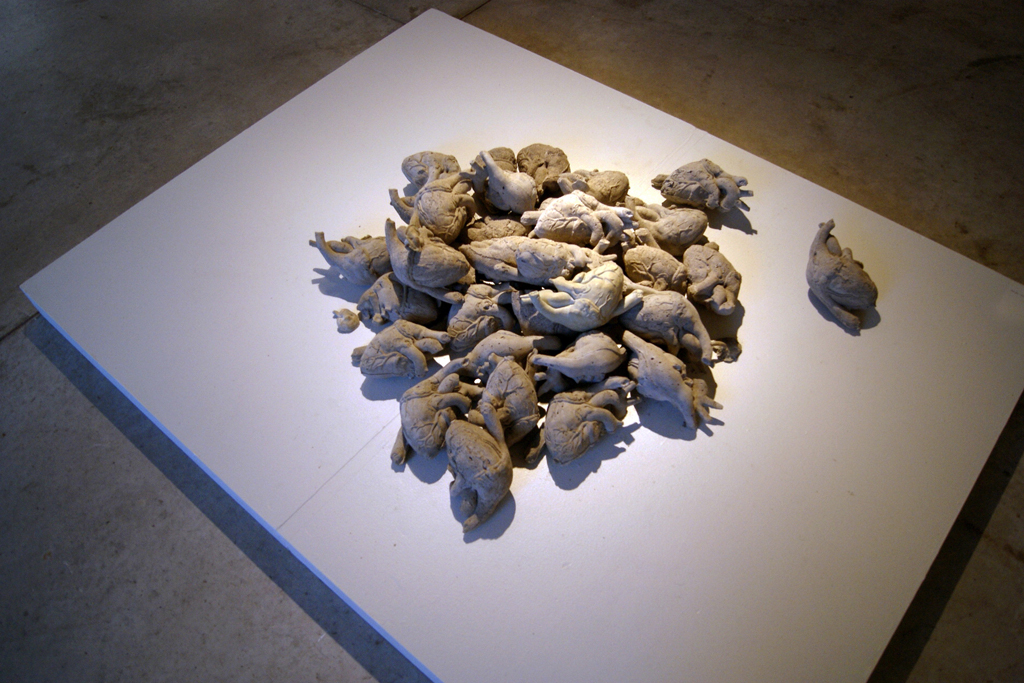
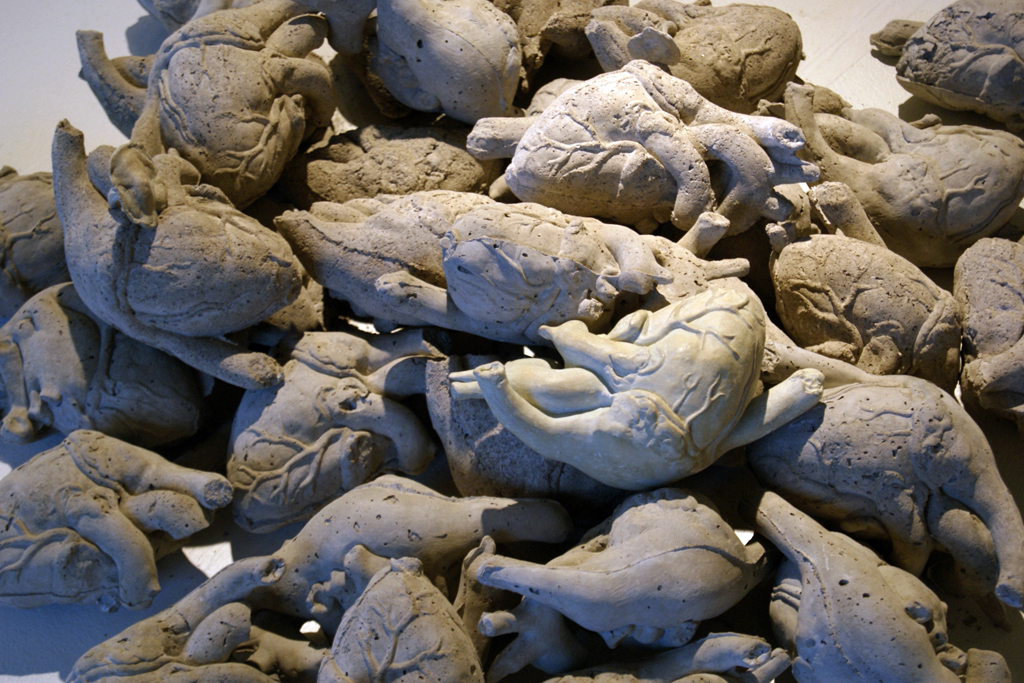


Gareth Bate: Another happy accident was the inclusion of Trish Delaney. When I arrived at the gallery to install, the previous show had not been taken down yet. Sitting on the floor was Anatomical Hearts. I loved them and thought they would fit perfectly into the mummification theme of the show. So I invited her right there to join the Memento mori exhibition. Her work just stayed in the exact same spot for both exhibitions! To me they felt like hearts from Pompeii. Her work has nothing to do with fibre techniques, but it does fit the theme of organic materials turned into permanent materials perfectly.
Wendyth Anderson Breedveld
Niagara-on-the-Lake, Ontario, Canada
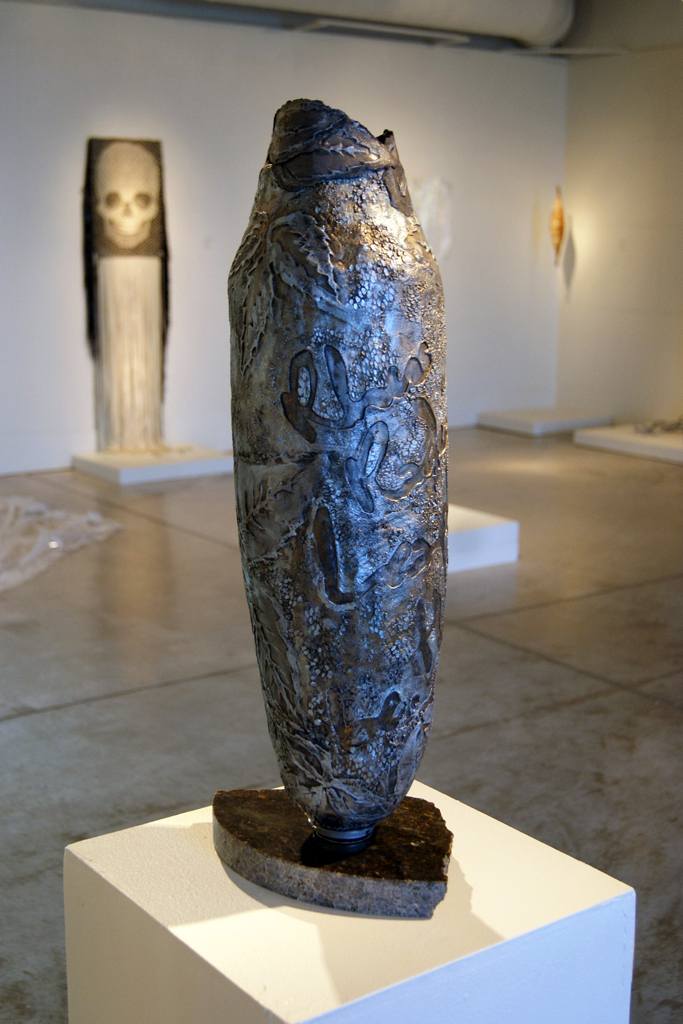
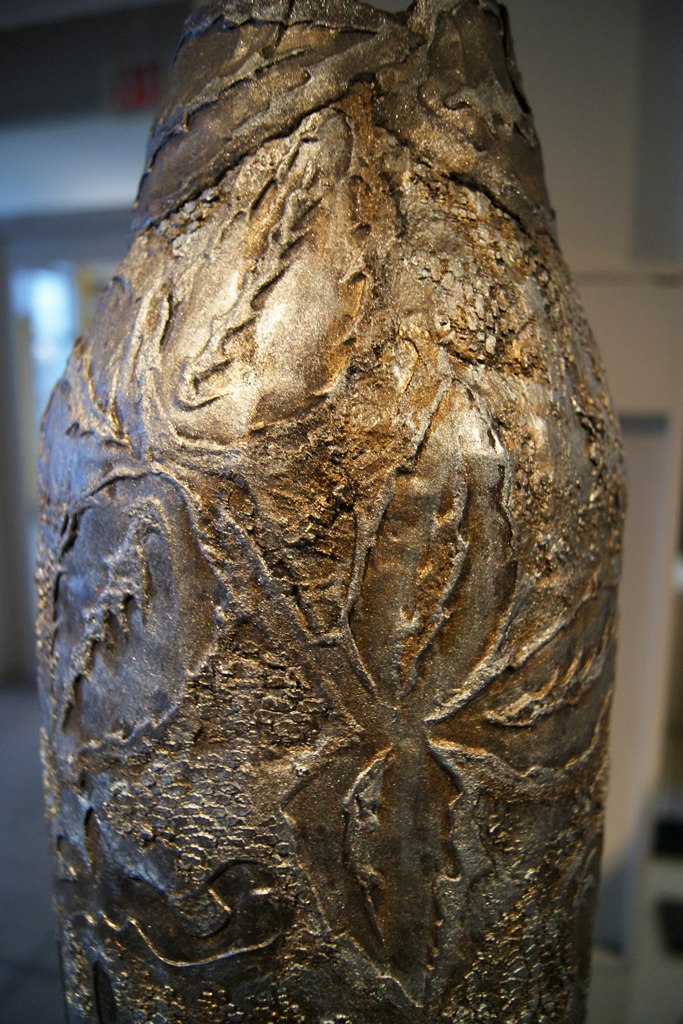
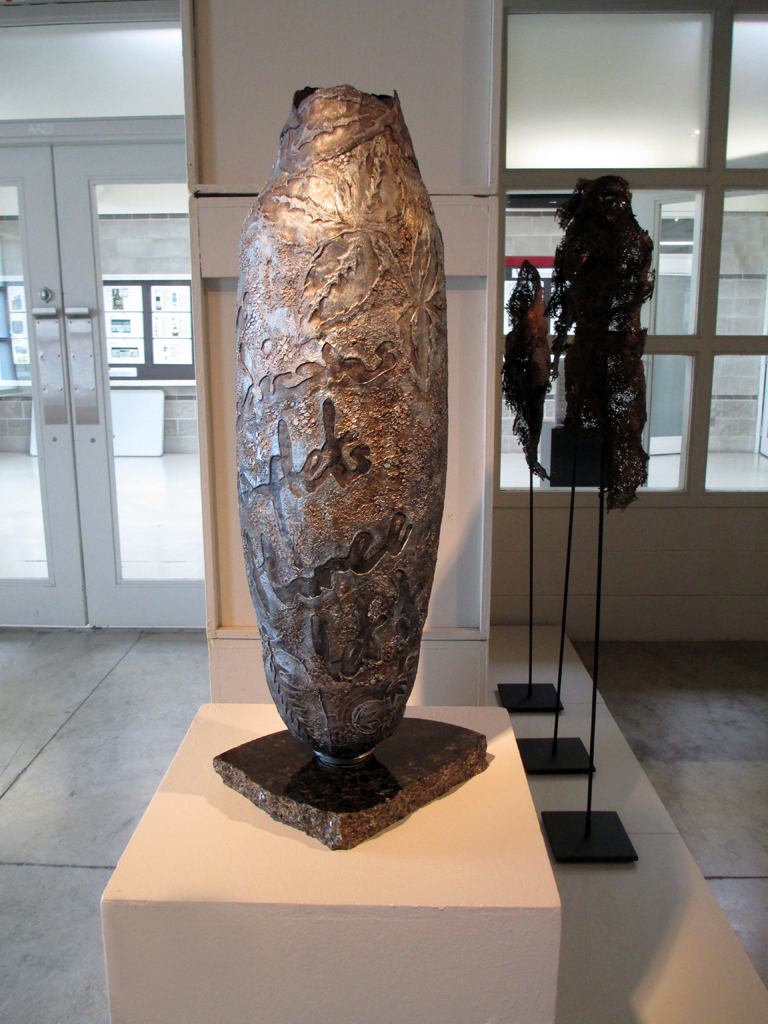
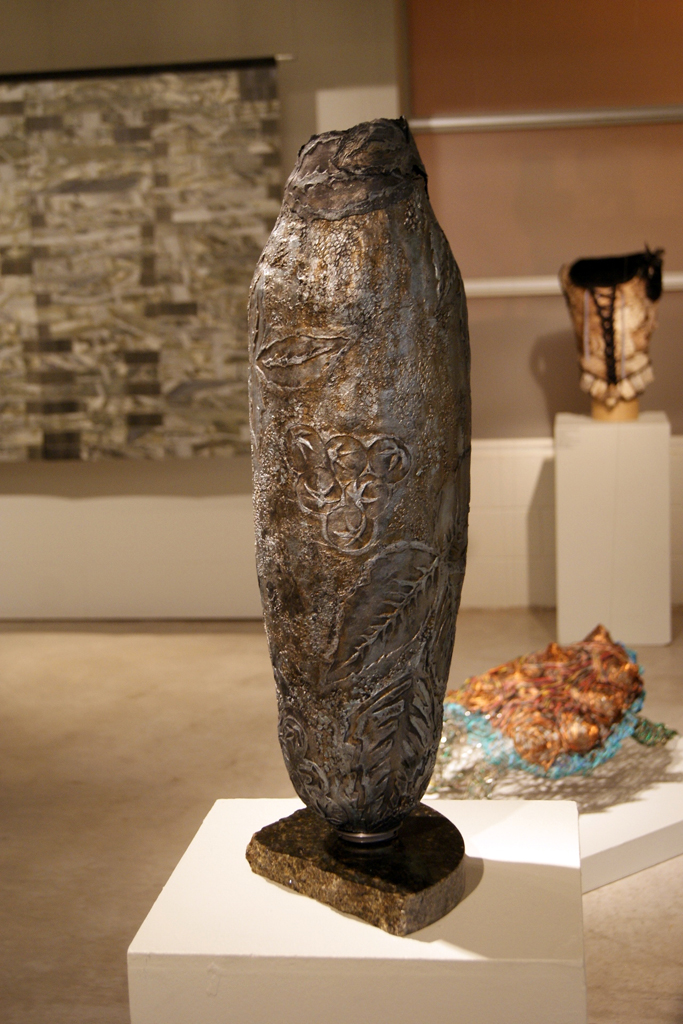
Gareth Bate: Around the corner from this was Wendyth Anderson Breedveld's Rhus Radicans, which immediately felt like an urn to me. I was very impressed by how beautiful it was. Despite appearing heavy, it was surprisingly light and could have been easily pushed right over with your finger.
Ixchel Suarez
Oakville, Ontario, Canada
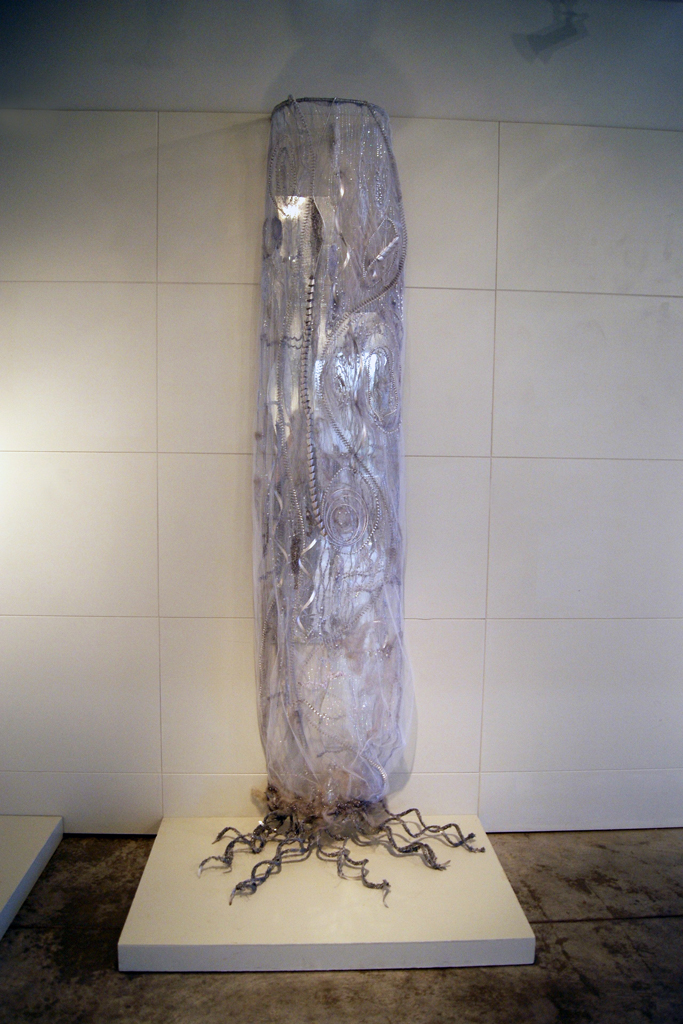
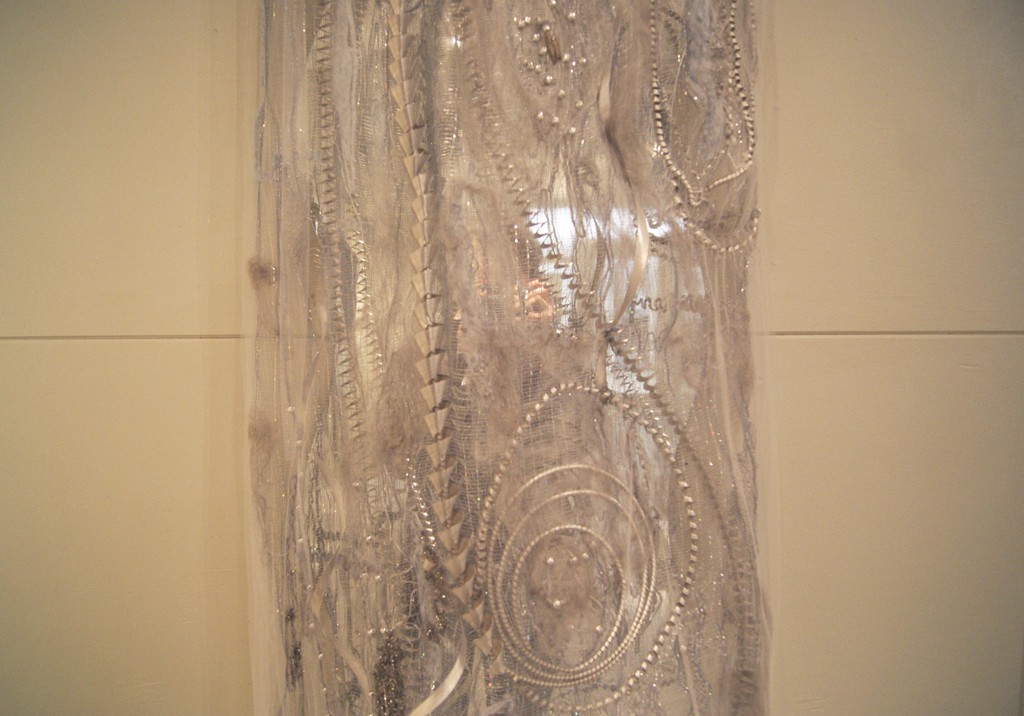
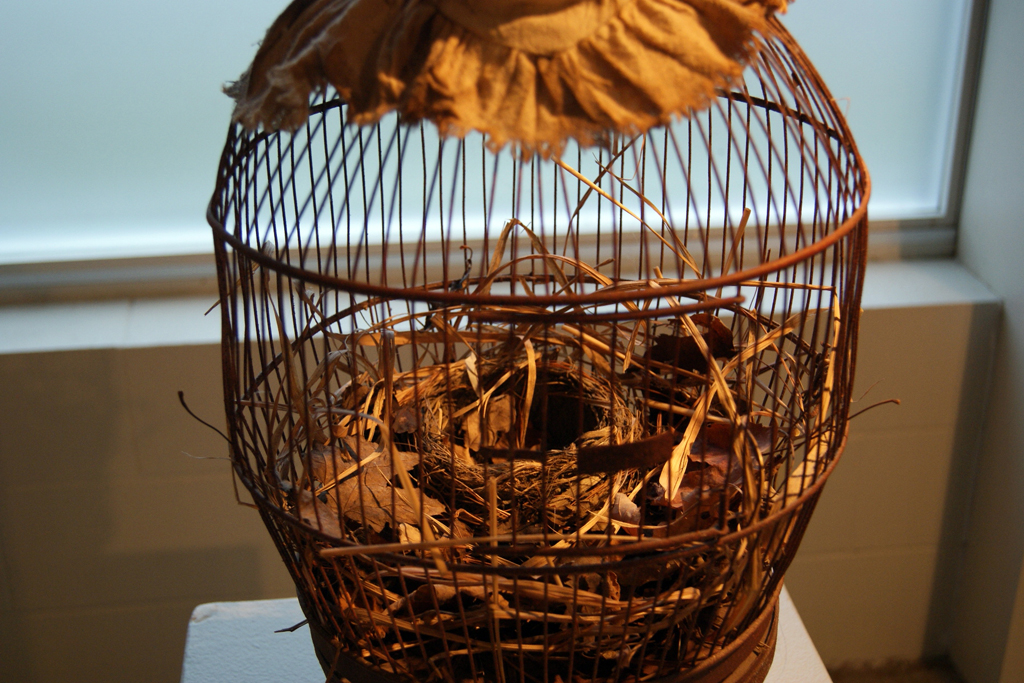
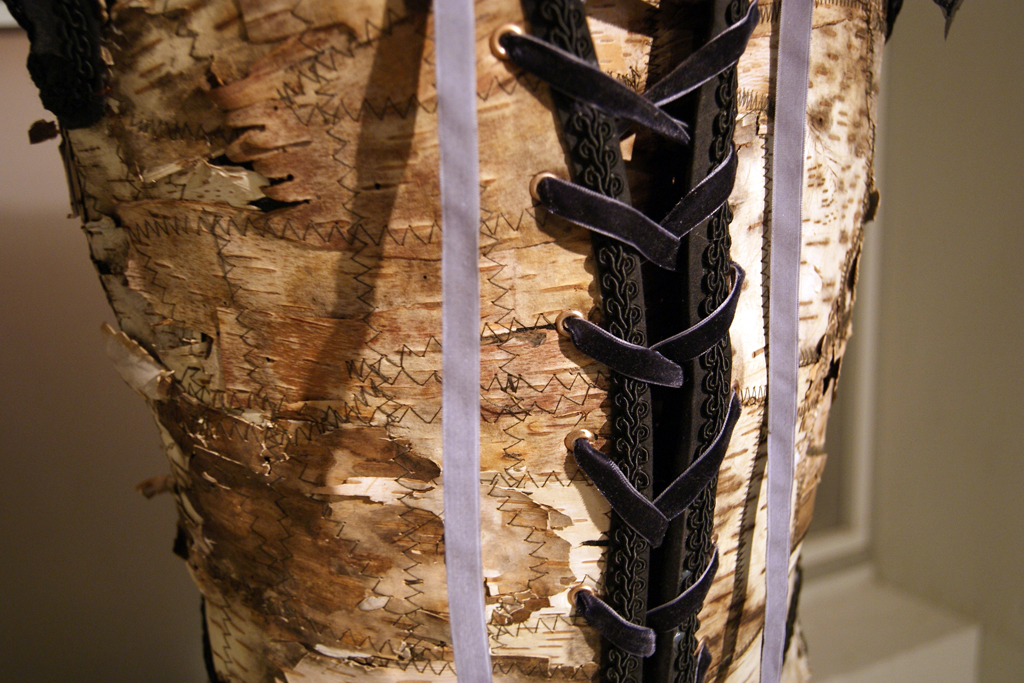
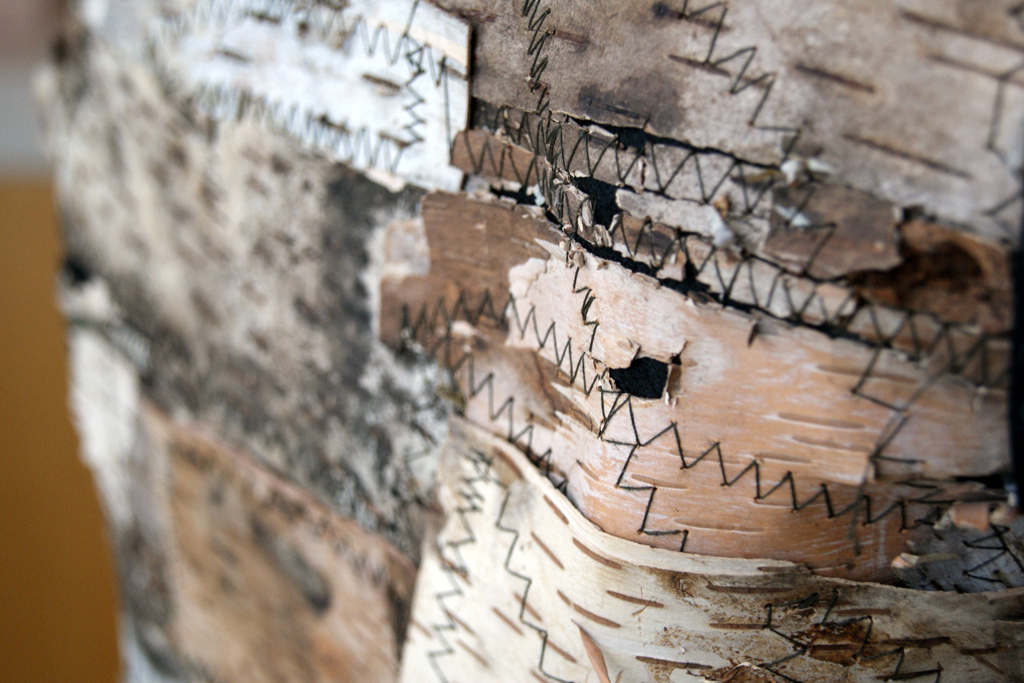
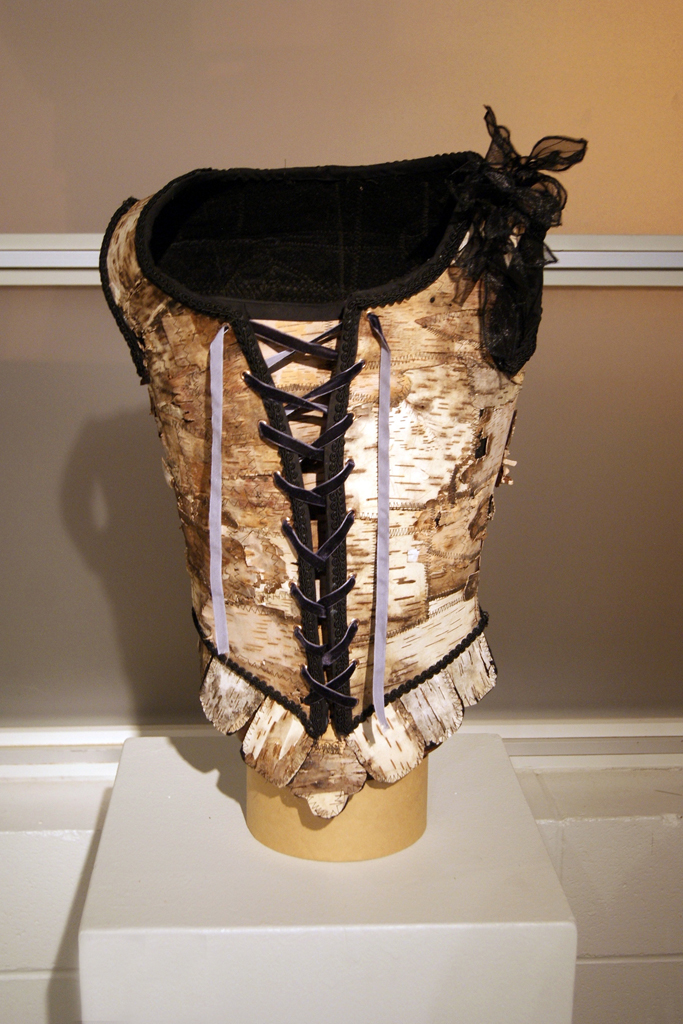
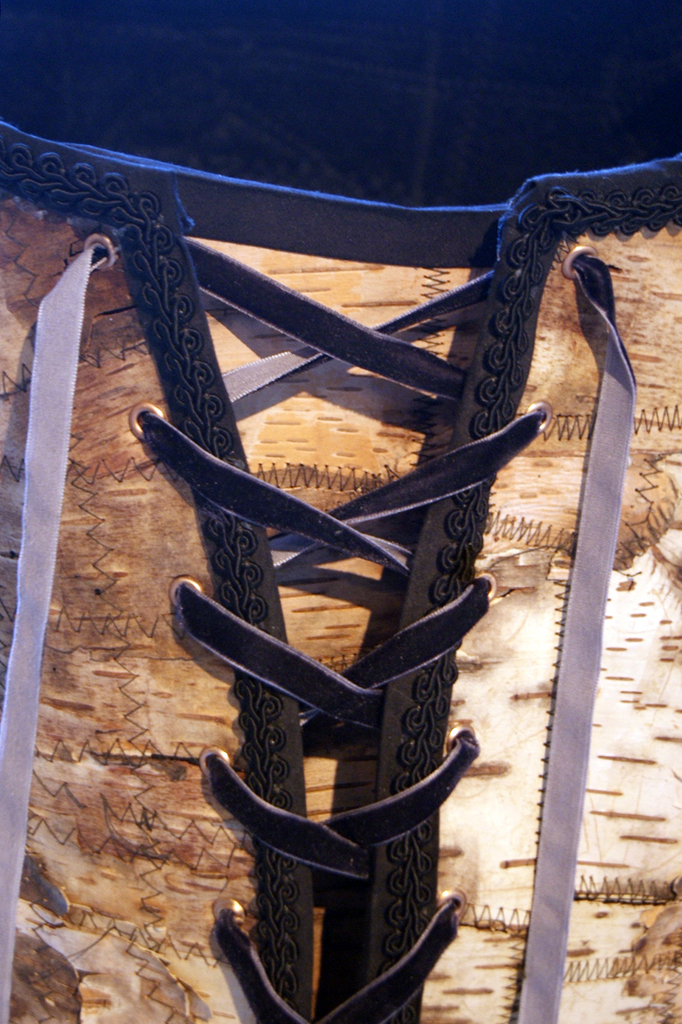
Gareth Bate: Futuristic Birch Trees by Ixchel Suarez was again part of the mummification theme, this time using technology. They evoked the idea of birch trees, which are now wired with technology like the Borg. Or perhaps machine trees with no connection to nature. It took me and Sheridan's installler Jamie Owen two days to figure out how to install this work.
Robert Davidovitz
Toronto, Ontario, Canada
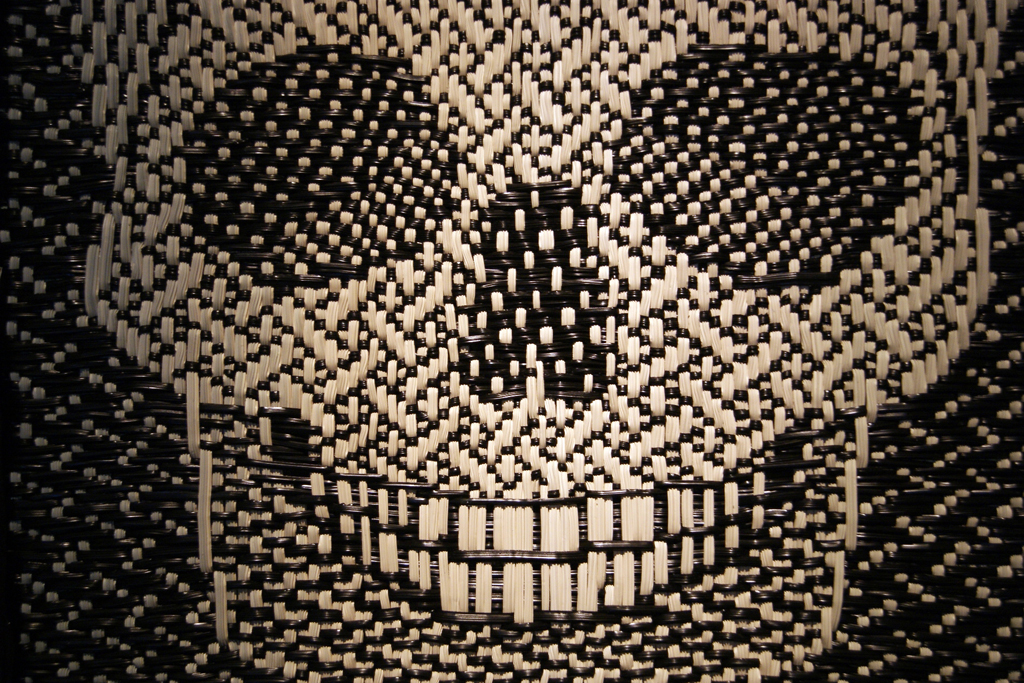
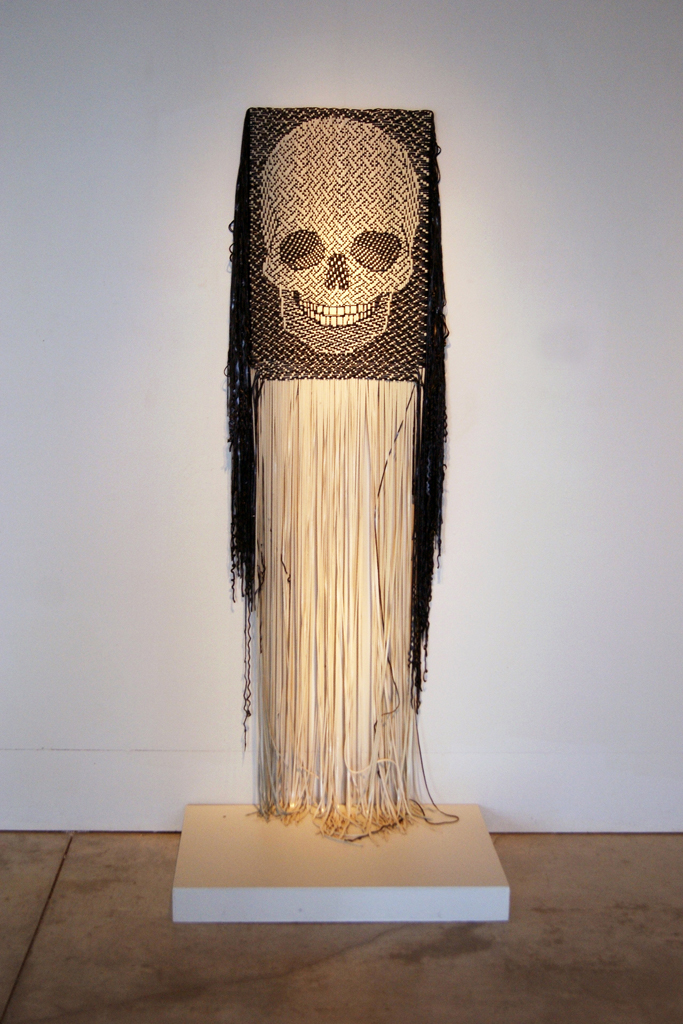
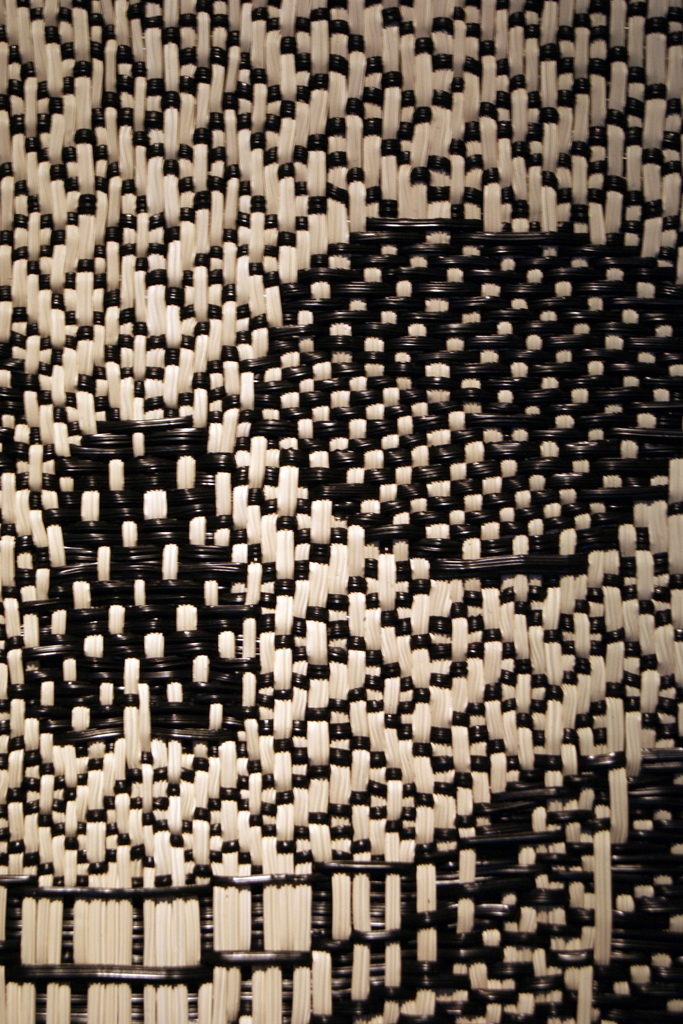
Gareth Bate:The main inspiration for the call for submissions Fibre Inspired was the woven paintings of Robert Davidovitz. When I settled on the Memento mori theme his work didn't fit the theme anymore so I invited him to make a new piece for the show. This resulted in the woven skull painting Vanitas, which played off well with Nicole Collin's work.
Megan Bostic
Raleigh, North Carolina, USA
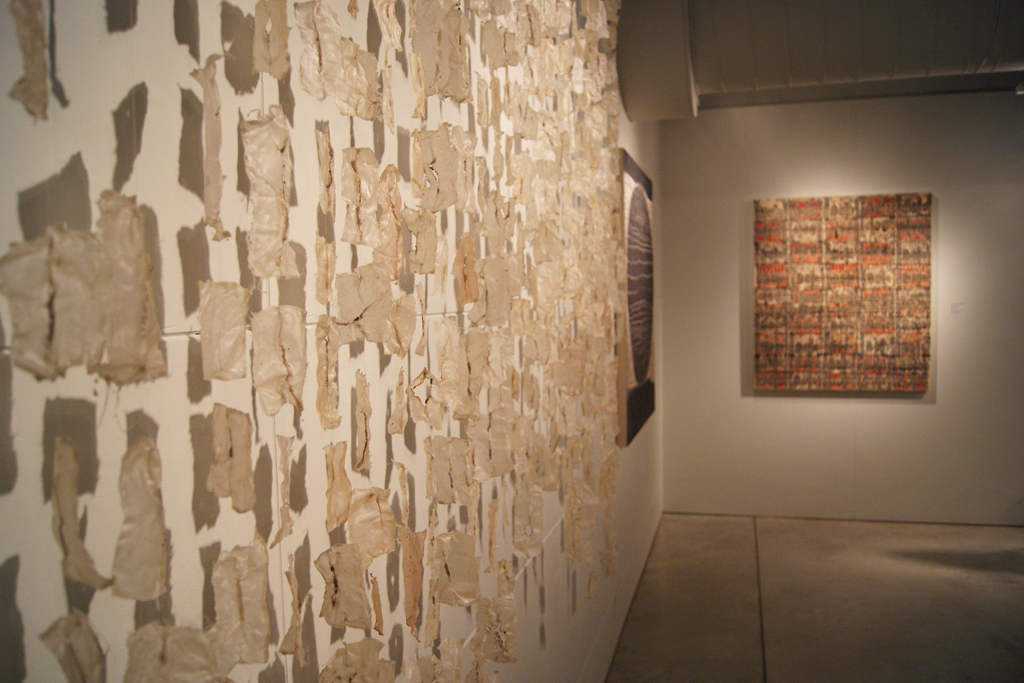
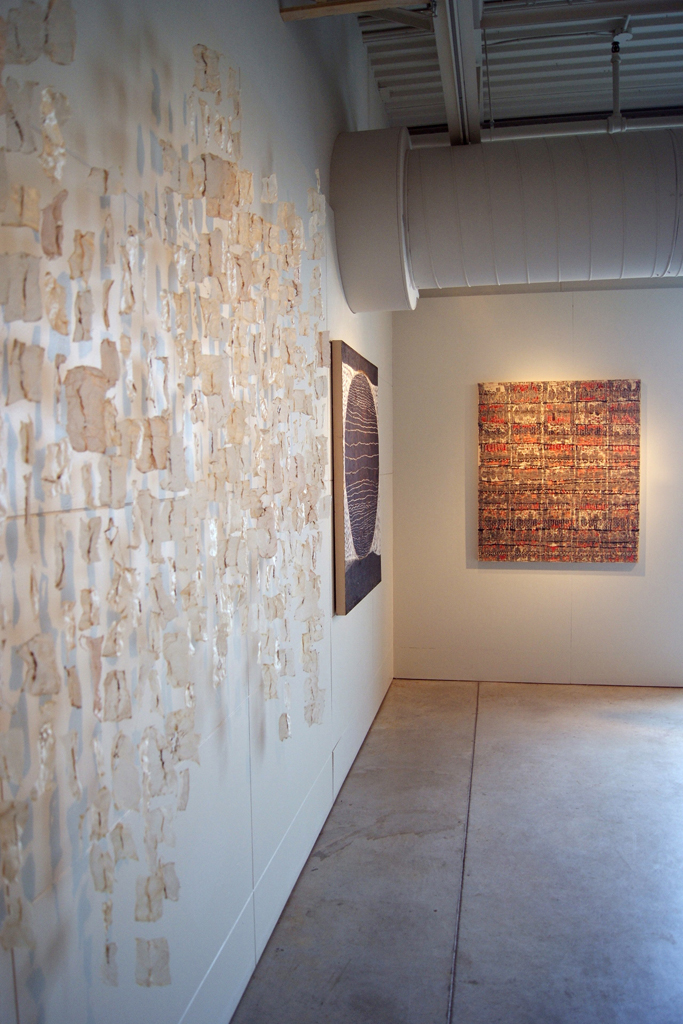
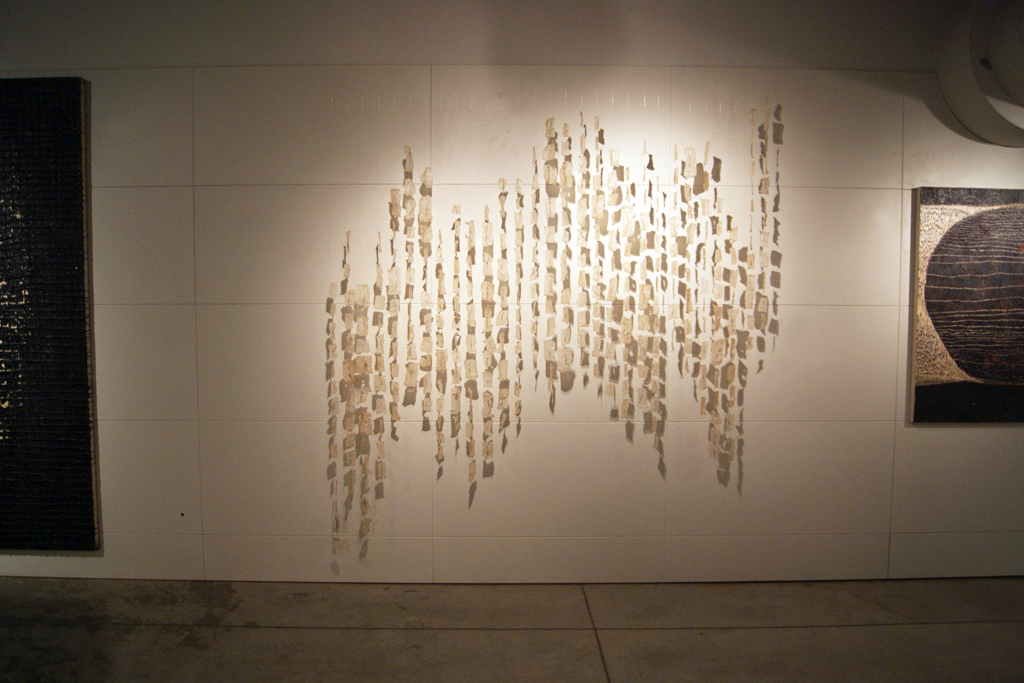
Gareth Bate: One of the most beautiful works in the show was Megan Bostic's The First Year of Grief: every day never feels like the yesterday I need it to. Here was a work deliberately dealing with death. I loved the lightness and the way it shimmered as people passed by. This was the most popular work from viewers. It was quite an ordeal to install I have to say. In the instructions they were supposed to be evenly hung. I spent several hours tying them together and then hoisted them up only to discover they were totally uneven and formed a wave! Oops. But I stood back and really loved how it looked. It wasn't what the artist intended, but I went with it.


Mary McKenzie
Toronto, Ontario, Canada
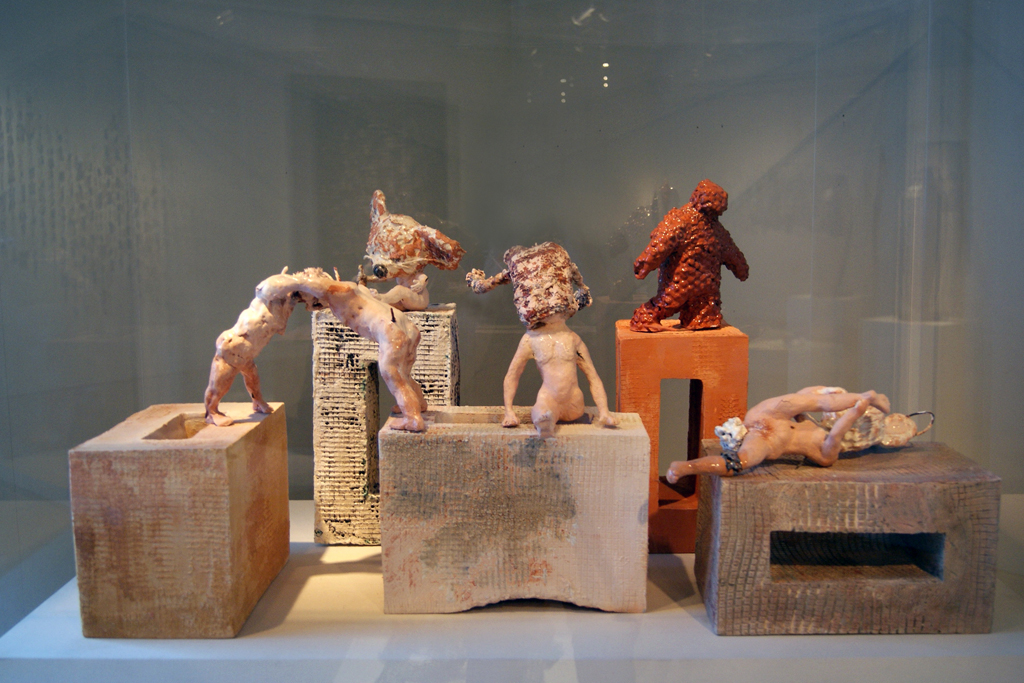
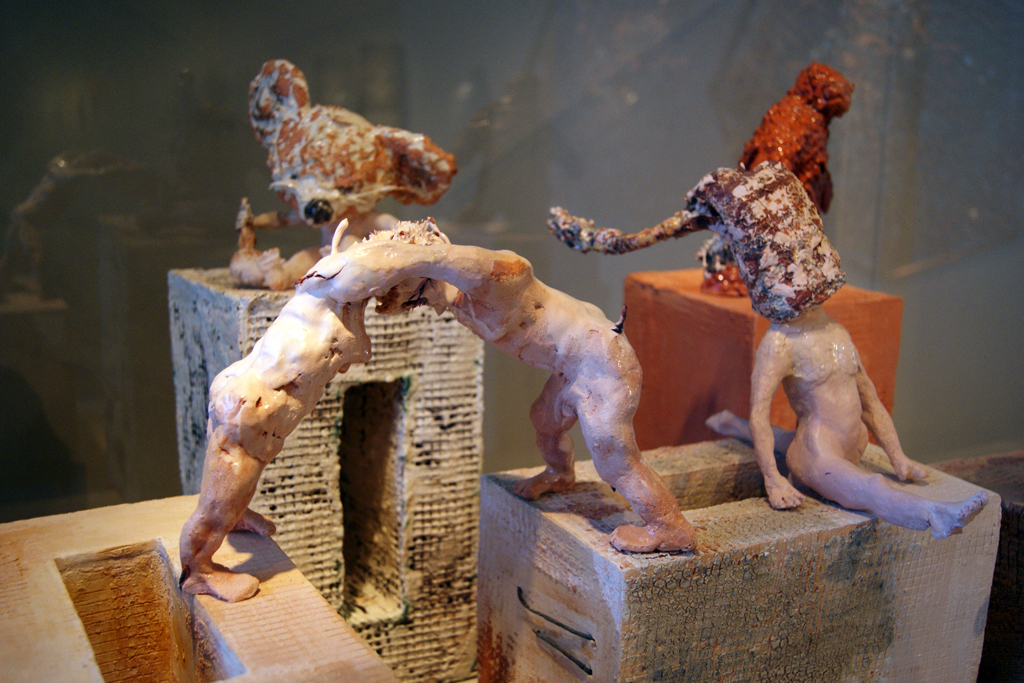
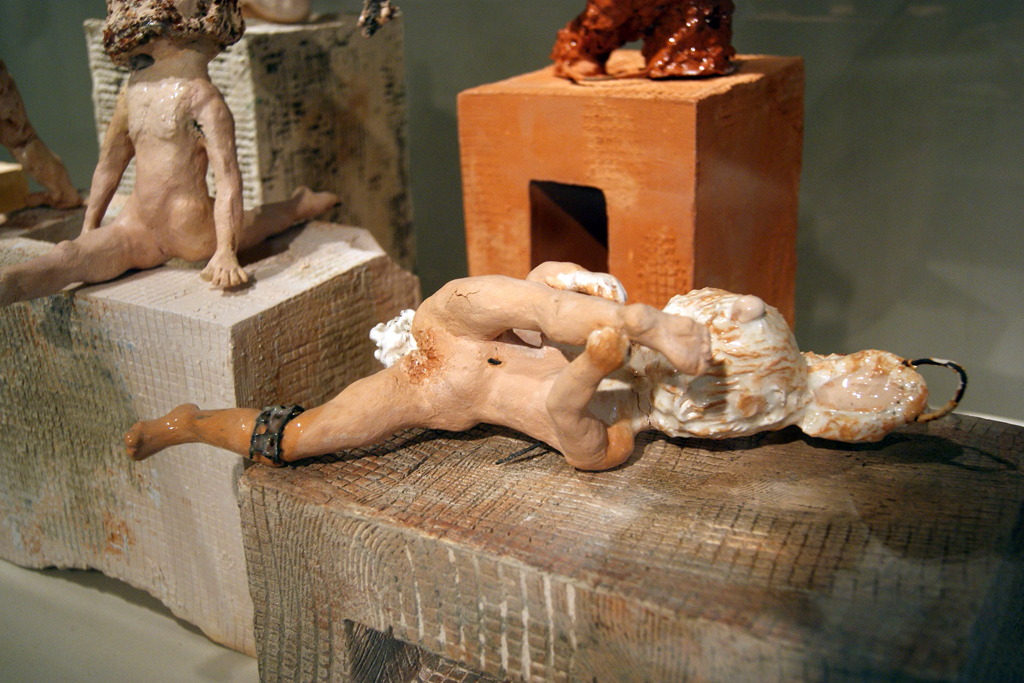
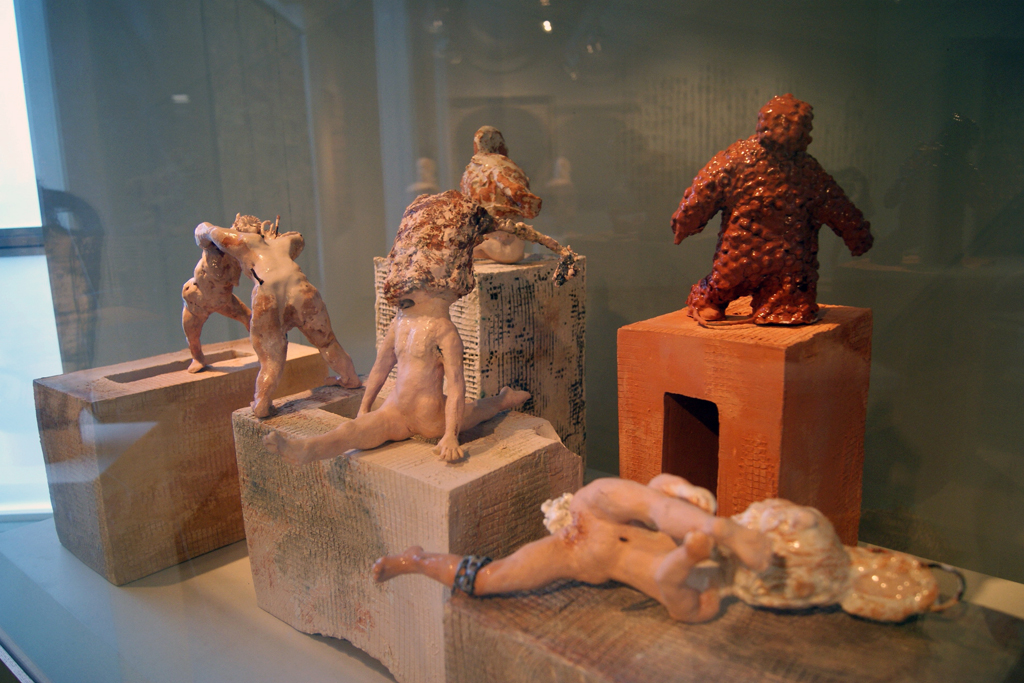
Gareth Bate: I was fascinated by Mary McKenzie's Selection, Blind Spot, State of Affairs, Piece of Cake, and Once Upon a Time. These ceramic sculptures were made by dipping stuffed figures into clay and then firing them so that the fibres burned out and left only a ceramic shell.
David Cumming
Toronto, Ontario, Canada

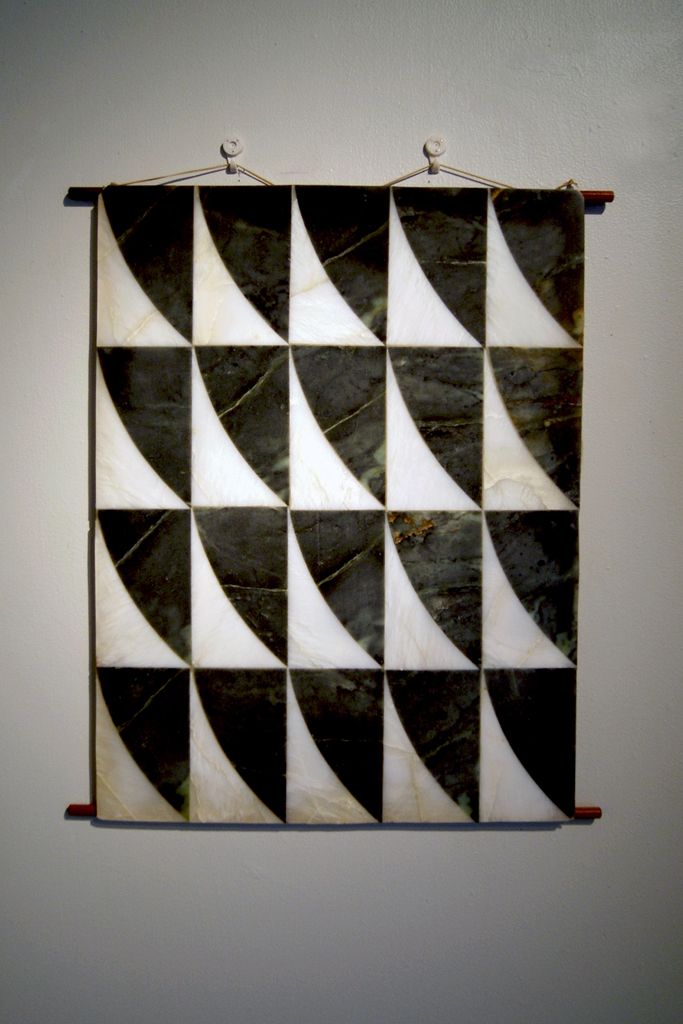
Gareth Bate: To the left was David Cumming's piece Quilt, which was actually made of stone. I loved this idea of transforming a fabric work into stone, like making a plaque out of it.
Anna Hergert
Moose Jaw, Saskatchewan, Canada
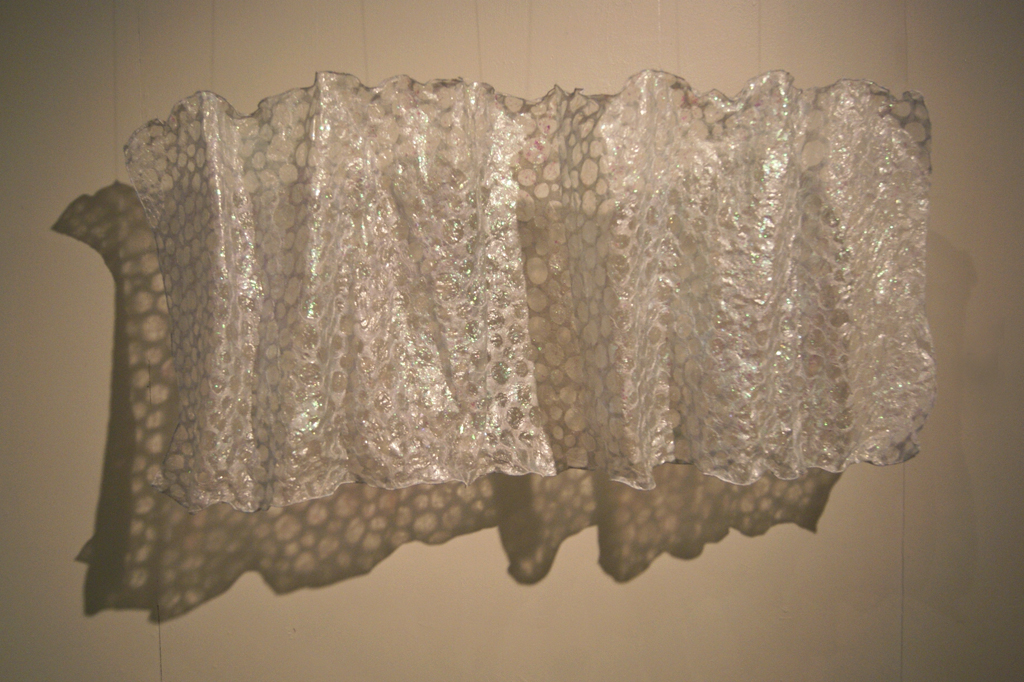
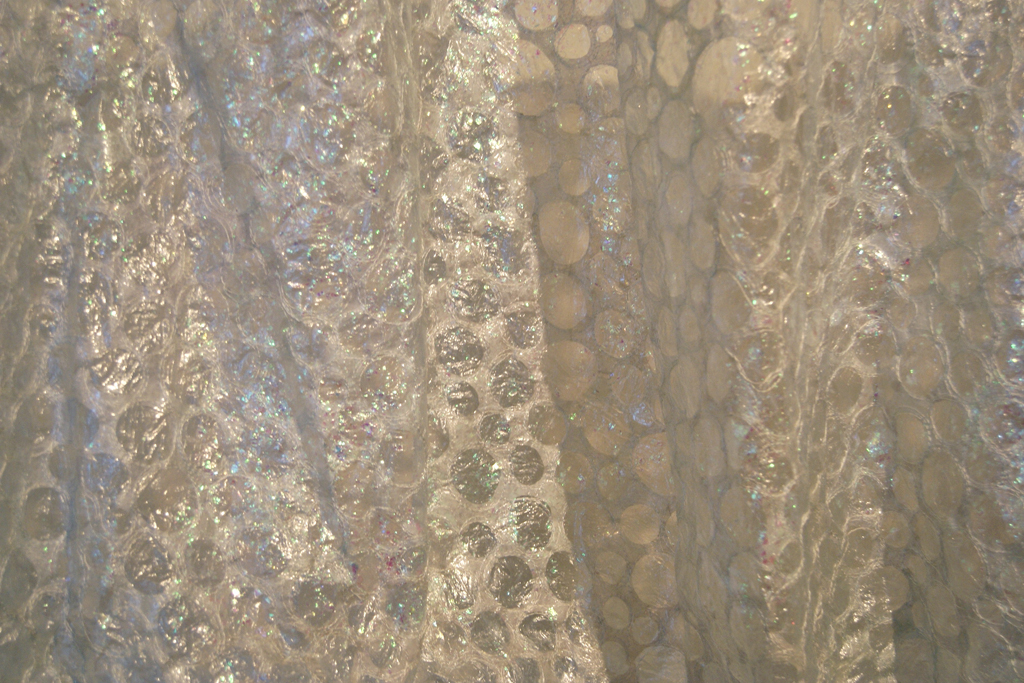
Gareth Bate: Aquatic Embrace by Ann Hergert evoked drowning for me. This is probably a total projection and has nothing to do with her intention, but that's how I saw it in this context.
Carrie Chisholm
Toronto, Ontario, Canada
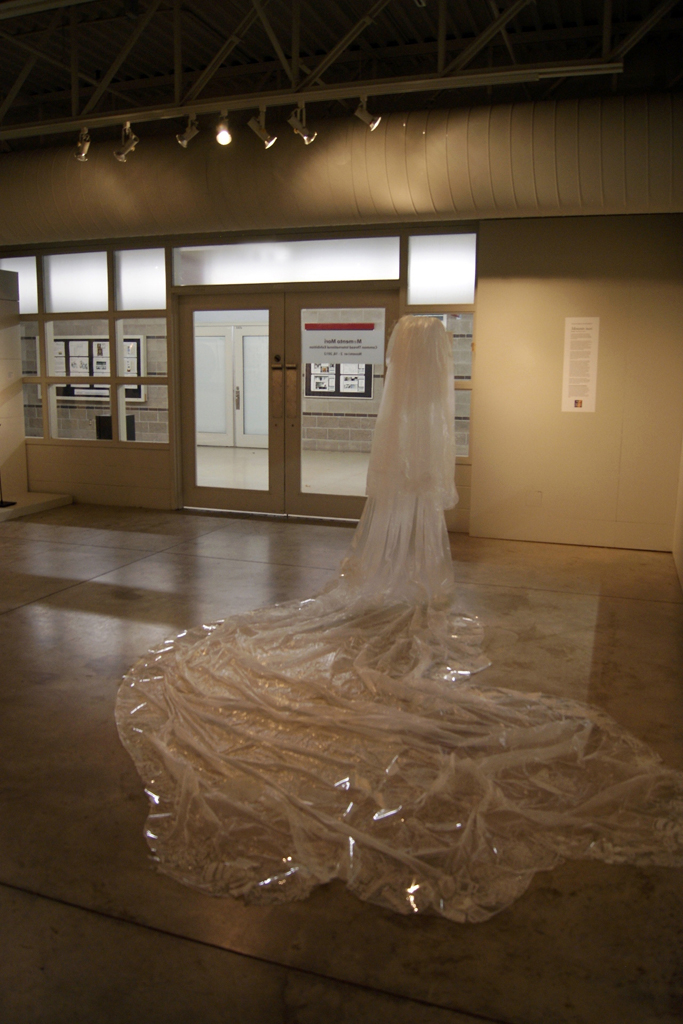
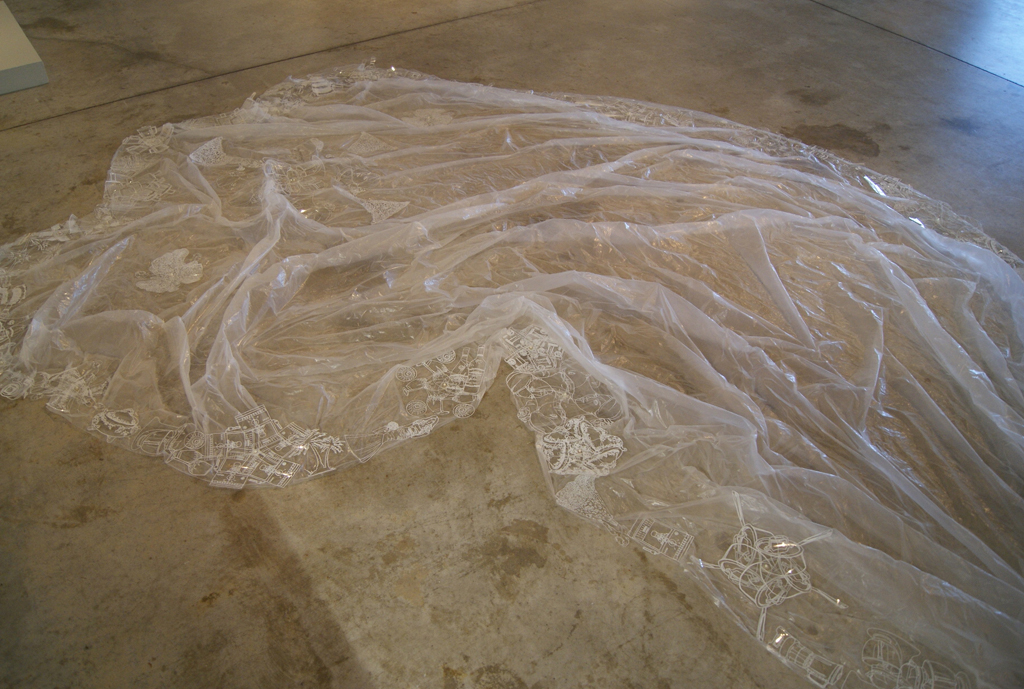
Gareth Bate: The Registry by Carrie Chisholm was cast as the ghost bride, wandering the room.
Lilly Otasevic
Toronto, Ontario, Canada
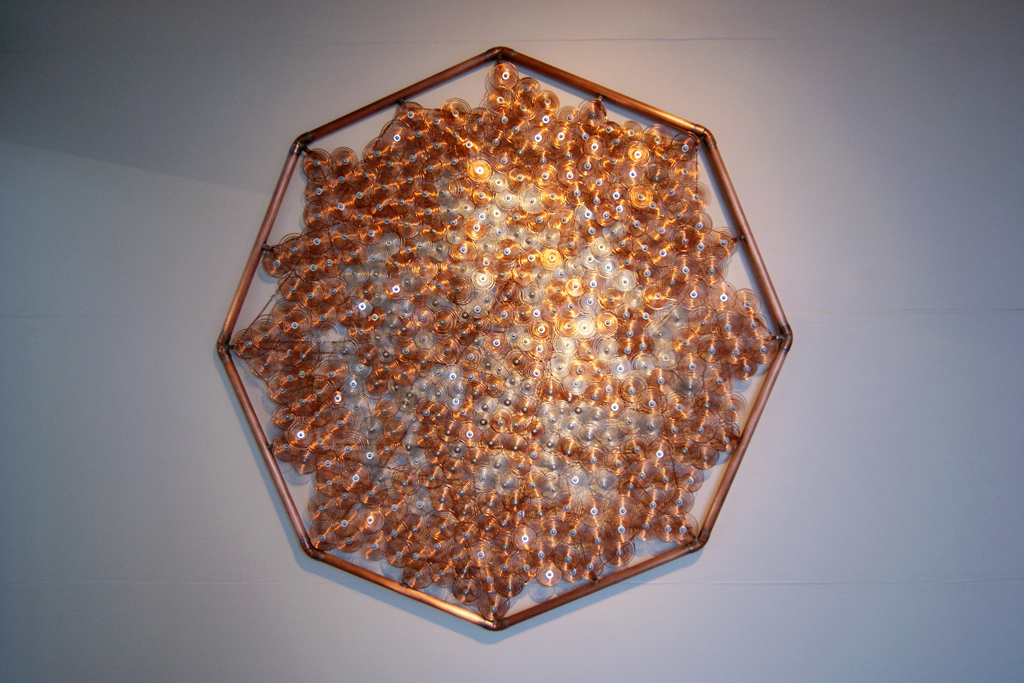
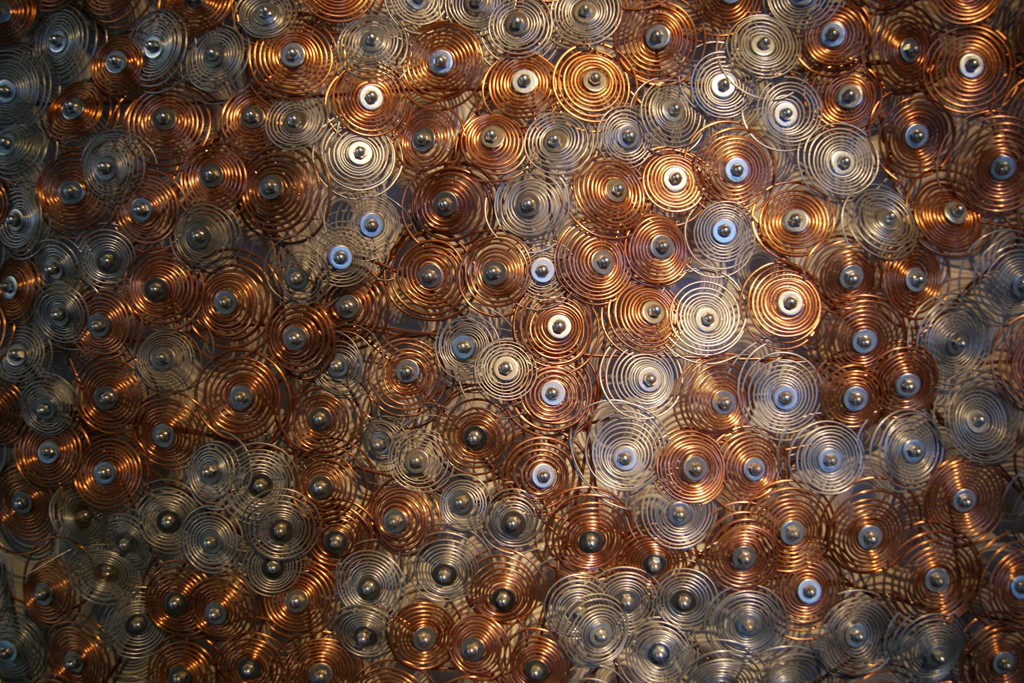
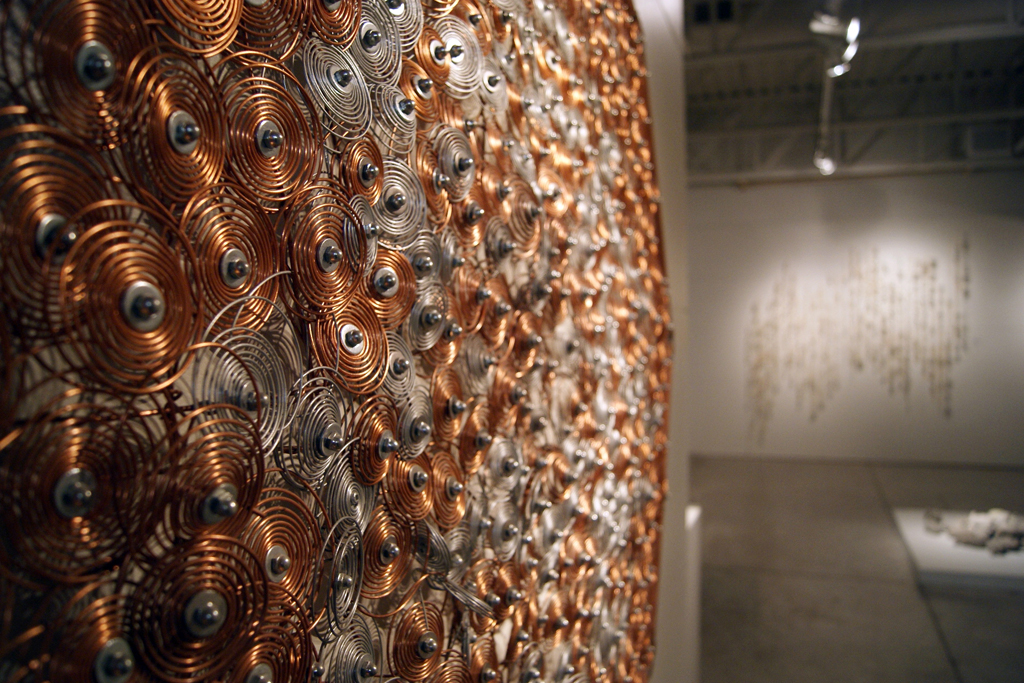
Gareth Bate: The final work in the show as you walked out was Lilly Otasevic's Spring. This work is literally made up of springs, but it also evokes blossoms. It was perfect. I was thinking of Peresphone the Goddess of Spring. After her capture by Hades, she is allowed to leave the underworld every six months to return to earth. Thus the return of spring after the winter months.