Artist Interview 109: Rosemary Hoffenberg
Wrentham, Massachusetts, USA
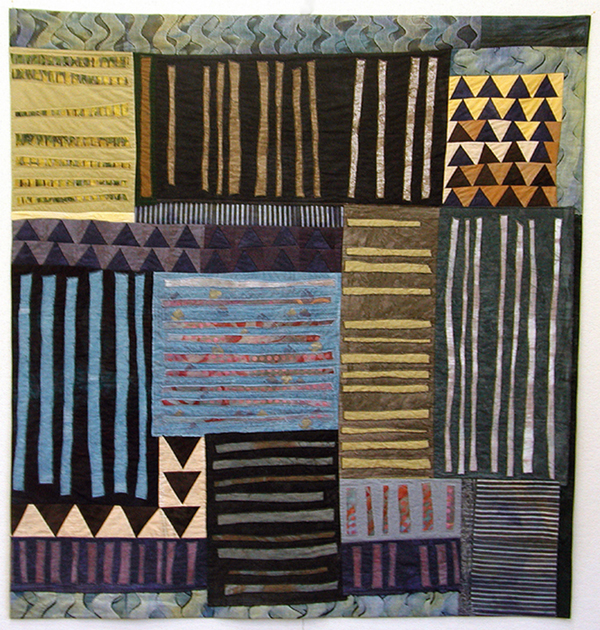
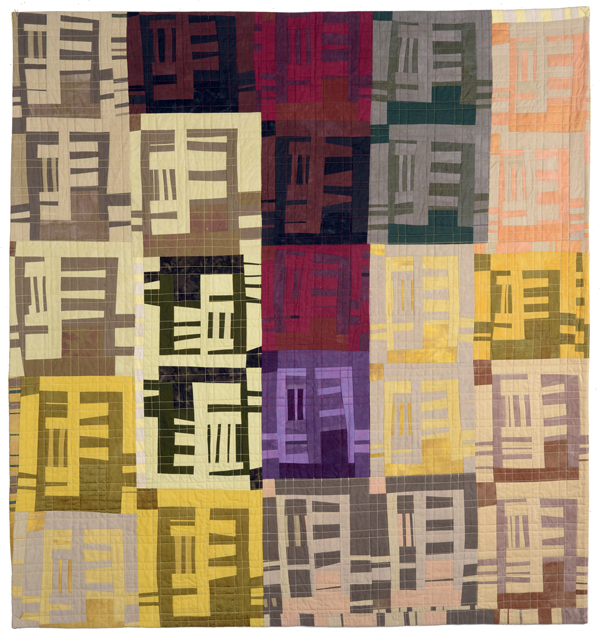
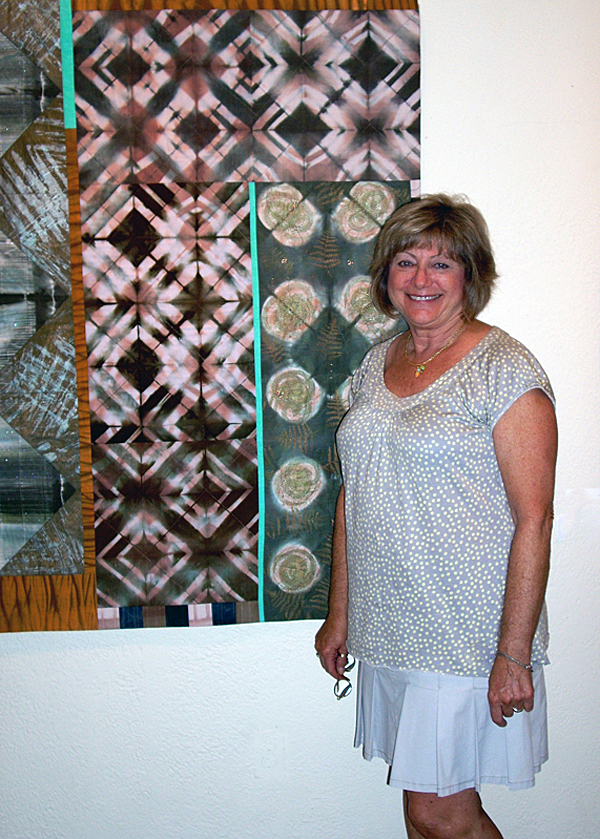
Rosemary is a contemporary art quilt maker. Through a variety of processes like dyeing, screen-printing, batik, and mono printing, her compositions form the basis of a quilt. She has two studios one “wet” for dying, screen printing etc. and one ”dry” for quilting. The most interesting thing to her, in the world of fibre art, is its versatility in the use of a very specific medium.
Tell us about your work?
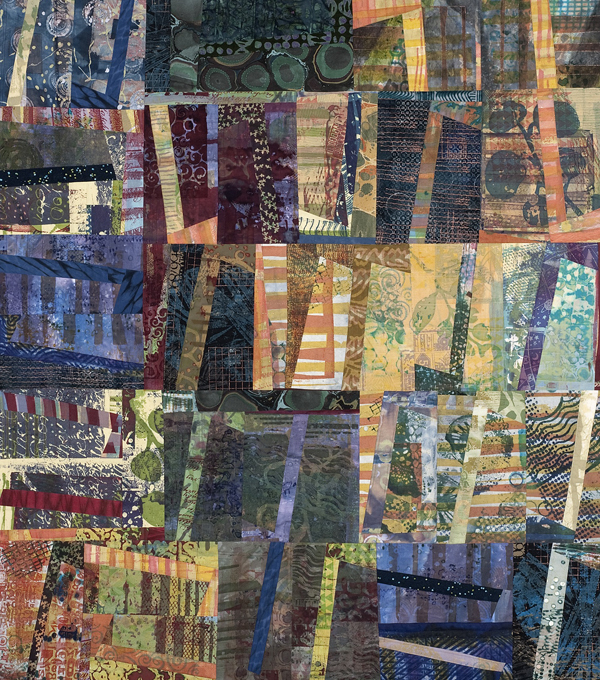
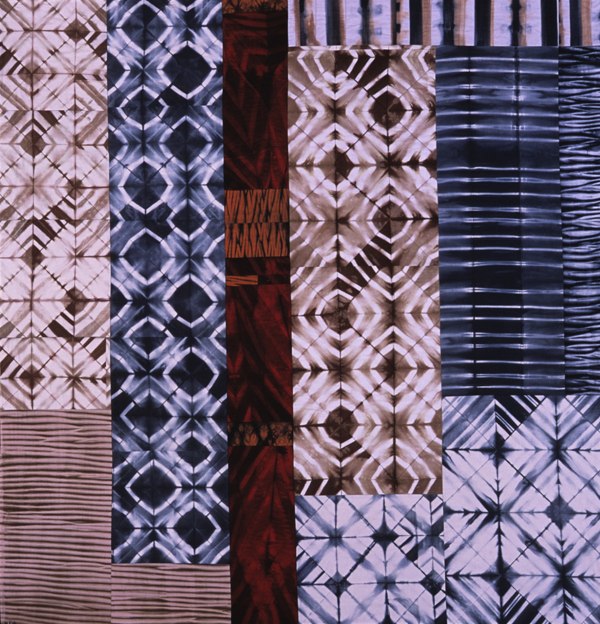
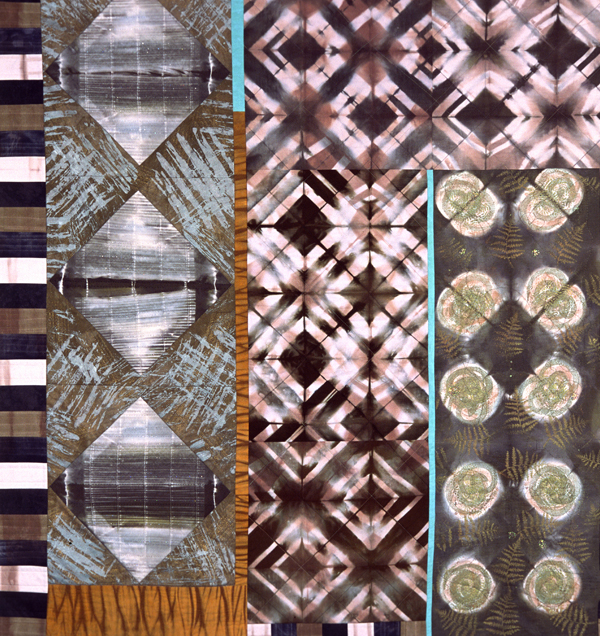
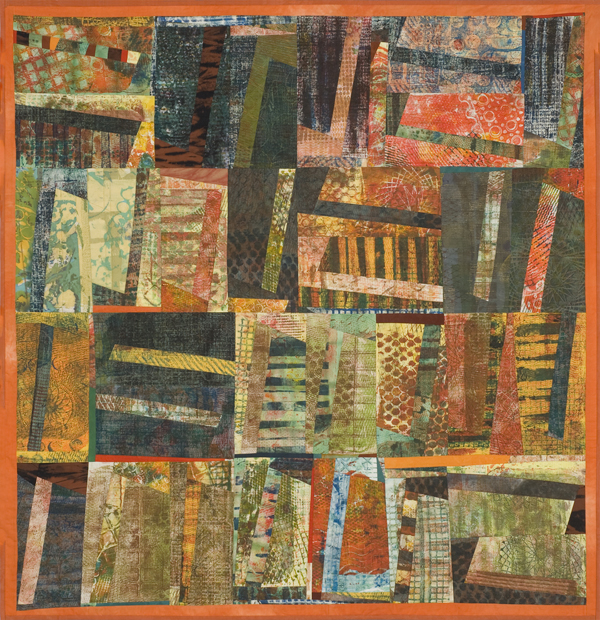
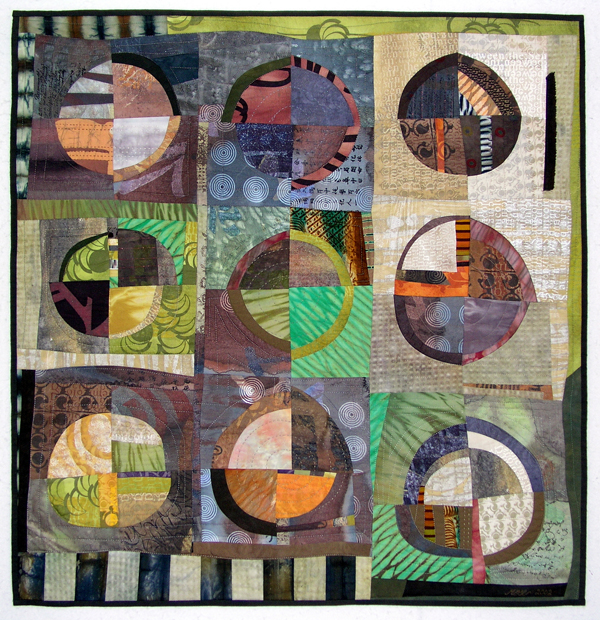
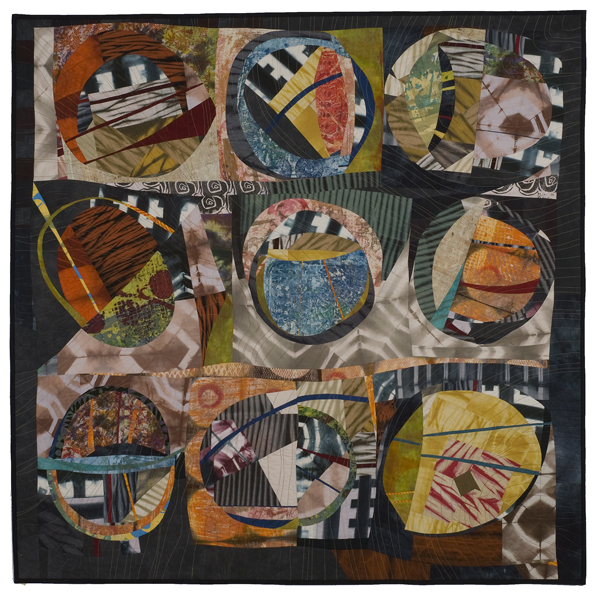
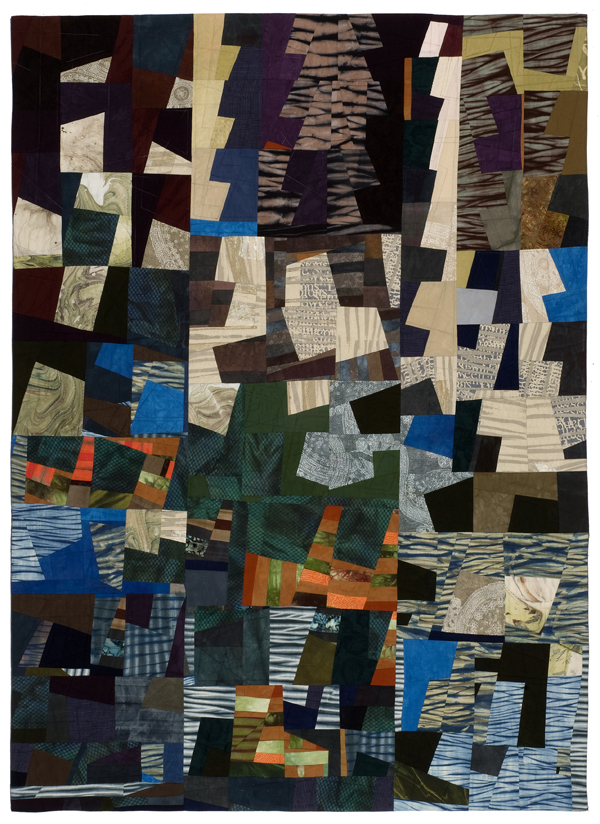
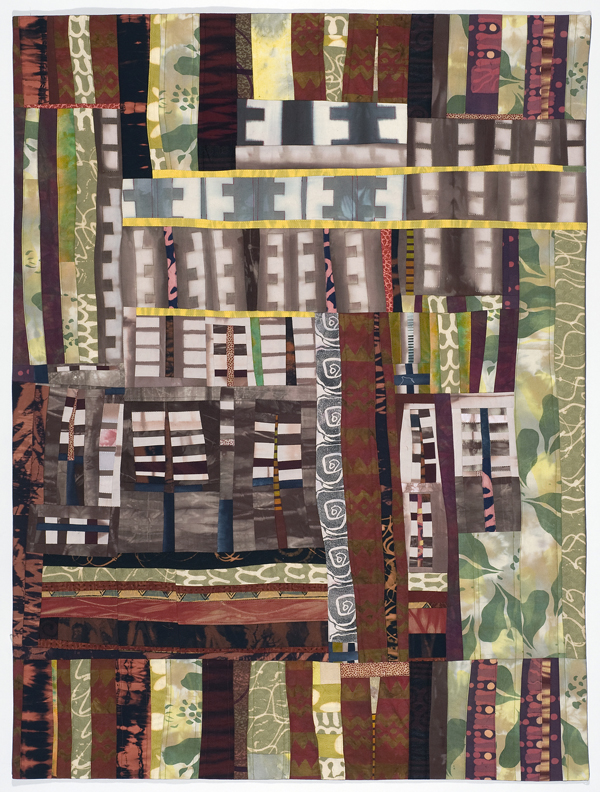
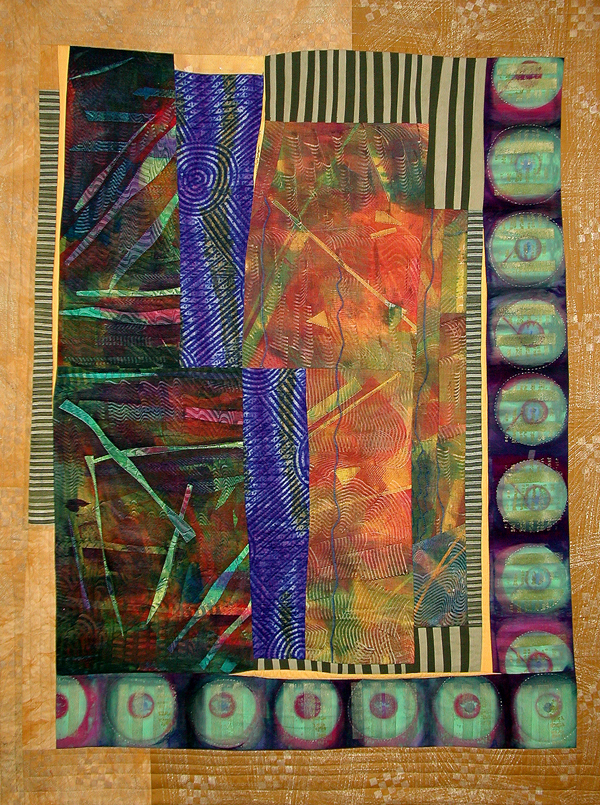
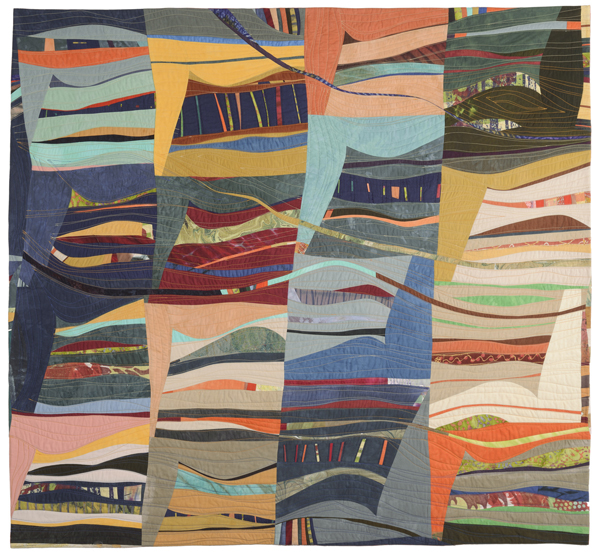
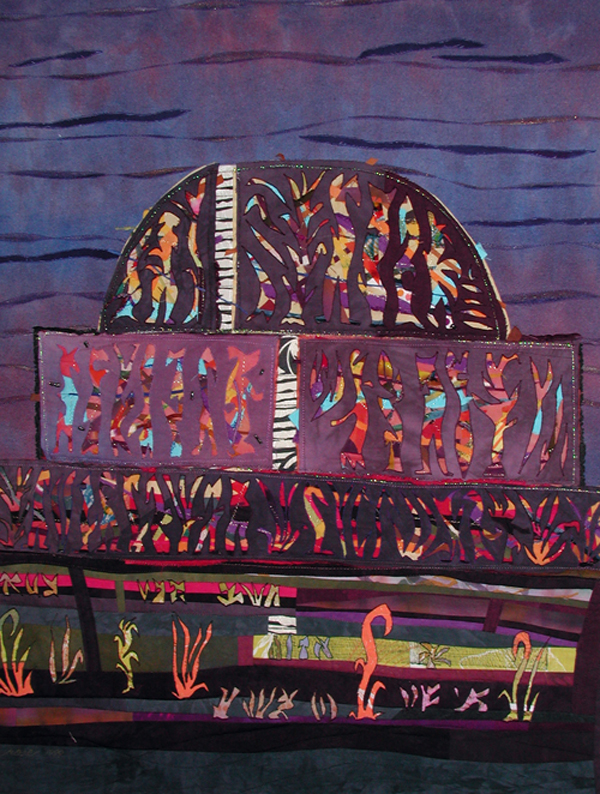
My work is primarily two fold: First, I create the "surface design" on white fabric. Then, I develop a composition in the form of a quilt. This is done through a variety of processes: dyeing, screen-printing, batik, mono printing and painting.
Where do you get your inspiration?
I cannot say that I get my inspiration from any one "thing." I do however, love nature, it's patterns, colours and forms. I am an observer. This comes through in my work. I choose my fabric and I develop my composition out of an intuitive source.
Why did you choose to go into fibre art and how did you decide on this medium?
I have to say that it chose me. I have always loved textiles. I was introduced to Batik through a friend, and I did it with a passion. After many years, I left off the wax and continued to dye the fabric for quilters. Slowly, this idea of quilt making took hold of me and once again I was "hooked."
What specific historic artists have influenced your work?
Pablo Picasso for his ability to abstract everyday forms. Josef Albers for his play with colour. Howard Hodgkin for his abstract representation of shape and colour. And, Dale Chihuly for his ethereal use of line. I also have a strong affinity to the works of Arthur Dove and Marsden Hartley.
What specific contemporary artists have influenced your work?
The most influential artist in my career has been Nancy Crow. I was still a dyer when someone showed me her book, Improvisational Quilts, by C&T Publications. It caught my attention as the dyed fabrics were similar to my own, and I was inspired to learn to sew. Michael James has been pivotal in my work. The sensitivity to the formal aspects of art that he brings to the quilt has had a strong impact on my work.
What other fibre artists are you interested in?
I also like Sean Scully for the way he orders his field and colour. Other fibre artists whose work I appreciate are Jette Clover, Elin Noble and Jan Myers-Newbury.
What is the most interesting thing to you about the world of fibre art?
The most interesting thing in the world of fibre art to me is its versatility in the use of a very specific medium.
I did not allow myself to be called an artist until later in life.
When you were a child, did you want to become an artist?
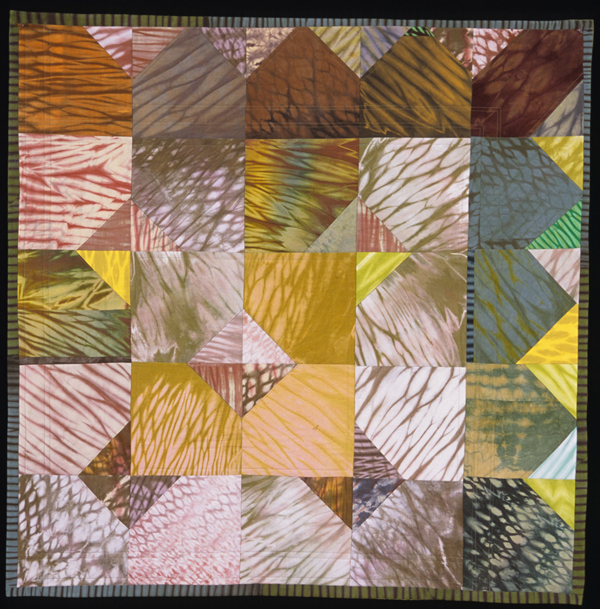
As a child, I was always drawing or painting, but was not encouraged to become an artist. I did not allow myself to be called an artist until later in life. Even when I was well on my way, I used to say, "I am becoming an artist." Now, it just rolls off my tongue.
Is there someone who has made a difference/impact on your work?
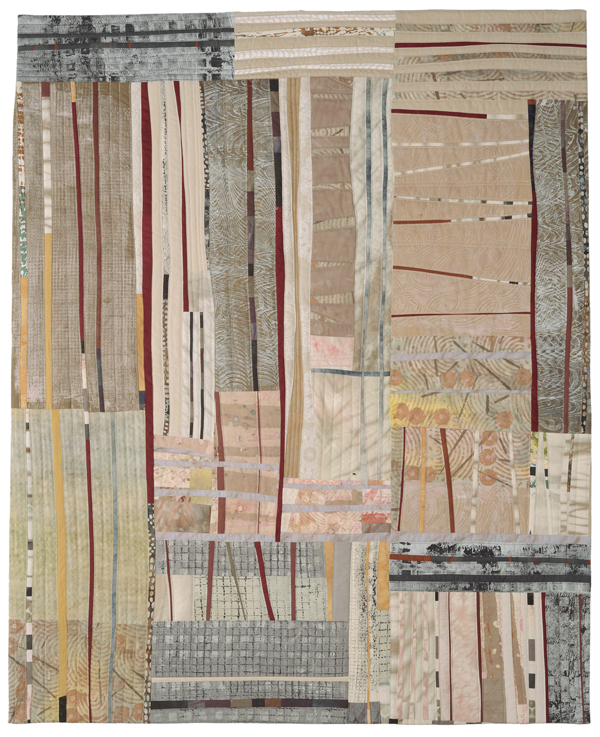
Yes. Nancy Crow! I appreciate the discipline she brings to the quilt as an art form. This is also true of Michael James.
If a good friend were to describe your style, what would they say?
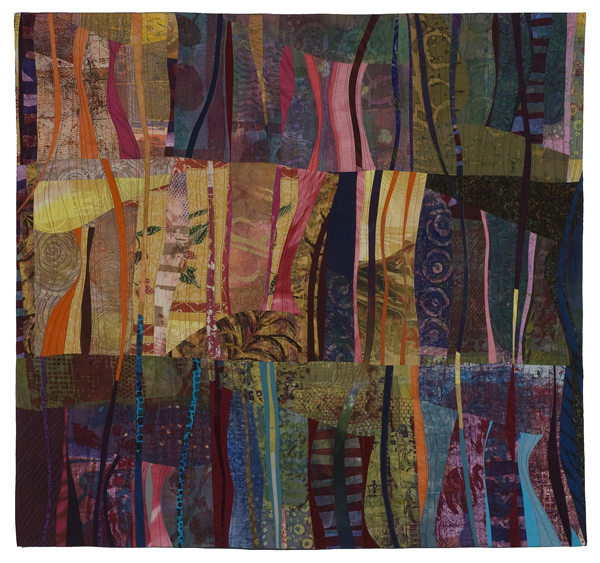
I hope they would say that my work is forever growing and surprising.
How have your expectations changed over the years?
My expectations have not changed. I continue to have a strong desire for excellence and growth. I want each successive quilt to be better than the last, and if it is not, to learn from it.
What project has given you the most satisfaction and why?
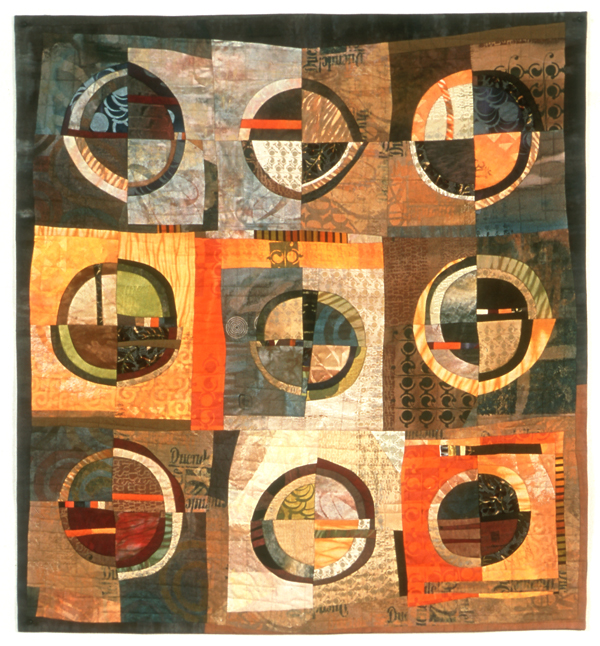
I gained a great deal of satisfaction from working in one motif and working it into a series. It gives me parameters and boundaries. Having said that, I also love hanging up a body of newly designed fabric and waiting for it to speak to me.
Tell us about your studio and how you work:
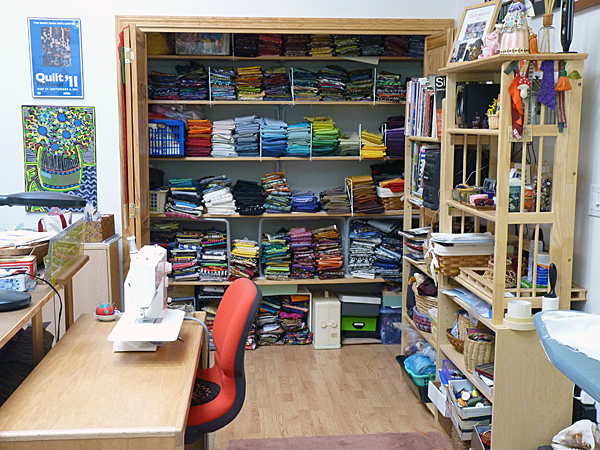
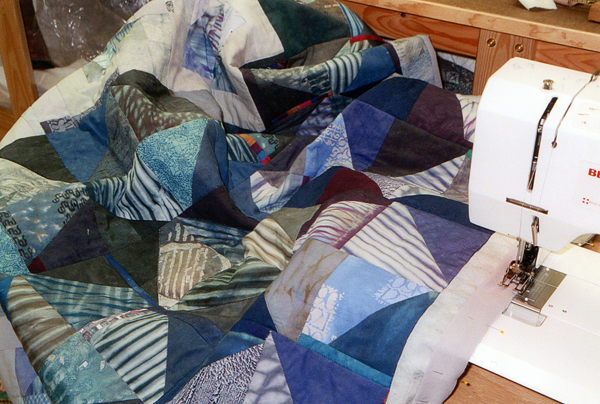
I actually have "two" studios - - one "wet" and one "dry" studio. In the wet studio, I do all of my dying, painting, screen printing, etc. In other words, "surface design." I am completely immersed when I work this way. It is always new and surprising. When I am in my quilting (dry) studio, it is a whole other frame of mind. The textiles are the raw medium, and I have to create a work of art.
What interests you about the World of Threads festival?
I am most interested in fibre that is cohesive and beautiful. I like to look at art that has order and purpose.