Artist Interview 84: Joy Walker
Toronto, Ontario, Canada
Joy Walker is an artist working mainly with screen prints on paper and using a variety of methods like cutting, photograph, stitching and drawing.
Tell us about your work?
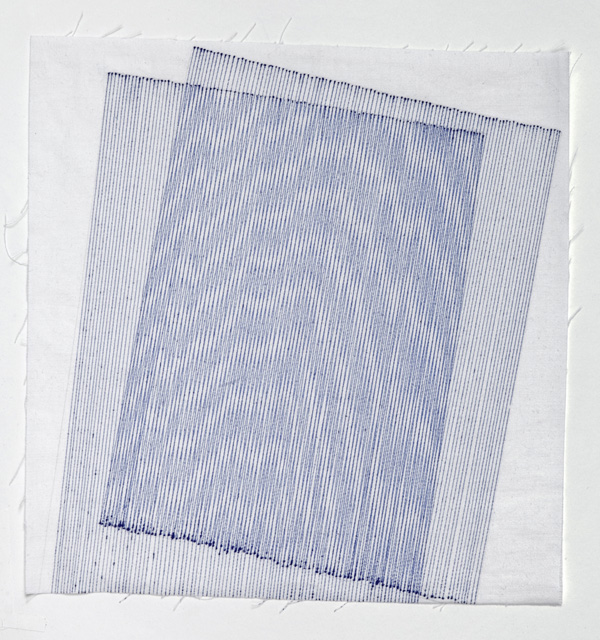
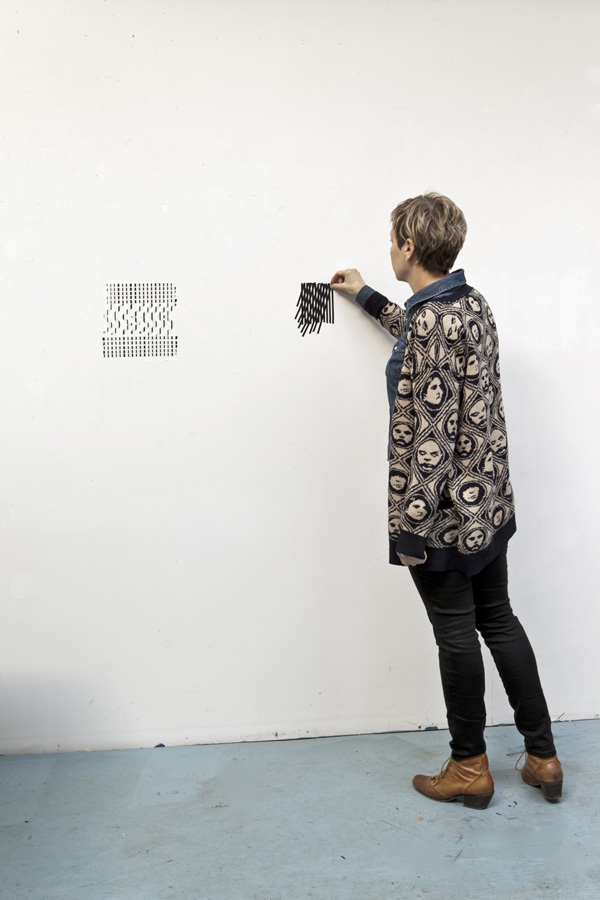
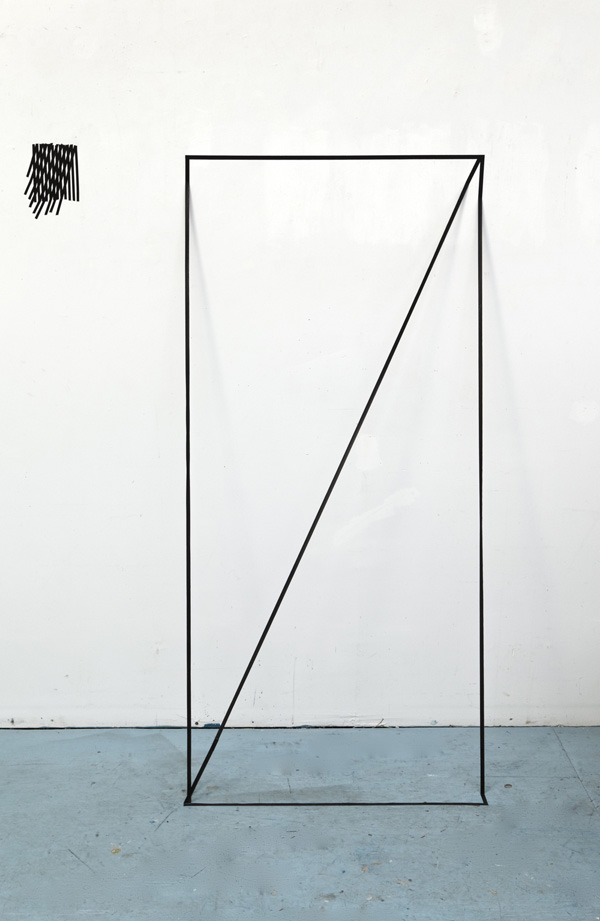
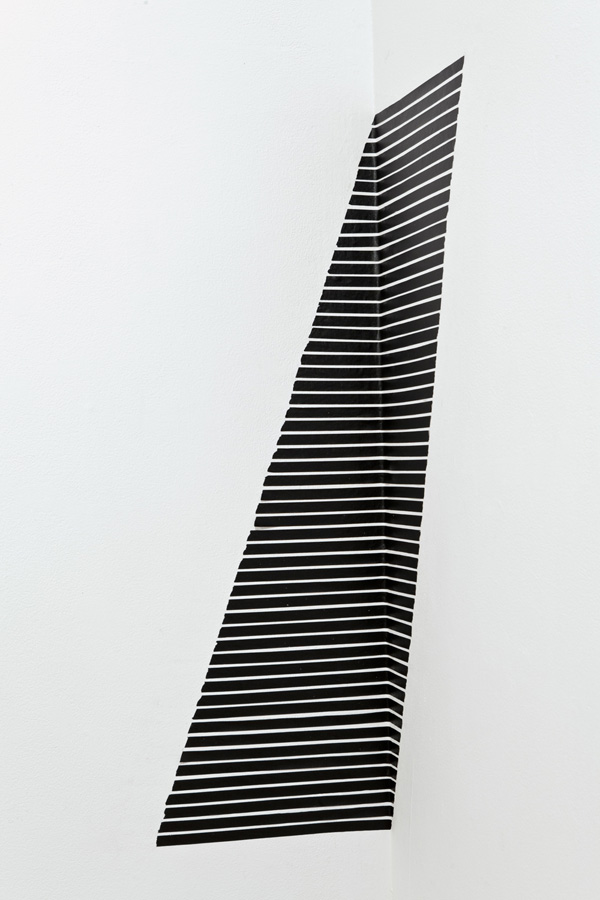
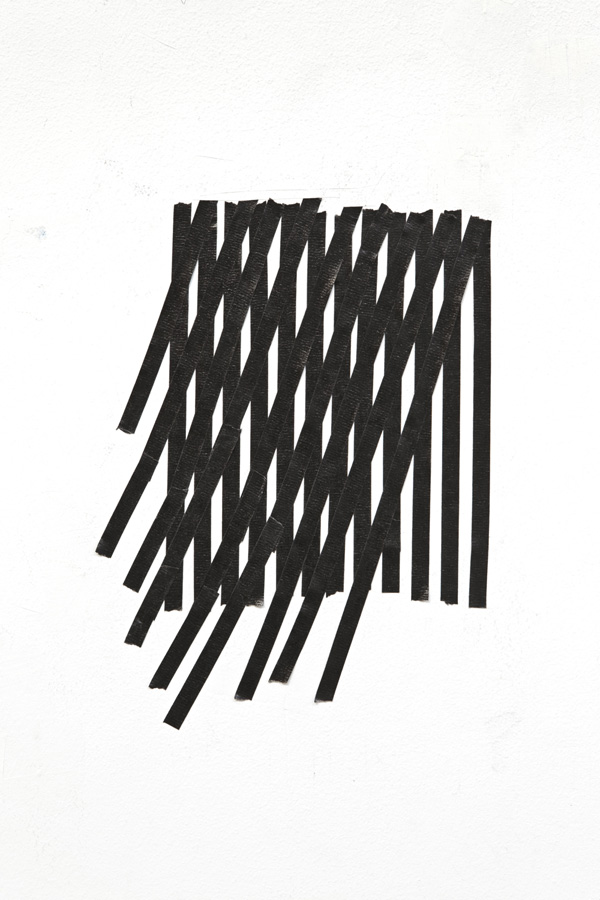
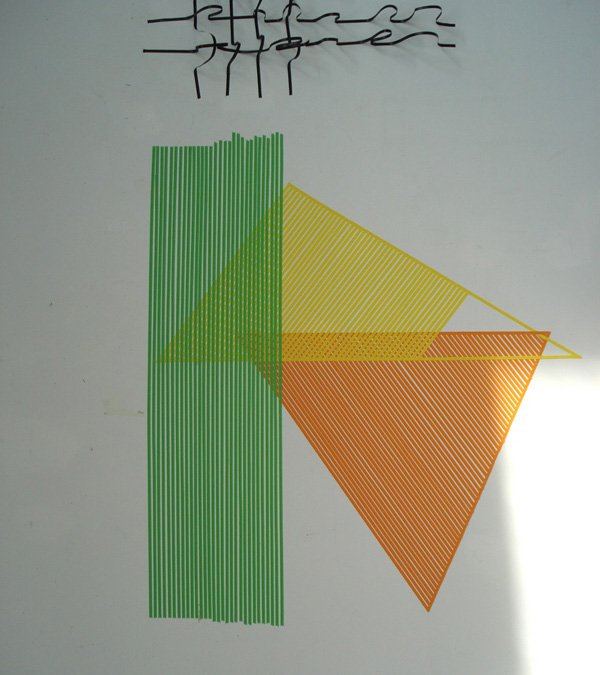
Right now, what’s really interesting to me is process - the series of actions that happen before the final work. Most recently, I’ve been making pieces with tape directly on the wall of my studio, photographing them in different stages, removing them and starting over again.
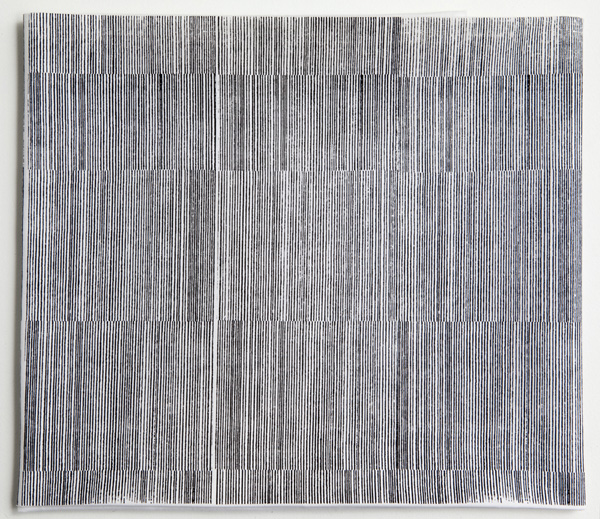
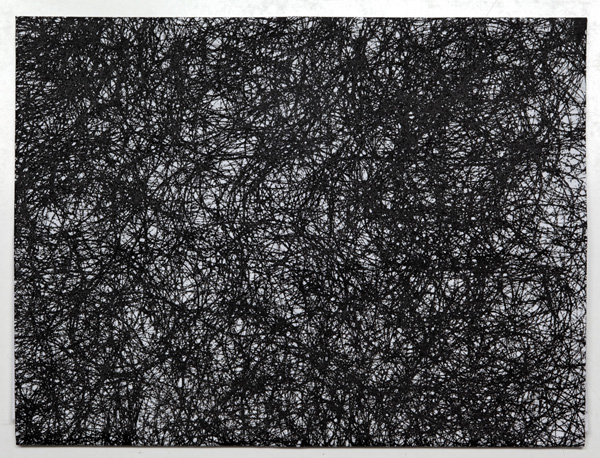
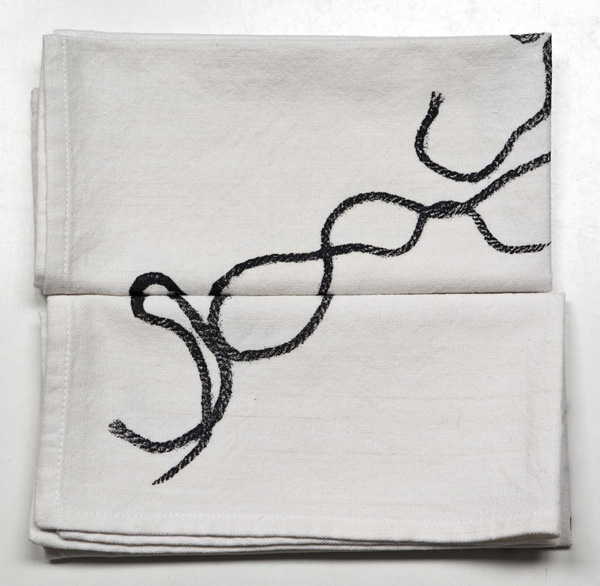
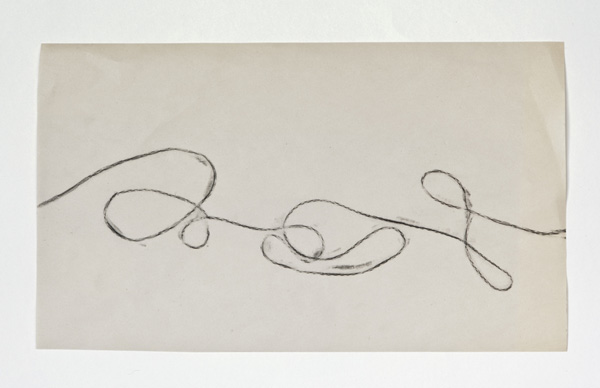
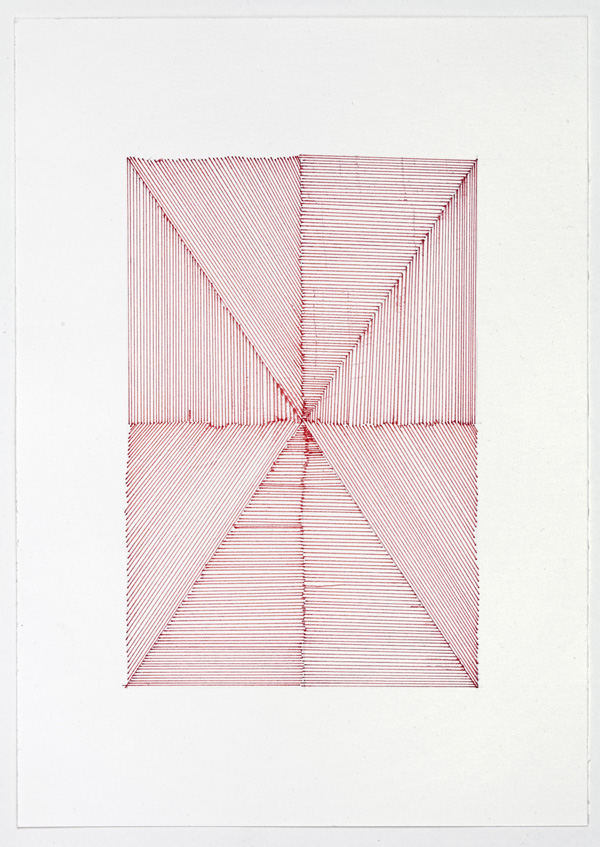
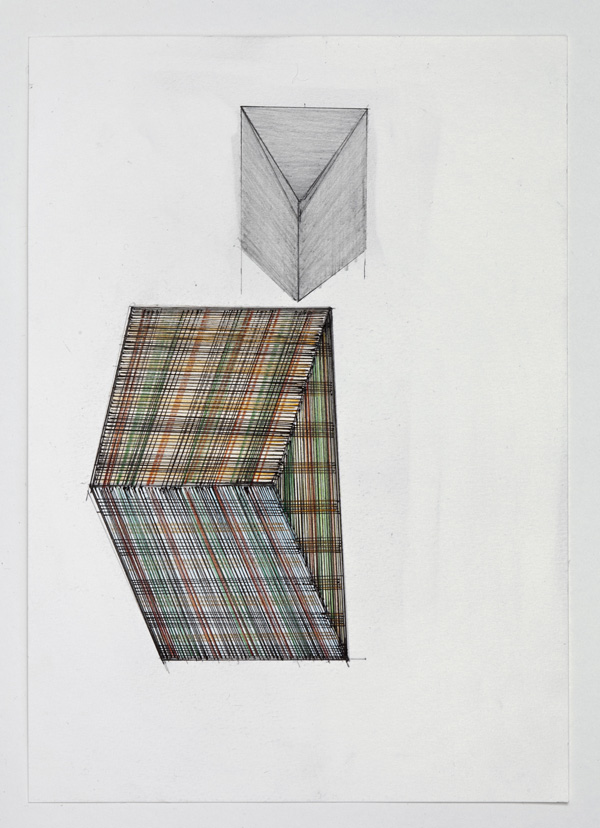
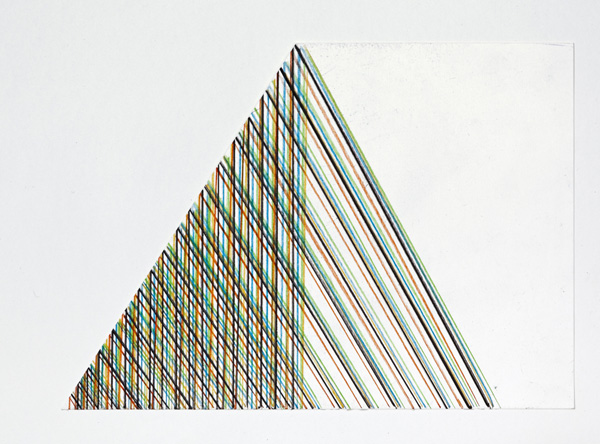
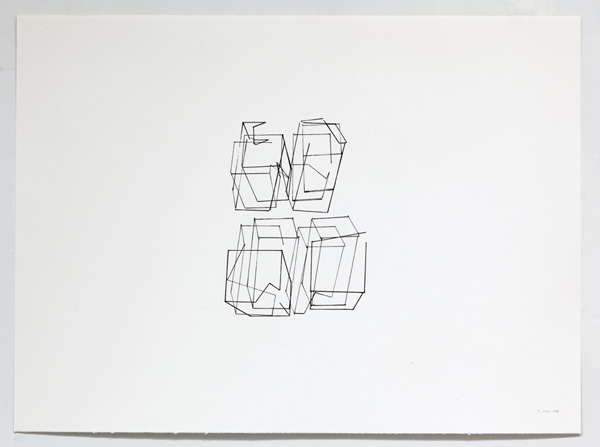
When I’m not doing that, I make mostly screen-prints on paper and my subject tends to be line.
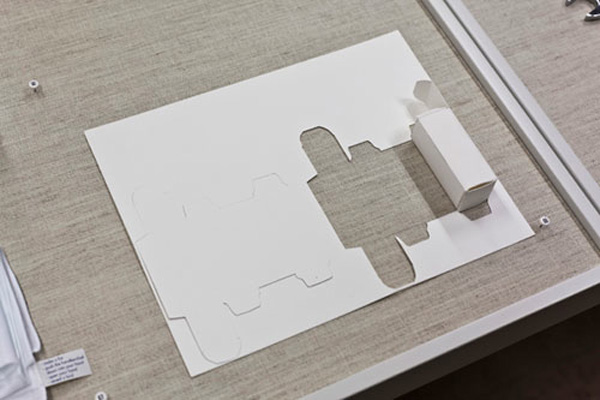
Aside from printing on paper, I use a variety of other methods like cutting, drawing, photography, and stitching.
Where do you get your inspiration?
My inspiration comes mostly from noticing common things in my daily life like colour and pattern on city streets and in nature, cast offs, signs, light and shadow on surfaces, architecture, fashion and music. It also comes from happenstance.
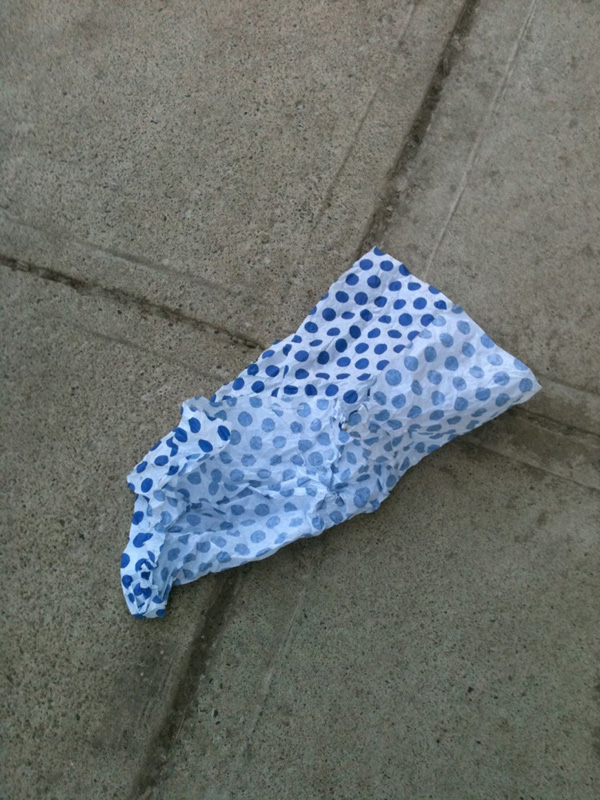
As an example, the image on the invitation for my show “Chanced”, was a photograph I took of a piece of polka-dot paper that blew across my path just as I was discussing, with a couple of friends, some potential titles for the show.
Tell us about your fibre artwork?
I don’t refer to my work as fibre artwork per se. I use any materials that are interesting to me and apply them to whatever it is I’m making. However, as a former textile print designer, I tend to be interested in material exploration, grids, repetition, colour and pattern, all things that are essential for textile design.
What other mediums do you work in, and how does this inform your fibre work?
I work mostly with paper, either as support for printing and drawing or for sculptural works. I also use tape as a drawing tool, often, directly on the wall and out into space.
What specific historic artists have influenced your work?
There are so many, here is a very short list:
- Anni Albers for transforming textiles into an art form during a period when women were not encouraged to be full-fledged artists.
- Marcel Duchamp for subverting traditional modes of artistic production and for incorporating chance into his artwork.
- Piet Mondrian for colour and line and the relationship between them.
- Ellsworth Kelly’s minimal colour field paintings.
- Sol Lewitt for the simplicity and elegance of his first wall drawings of combinations of four straight lines.
- Anne Truitt’s works on paper from the 60’s.
- The fabric works of Louise Bourgeois.
What specific contemporary artists have influenced your work?
There are so many but in keeping with the fibre art theme I would say the Gee’s Bend quilters from Alabama. Their quilts are guileless riffs on modern abstraction and minimalism. I’m bowled over by their improvisational aesthetic. I was invited to attend a workshop in Toronto many years ago with some of the quilters from Gee’s Bend; it was a memorable (there was a lot of singing going on) and (loosely) instructive experience
I highly recommend picking up the monograph “Gee’s Bend, The Architecture of the Quilt” published by Tinwood Books.
What other fibre artists are you interested in?
Toronto based:
- Kai Chan and his use of simple, everyday materials in his sculptural and wall works.
- Heather Goodchild’s felt sculptures and dioramas.
- Arounna Khounnoraj, artist, textile designer, blogger, entrepreneur extraordinaire!
- Amanda McCavour and her amazing thread drawings.
- Dorrie Millerson’s needlepoint lace bridges and other small, intricate sculptures.
- Do Ho Suh, (Korean, lives in NYC) … his large scale fabric models of architectural environments.
- Sheila Hicks, (American, lives in Paris), the book Weaving as Metaphor, designed by Irma Boom, is an amazing compilation of her miniature woven works and the most tactile book I’ve ever seen.
- Dutch designer Hella Jongerius.
What role do you think fibre art plays in contemporary art?
I think the role that fibre art plays in contemporary art is that of either reviving traditional practices such as stitching and weaving or in subverting those practices using the same techniques and materials. This is what I have observed as a studio advisor at Harbourfront’s textile studio over the past few years and I think it applies to most art forms.
Where I think fibre art differs from other forms of visual art is in how it tends to be used to express cultural history and heritage.
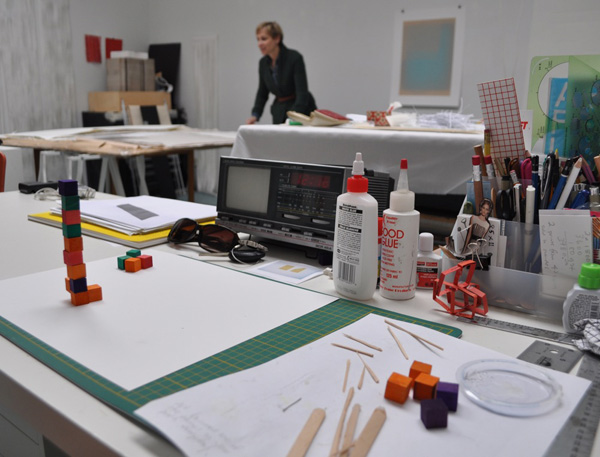
Tell us about your studio and how you work:
My studio is in a building in the Queen West area of Toronto. It’s private and quiet and has two rectangular skylights in the centre of the ceiling. I love that I get to experience the physical overhead presence of the sky in the space, kind of like being in a James Turrell artwork.
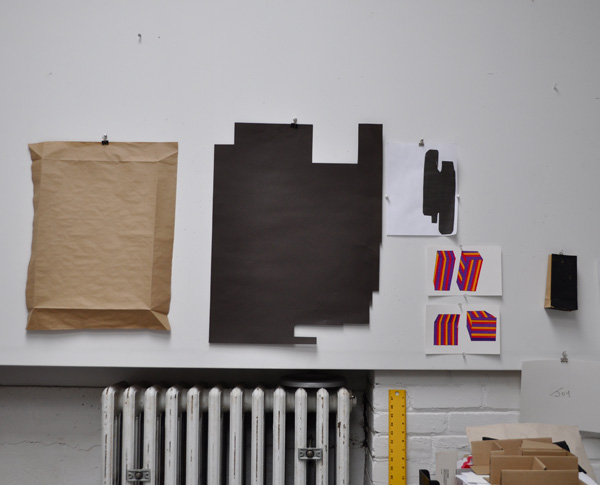
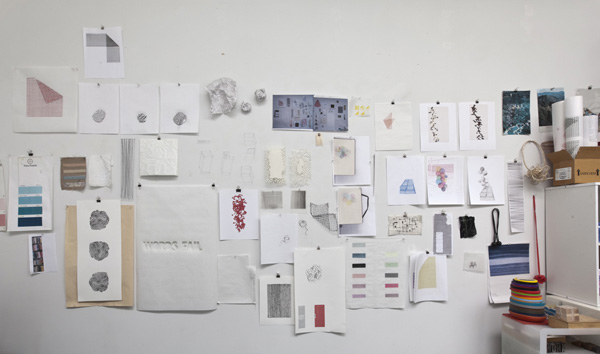
What bridges the works that you have created in differing media?
I think what connects the work is pattern and repetition.
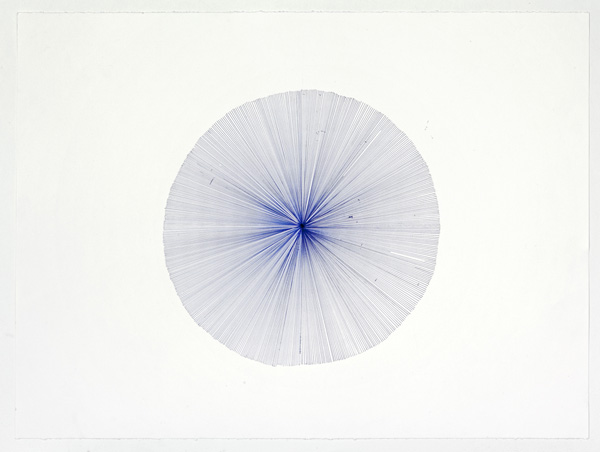
I was showing her a “pattern repeat” at three years old.
When did you first discover your creative talents?
I was told by my mother, that when I was three years old, we were waiting in a pediatricians office with kids screaming and clamoring all over the place. She said I sat quietly staring at the wallpaper, as if in a trance. Apparently, I finally got out of my chair and pointed out where the pattern on the wallpaper started and where it ended. I was showing her a “pattern repeat” at three years old; she said she almost fell out of her chair! I guess it was no surprise to her when much later I decided to study surface design for textiles.
When you were starting out, did you have a mentor? How did your mentor help you with your artwork and in what ways did the mentor guide your art practice?
I guess it would have to be my uncle Peter, who was very interested in photography. When I was a teenager, we would go out on weekends and shoot rolls of 35mm film and then develop the film in his darkroom. I liked that he never tried to tell me what to shoot; he just gave me the basic instructions on how to use the camera and left me to choose my subject and composition. I learned through trial and error and many long hours in the darkroom. We also shared a love of textiles. He was a clothing manufacturer, so we spent lots of time looking at new fabric swatches he was considering using for various items of clothing.
How did you start showing your work in galleries?
I approached galleries directly, bringing along slides, dropping off packages, etc. Also, I had completed a 3-year artist residency in the textile studio at Harbourfront Centre. During that time, we had opportunities to show our work in the various galleries in the York Quay Centre, often through a juried process, so that was helpful in terms of preparing submissions.
What do you consider to be the main factors to a successful career as an artist?
A strong sense of self, a sense of humour, a community of artists that offer moral support and help with connecting you to gallery directors and curators. It also really helps to have a partner in life who is also an artist and who understands the emotional turmoil of it all … thanks!
