Artist Interview 80: Xia Gao
East Lansing, Michigan, USA
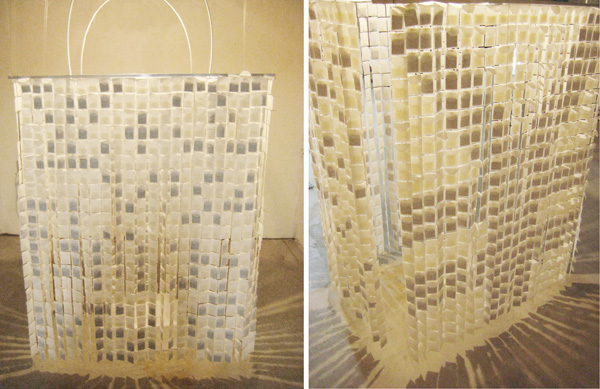
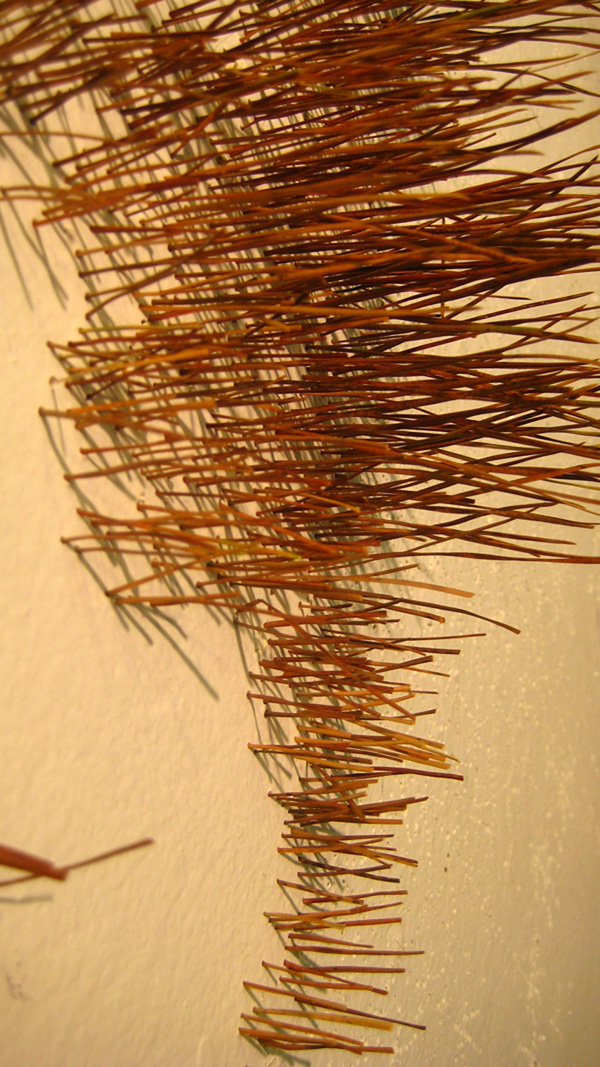
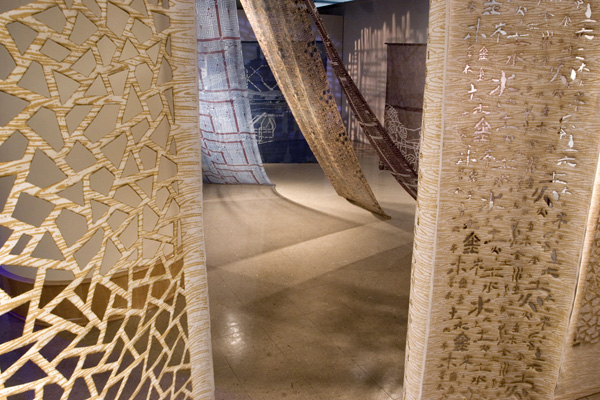
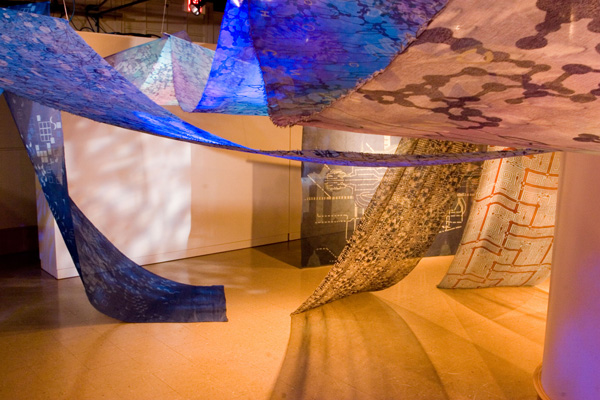
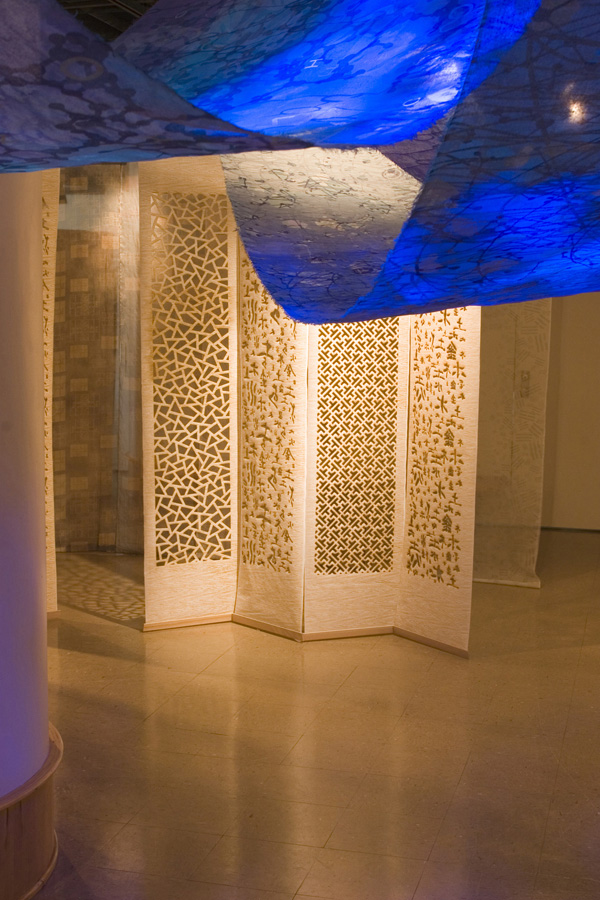
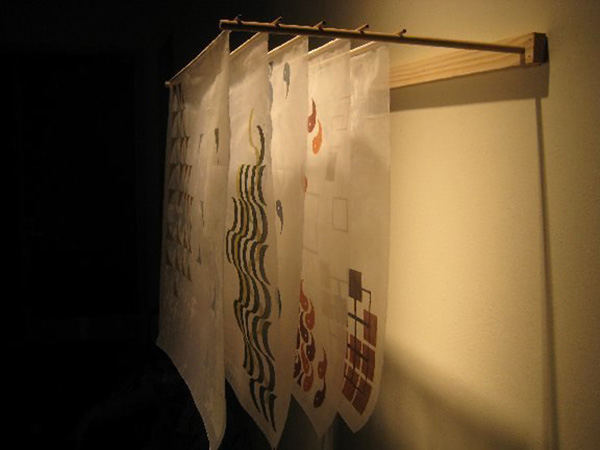
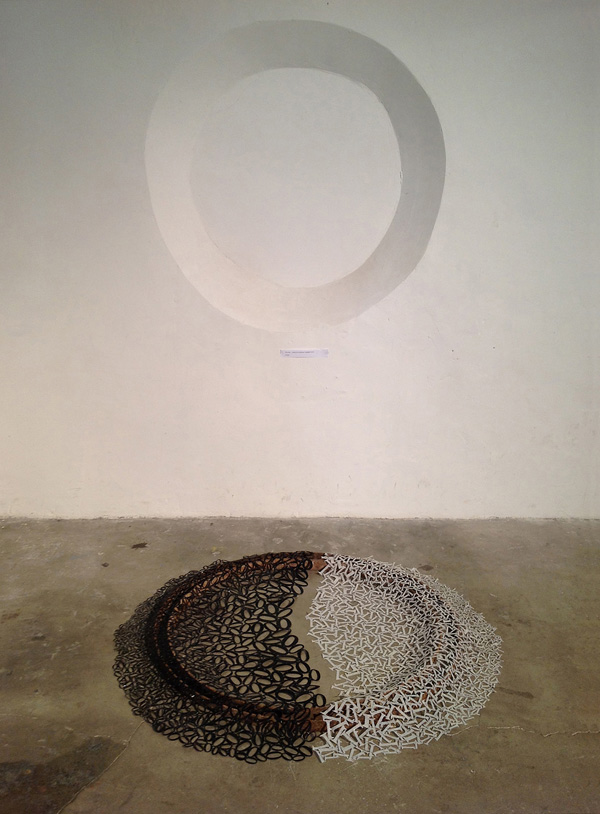
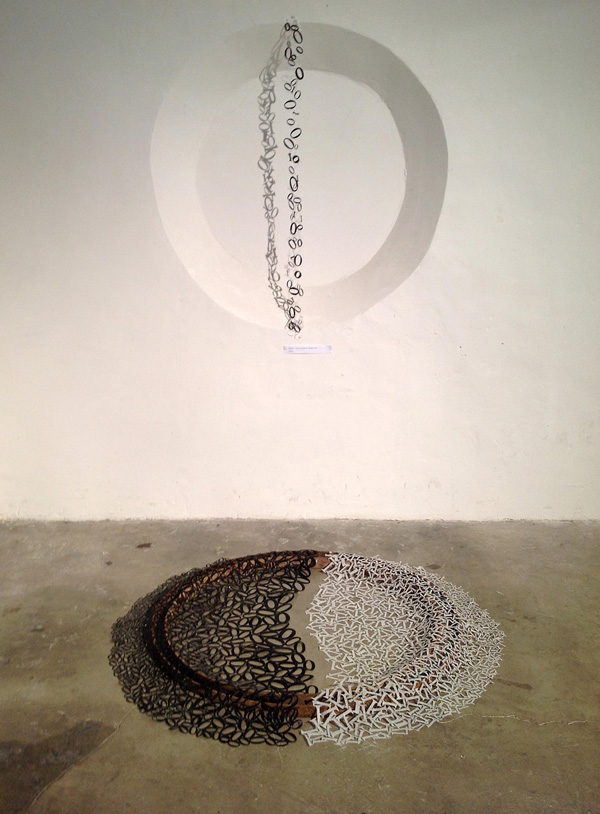
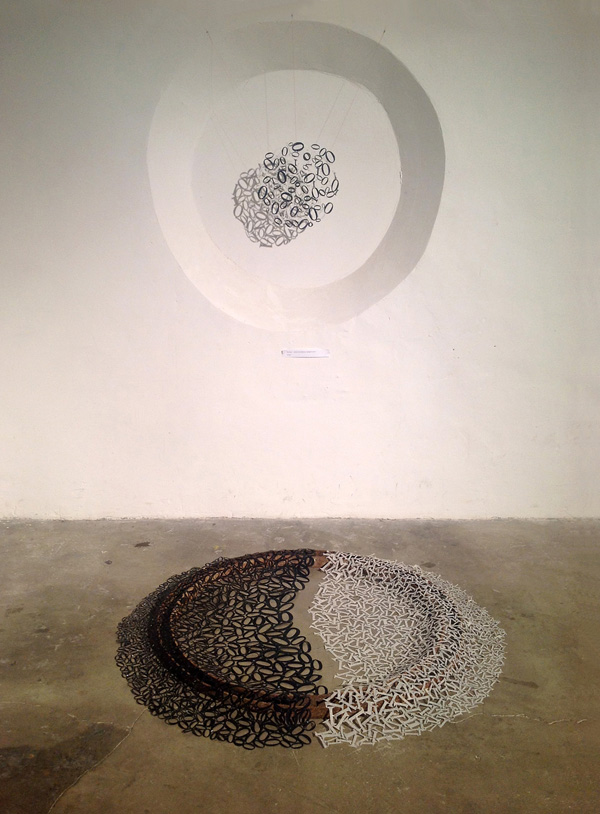
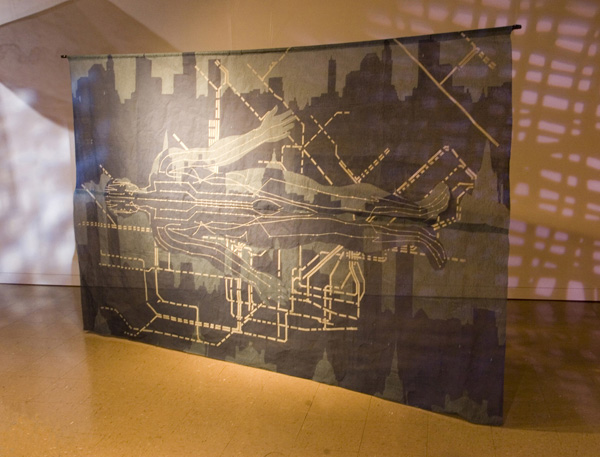
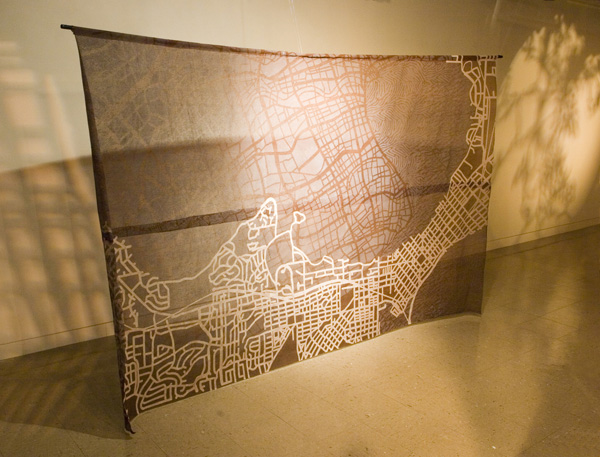
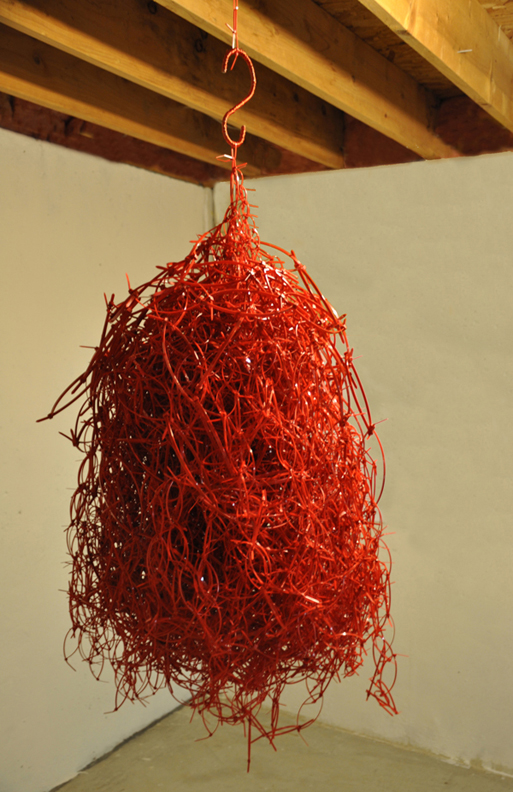
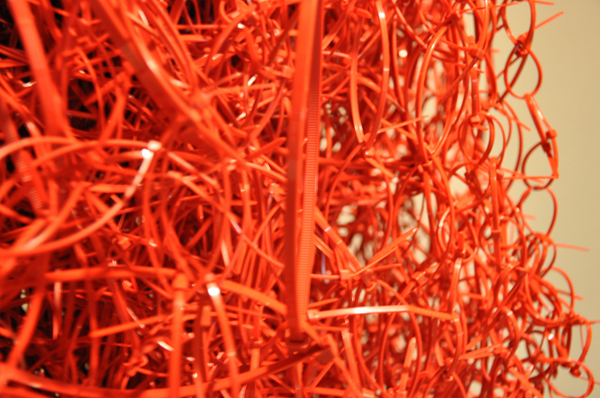
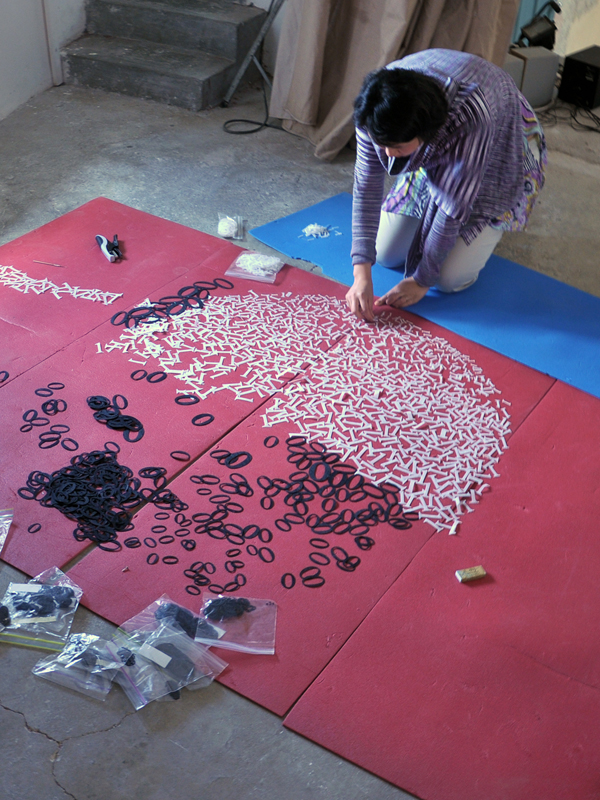
Using broadly defined fibre materials and engaging a textile/fibre way of making, Xia creates 2D and 3D works and installations. Ofter labour intensive, repetitive and mediative, her work shows a respect for textile/fibre tradition, but is free from traditional categorization. Her work often starts with an idea or concept, followed by research and experimenting on materials and technique. Xia’s work reflects on her personal experiences, conversations between East and West, nature and culture, past and present.
Tell us about your work?
I do concept-based textile/fibre installation, 2D, and 3D works. My work has also been categorized in printmaking, sculpture, and installation. I use broadly defined fibre material and engage textile/fibre way of making, which is often labour intensive, repetitive, and meditative. My work shows the respect of textile/fibre tradition, but it is free from traditional categorization. It follows a more academic approach to investigate in creative scholarships and expressions towards fibre/textile. I am currently an Assistant Professor in the Department of Art, Art History & Design at Michigan State University.
Previous World of Threads Exhibitions
Xia Gao exhibited in three shows in the 2012 Festival. The major festival exhibition Quiet Zone, a solo installation Webbed and in the group show THREADSpace: Threading the 3rd Dimension. For Festival 2016 she was in the major exhibition Cosmic Geometry.
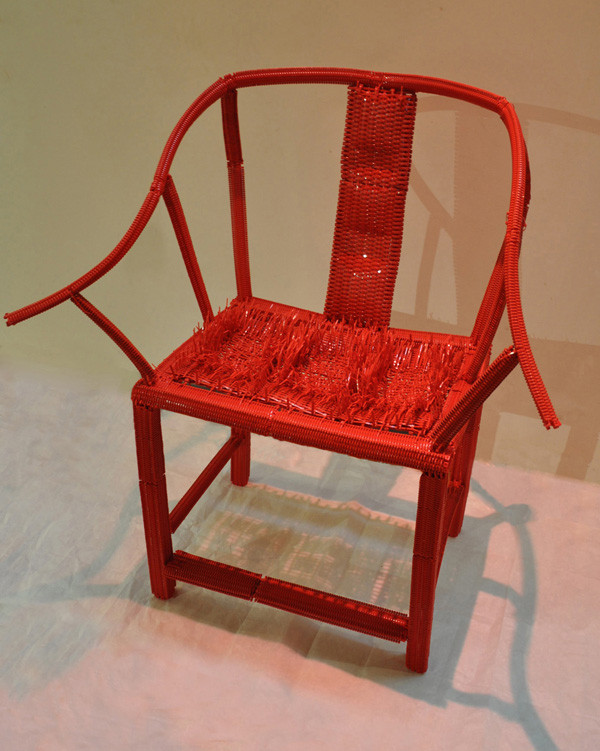
The conversations between East and West, nature and culture, past and present are recurring themes in my work.
Where do you get your inspiration?
My work reflects my personal experience and my renewed connection to Chinese culture. Geographic migrations and relocations brought me new insights into life, my oriental origin and cultural tradition. Changes and transformations in my own life and Chinese culture have been my inspirations for my projects. The conversations between East and West, nature and culture, past and present are recurring themes in my work.
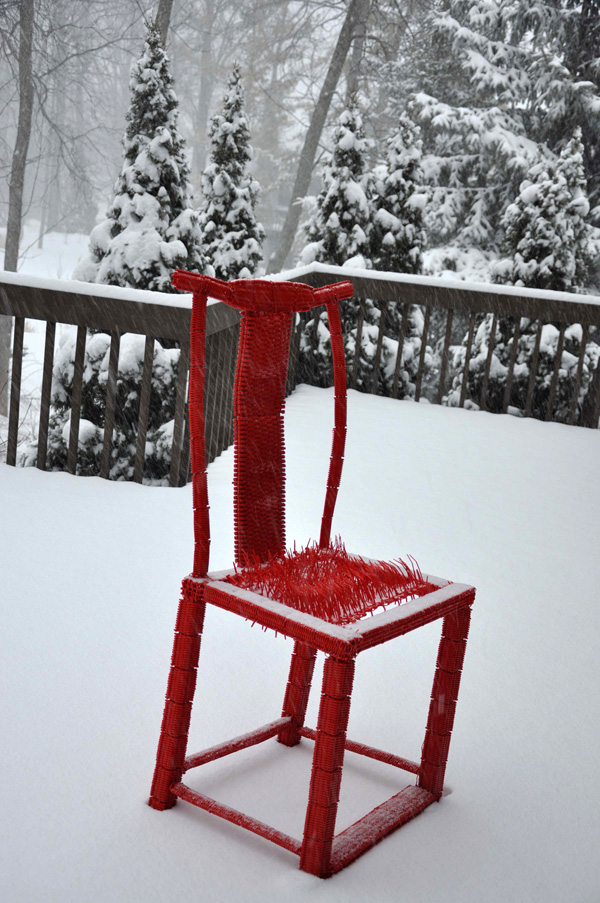
I enjoy the freedom of self-expression in art compared with design in general, and the challenges and comforts I find in fibre art.
Why did you choose to go into fibre art?
I previously studied and taught Fashion/Apparel Design at the China Textile University in Shanghai, China. After my family relocated to the University of Wisconsin-Madison for my husbands' PH.D study, I was offered a Teaching Assistantship to do MFA study in the area of Textile Design and Art, where ironically, I learned all traditional textile techniques which I didn't learn when I was in China. Even our program at the UW-M is situated within the Department of Design Study. It follows pretty much an art approach in teaching and has a good connection with the Art Department. My professors like Diane Sheehan, Jennifer Angus and Sonya Clark are all great artists. I loved how much I can do with textile/fibre medium and continued afterwards. Overall, I enjoy the freedom of self-expression in art compared with design in general, and the challenges and comforts I find in fibre art.
What other mediums do you work in, and how does this inform your fibre work?
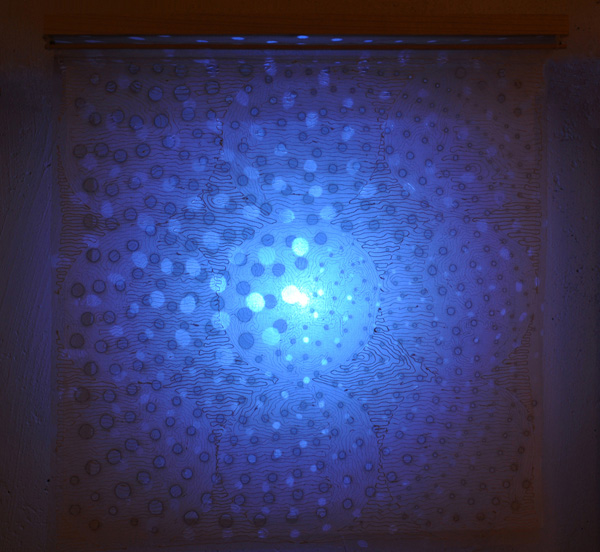
Besides apparel design, I did a little bit of graphic design and interior design with AutoCAD rendering and I taught display design once. All design disciplines share similar fundamental theories and principles; it is just the language each area speaks which leads to the different outcomes. My initial interest in textile laid not so much on its physical comfort and decorative function, but rather in its interaction with space. Surface imagery, often in repetitive patterning, played an important role in my work. Both graphic and interior design provide me additional perspective, skill, and strategy to interpret ideas and to approach imagery and spatial challenges. I also employed theater lighting in my work and did printmaking on paper. My learning and practices in other media have fed my fibre work in one way or another. Generally speaking, I am interested in cross-disciplinary and mixed media work, which would push my fibre art towards diverse expression.
What bridges the works that you have created in differing media?
Most of my works, if not all of them, express concepts or ideas and reflect my perspective and esthetic, which bridges the works that I have created in differing media. My works all aim for finding effective visual strategies for an expression of ideas.
Which is your favourite fibre medium?
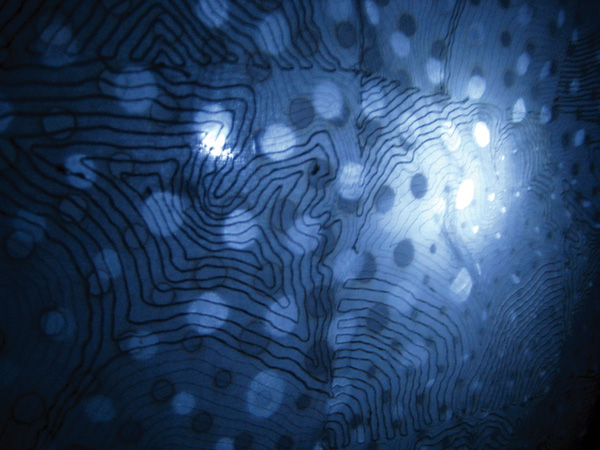
I like many kinds of fibre medium. I have used silk organza, stiffened cotton, and nonwoven synthetic fibre quite often in my work. I have no particularly favourite one. My fibre medium choice is based on my concept and experimentation needs.
What specific historic artists have influenced your work?
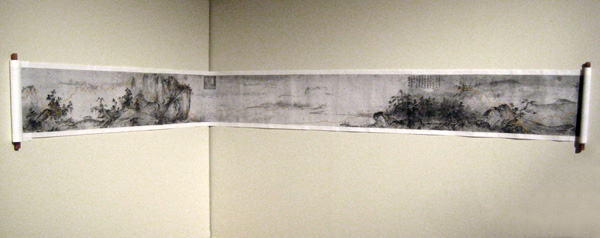
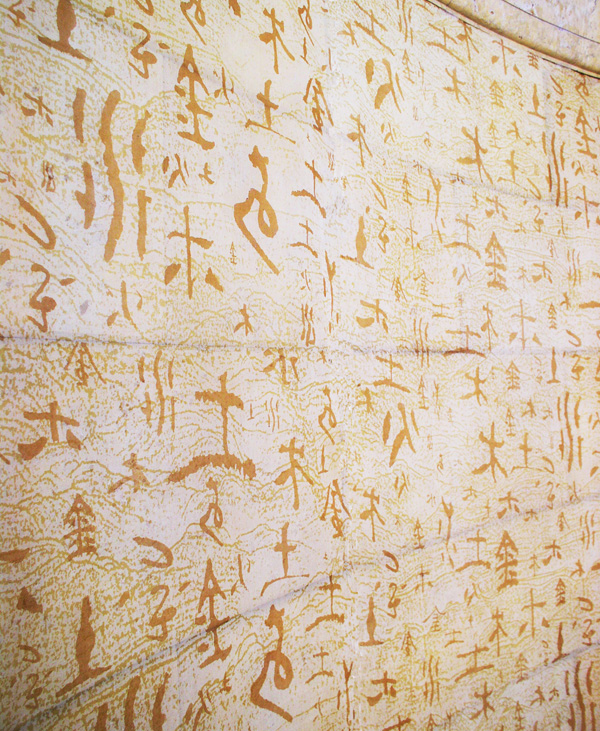
I look into a lot of traditional art forms, like ink painting, ceramic, architecture, craft, and folk arts. For example, I would take a traditional symbolic pattern or ink painting by Chinese Song dynasty court artist Xia Gui ((active 1200-ca. 1240) into my own interpretation. The influence of historic art on my work is majorly from Chinese culture and more about general, spiritual, esthetic and philosophical imprints, not so much about one single specific historic artist.
What specific contemporary artists have influenced your work?
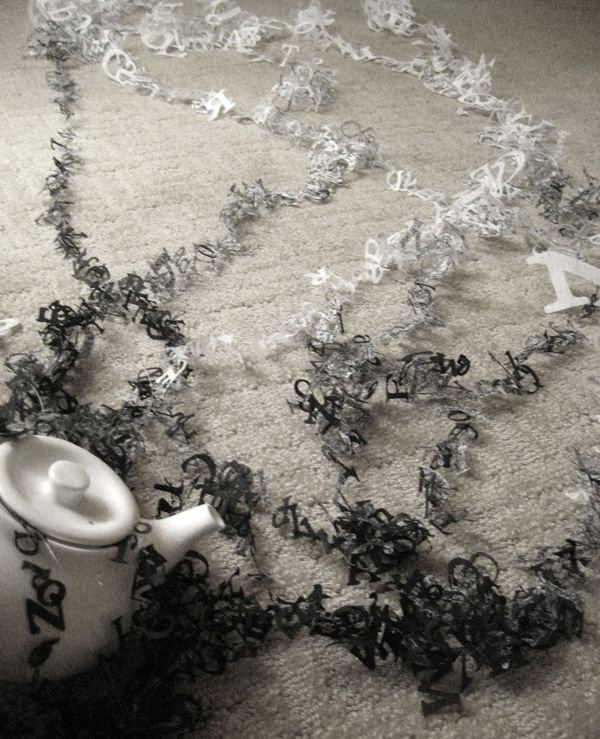
My work expresses personal and cultural adaption and transformation in the medium of textile and fibre. My interest in textile was centered in the textile's interaction with space. I had looked into contemporary artists whose work presents these elements. Internationally known Chinese artists, such as Xu Bing and Wenda Gu share similar cultural roots and transplanted experiences as I have. Their works address the cultural confronting and mingling and interact with space. Even though they are not considered as fibre artists, the work like Xu's The Glassy Surface of a Lake and Gu's United Nations channeled much fibre spirit and information to me. More importantly, the conceptuality and visual impact are solid in their work.
Works from American artists Maya Lin and Ann Hamilton also attracted my attention for the sensational translations of thoughts in stunning forms and formats. I am more interesting in overall contemporary art than just contemporary fibre art.
What other fibre artists are you interested in?
I am interested in fibre artists who push the envelope and boundary of fibre art practice, like Chicago based artist Anne Wilson. She works across disciplines and her works challenge contemporary cultural and social issues.
I also think that fibre artist Sonya Clark's works present interesting investigations into material, object, and cultural heritage, such as her piece Pearl of Mother. Clark is now the chair of the Craft/Material Studies Department at Virginia Commonwealth University in Richmond, Virginia.
In addition, I am naturally interested in the work showing the blending of East and West cultures and esthetics. Bloomington, Indiana based American fibre artist Rowland Ricketts's work came to my interest by this nature, and his approach to the textile tradition of natural dyeing and weaving presents delightful celebrations of tradition in contemporary esthetic and expression.
What role do you think fibre art plays in contemporary art?
Fibre art is now quite active in China, but it is still kind of marginalized by mainstream Chinese contemporary art. This might reflect a slight sense of the whole picture of fibre art's role in contemporary art. But, I believe that fibre art can play a very active part in contemporary art, as it is a very vital, flexible, versatile medium. For me, as a visual artist associated with an art form which has a strong craft tradition, what matters is to emerge out of tradition and to reflect contemporary themes and issues in new expressions. I have seen that many insightful and experimental fibre artworks or works with a fibre component make a strong presence in the contemporary art scene.
Can you talk a bit about the commercial viability of fibre art and do you find it more difficult to show and sell your work than non-fibre artists?
I have little experience on the commercial side of fibre art. I don't think I have more difficulty to show my work than non-fibre artists. It was somehow difficult to show a room or large-scale installation in a group exhibition, but it was relatively easier to present them in a solo exhibition. At this point, I aim more for showing not much for selling. I can imagine that the installation work, in general, is harder to sell than those ready to own artworks.
What is your philosophy about the Art that you create?
Art to me is finding creative and effective visual strategies to convey or express an idea.
Are you attempting to evoke particular feelings in your audience?
I usually express my own commentary in my work towards a selected theme or topic. I would like my work not to speak in a very straightforward way and to give my audience room for personal interpretation. I want my audience to look at my work, pause, and think.
When did you first discover your creative talents?
If drawing is considered as creative talent, I enjoyed drawing when I was in elementary school and treasured my own drawings. I applied for an art major at vocational school even without my parent's notice. I have been trained and engaged in creative fields since then. For me, creative talents start as natural instinct and get trained along with the education and practice.
Where did you train and how did your training influence your art?
I received a BA in Fashion Design, and a ME (Master of Engineering) in Apparel Design from the Fashion Institute of China Textile University (now named Donghua University) in Shanghai, China and MFA in Textile Art and Design from the University of Wisconsin-Madison. Overall, I have longer design training than art training. My training in China prepared a creative platform and allowed me to pursue different directions. My training at UW-M got me into more contemporary art learning and practice, which still shapes my art and teaching greatly in terms of method and approach. Both schools prepare its students to be keen in the field.
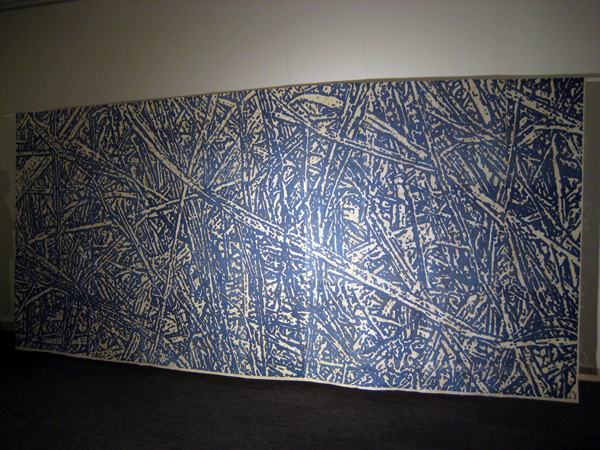
I keep reflecting my cultural heritage and social contemplation, and engaging broadly defined fibre medium in my work.
Please explain how you developed your own style.
I considered myself being easily influenced by other artists. But I still see my work with its own style. Even though artists might address on the same popular broad topic and share similar views, each artist should be unique in his or her interpretation with different training, skill set, and life path. My own style is developed when I internalize ideas, information and inspiration, and then interpret with (visual) languages which I am interested in and have control over. My visual strategies might be varying, but my focuses remain consistent. I keep reflecting my cultural heritage and social contemplation, and engaging broadly defined fibre medium in my work. These roots and components help me to build an identifiable body of work.
How does your early work differ from what you are doing now?
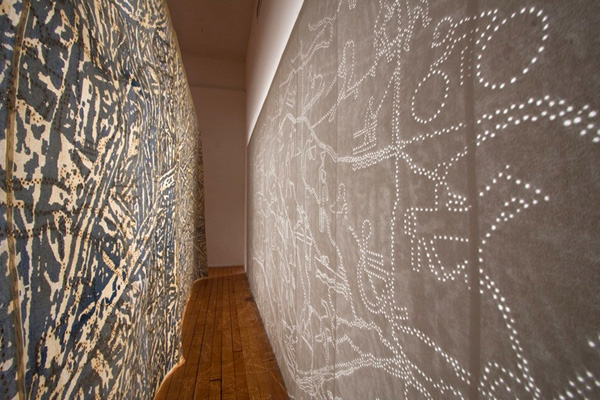
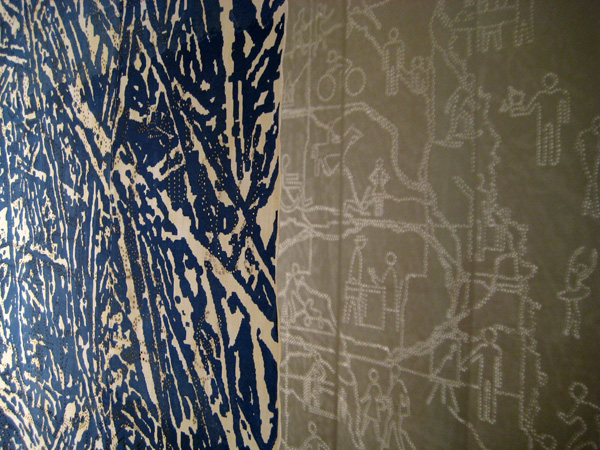
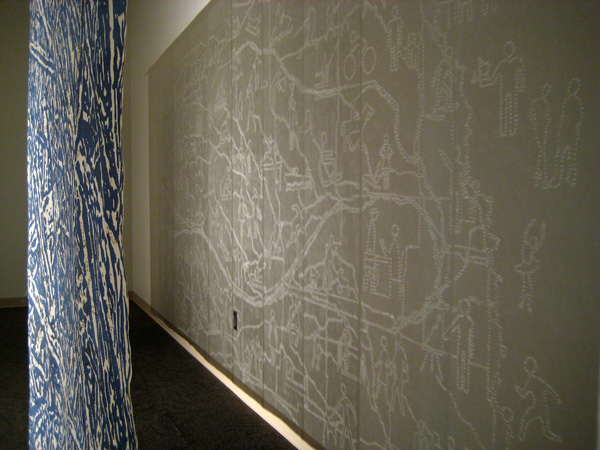
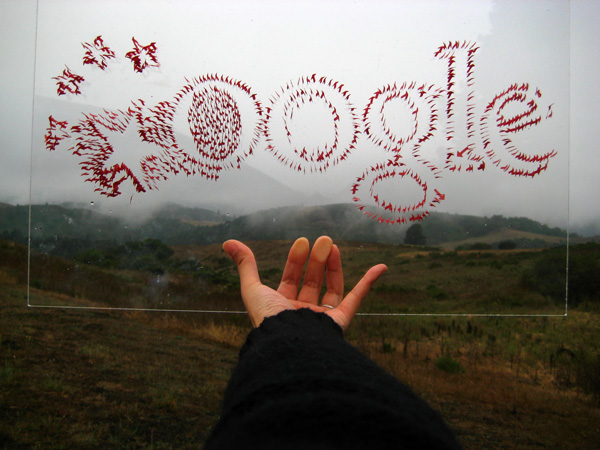
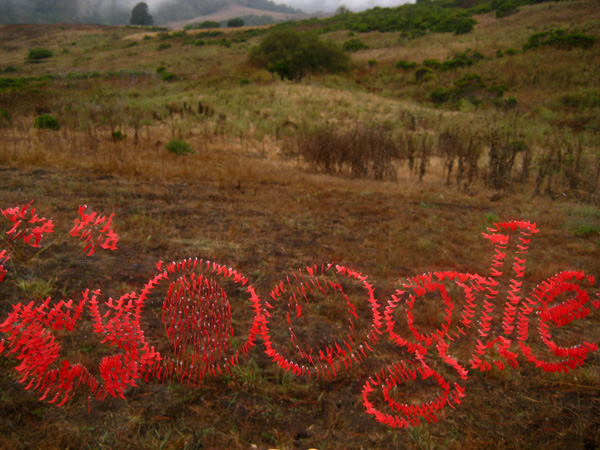
My early work played textile's interaction with space. Even though textile panels sculpture spaces, the individual piece is still fundamentally two-dimensional with a surface image as major language to convey the meaning. Material choice worked for my concept, but it wasn't the center of play. I developed more interest in the use of materials over the years, particularly after my Djerassi artist residency. My work now involves deeper with material study, broadly defined fibre materials, and experimentation to construct 2D, 3D and installation work. My early works tended to address big issues, now I feel conformable to shift my attention between something more intimate and something more socially important.
Have you experienced fluctuations in your productivity and how have your expectations changed through the years?
I had experienced fluctuations in my productivity when I was out of my professional loop or communities and when I was much occupied by teaching. I have a general career goal to be an established artist and educator, which has still remained the same over the years, but my expectations have been adjusted based on life situation, job shift, and reflection. On the one side, I follow my inspiration calls to produce works; on the other, I schedule deadlines to push productivity to reach my expectation.
Tell us about your studio and how you work:
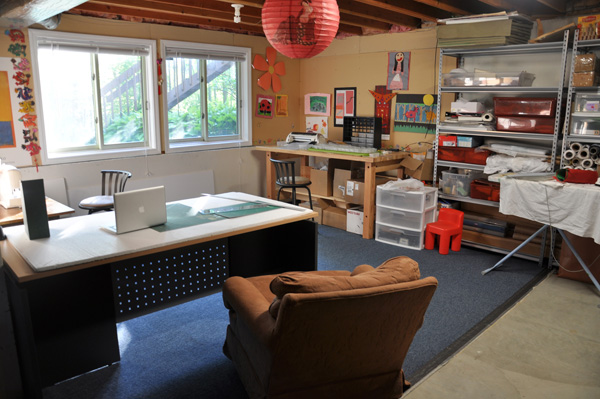
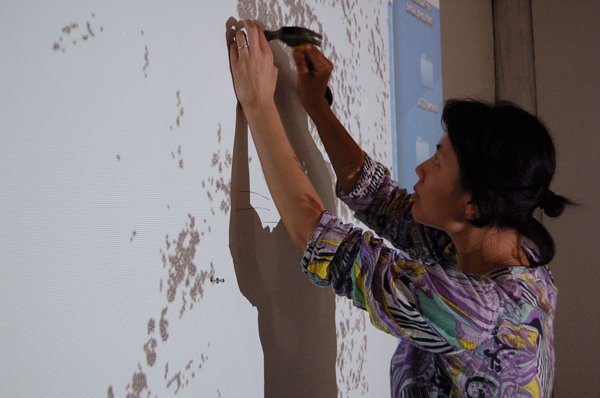
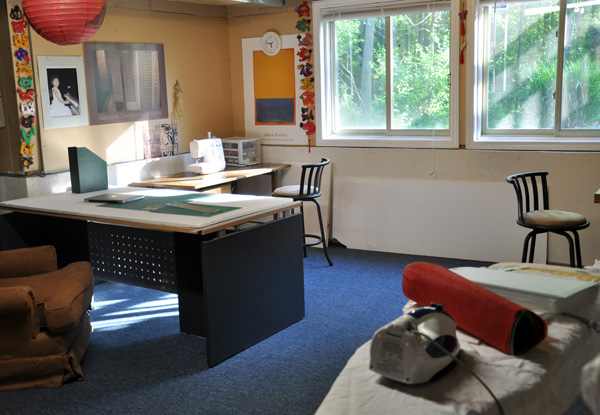
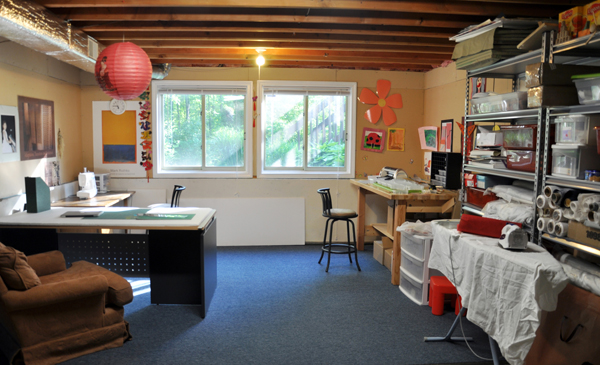
I have a home studio in my basement, but I also work in the family room and dining room. If a project demands less on equipment and space, like favored, I would carry material with me, and work a bit between my job and family chaos. I do non-printing work at home and artist residency studios. My printing works were produced at school studios. My work often starts with an idea or concept, and then I explore visual solutions with research and experimentations on material and technique. During regular semesters, teaching, service, and all kinds of applications and show participations can keep me quite occupied; summer is usually the time to work more in studio and do an artist residency.
What interests you about the World of Threads Festival?
Showing my work in Canada and to become associated with the fibre art society of Canada. I visited Toronto last year for the first time and realized how diverse cultures are in the city, which attracts my attention. I also know Canada fibre artists are quite active in the international art scene.
Is there something else you would like us to know about you or your work?
I would like to express my appreciation to my professors and colleagues who I have worked with. I was very fortunate to work at nice universities and have great mentors and department heads in my career. The support and funding from universities and the external art community are instrumental for an emerging artist and educator to grow. And, the support from family is always important; I cannot carry out my art plans without their patience and tolerance.
Where do you imagine your work in five years?
I aim to make active participation of influential international fibre and mixed media exhibitions at prestige showing venues with increased recognition. I also would like to bridge fibre art education and practice between China and the West. In this direction, I have made connections with Chinese fibre artists and educators through exhibition and conference, and presented related topic at the Textile Society of America 12th biennial Symposium in Lincoln, Nebraska, USA. This coming September, I am going to present another related topic "Textile's Expression and Implication in Contemporary Chinese Art " at TSA 13th Biennial Symposium in Washington, DC.
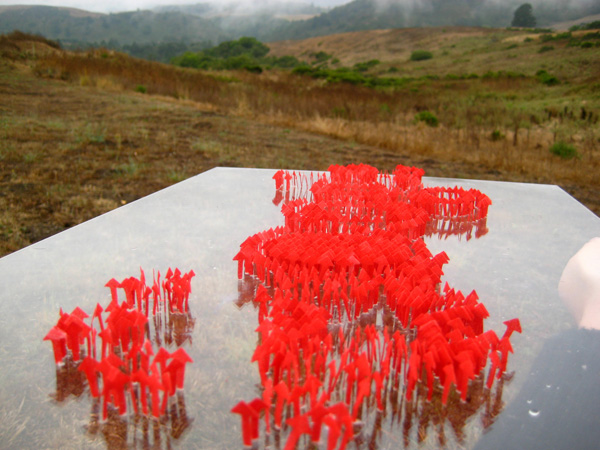
I introduce competition and exhibition opportunities into my course instruction.
You do a lot of teaching in the arts. Tell us about that.
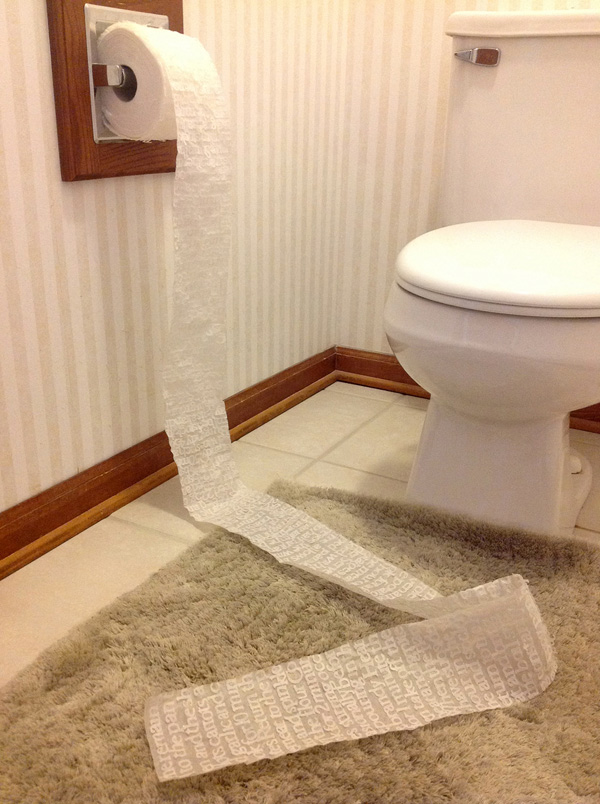
I majorly teach design studios, which are instructed in a similar way as art studio. I emphasize concept, process, and critique in my teaching. I had teaching experience at universities both in China and the United States. Teaching art/design studio is enjoyable and challenging as well. Sometime, the challenge is more pronounced at a new environment, particularly when it is overlaid with cultural and language barriers. However, these challenges also enriched my life experience; some are translated into my work, such as Speech.less, which expresses my feeling when I was placed into a new teaching environment. Teaching art and design not only hones my knowledge and skill, but also gets me into frequent discussions and perspective exchanges. It is very rewarding to see great projects come out of course instruction and to observe students' growth. I introduce competition and exhibition opportunities into my course instruction. In this way, students can express and discover their talents beyond course and campus. It is really delightful to work with young adults and shape their perspective in a certain way. I would also like to identify motivated talents in teaching and push them to achieve greater success.
How did you initially start showing your work in galleries?
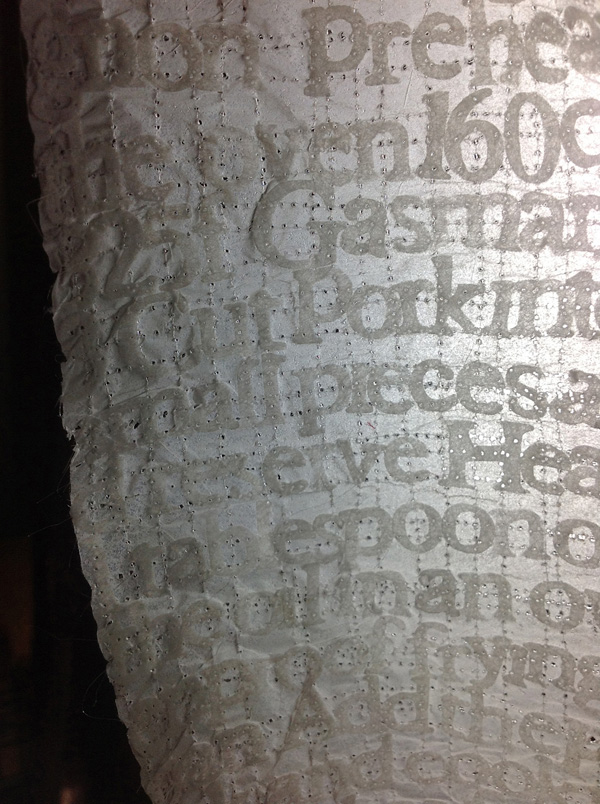
I had some gallery exhibitions with all sort of opportunities when I was in China. I started more regularly showing when I did my MFA study at the University of Wisconsin-Madison. There was an annual student work juried show, with outside jurors and some other showing opportunities on campus and beyond. My professors encouraged me to make submissions, which turned out as encouraging experiences for me. I participated in annual student work shows three times when I was in graduate school and won exhibition awards in textile in two of those years. My course works from architecture/interior AutoCAD rendering and printmaking were accepted into nationally juried exhibitions, which were delightful surprises for me. For my initial showing start, I owe much to my dedicated and encouraging professors.
What project has given you the most satisfaction and why?
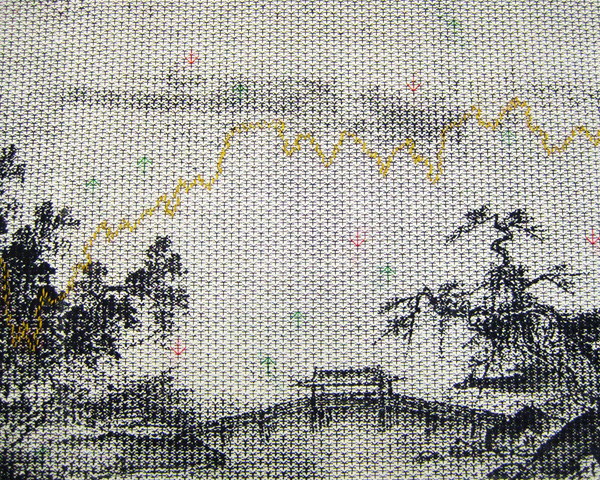
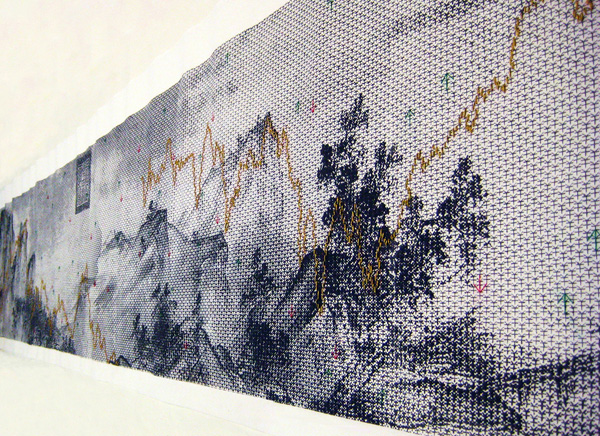
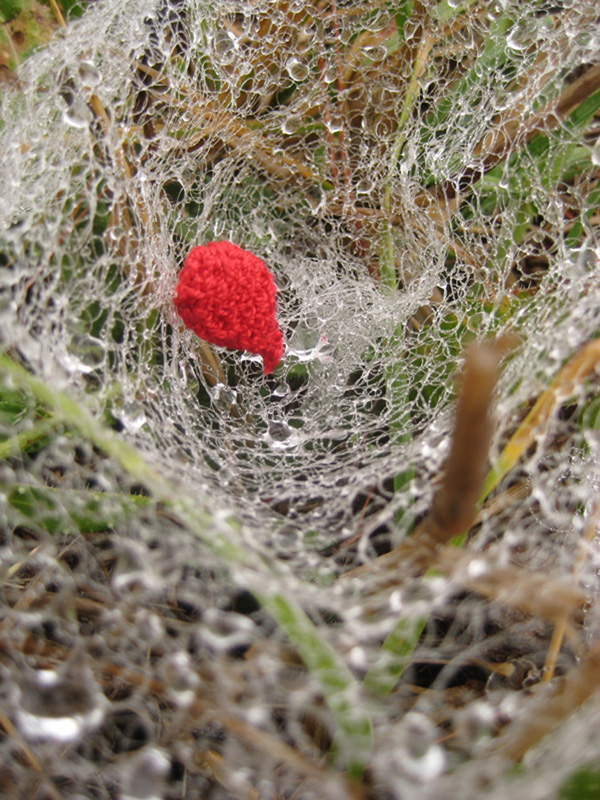
Many projects gave me satisfaction for achieving what I wanted to express in the work, for example, Mountains & Streams, Secular and Pecuniary. This piece conveys my commentary of economic-entered social values in current China in a particular format I searched for long time. This work is not only conceptually sound and precisely addresses my points, but also presents technical experimentations, where traditional skills-hand screen printing and stitching integrate with innovations-digital image manipulations. In this piece, I developed my own language to touch on a popular social topic and added my own unique voice to a large conversation. It has been well received in fibre art venues and mixed media contemporary art venues as well.