Artist Interview 30: Rochelle Rubinstein
Toronto, Ontario, Canada
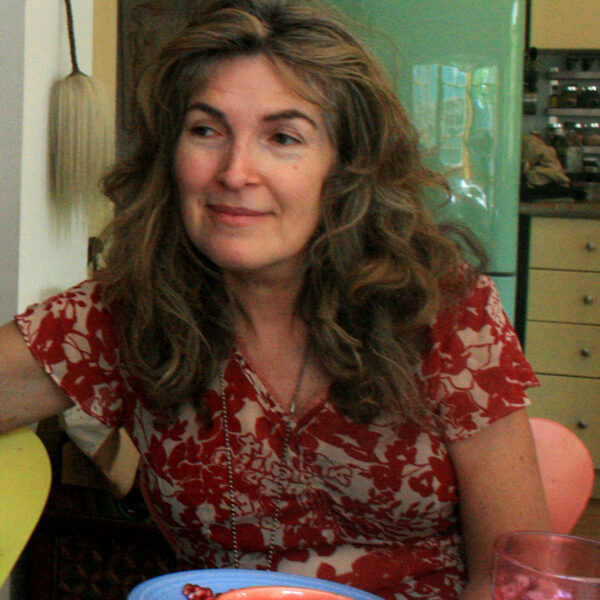
Based in Toronto, printmaker and fabric artist, Rochelle’s work ranges from wall hangings to standing columns, to bed quilts. As a community arts facilitator, her projects and workshops involve groups such as health workers, battered women, people with eating disorders and youth at risk.
Tell us about your work?
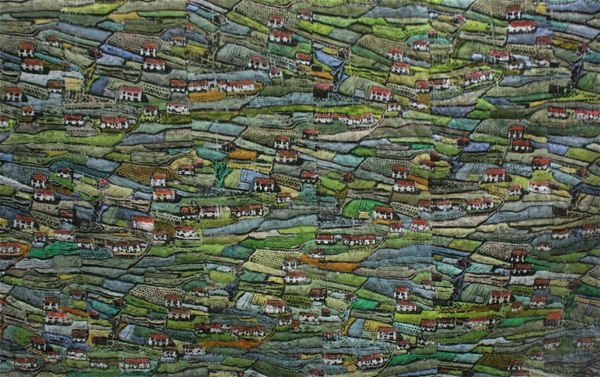
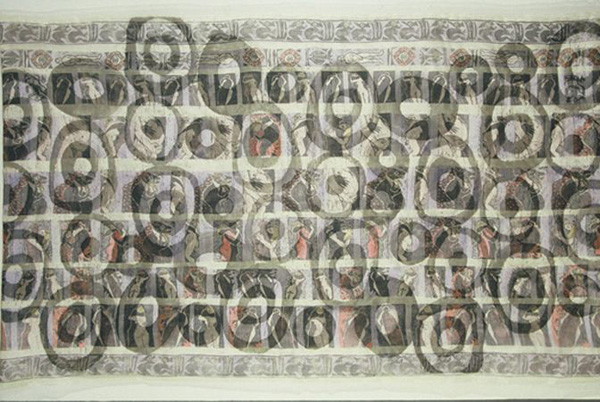
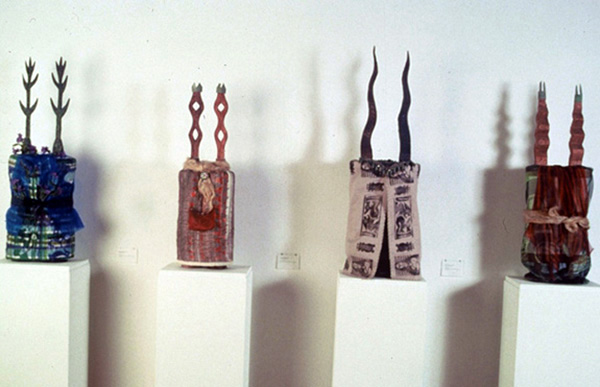
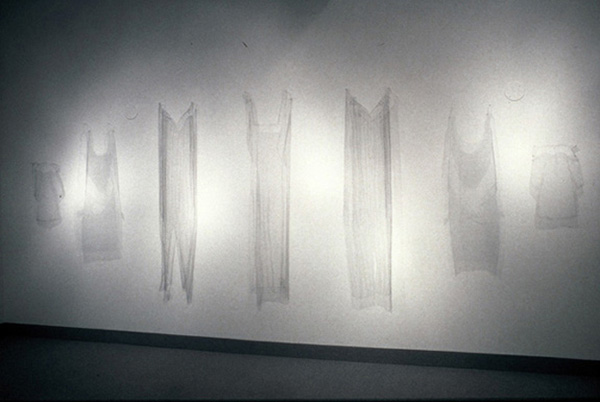
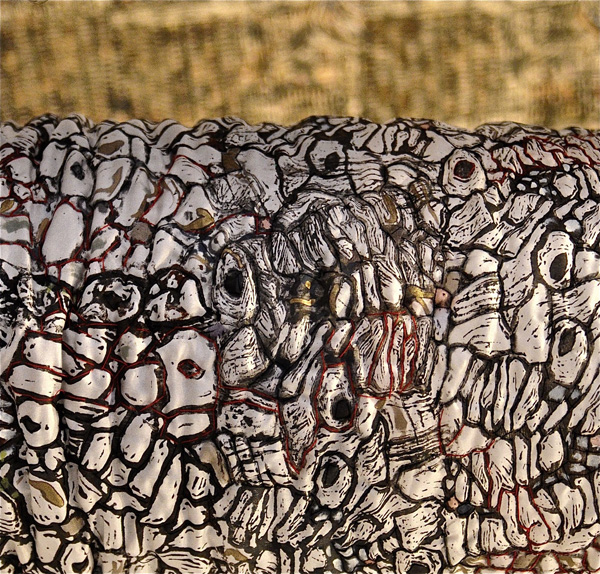
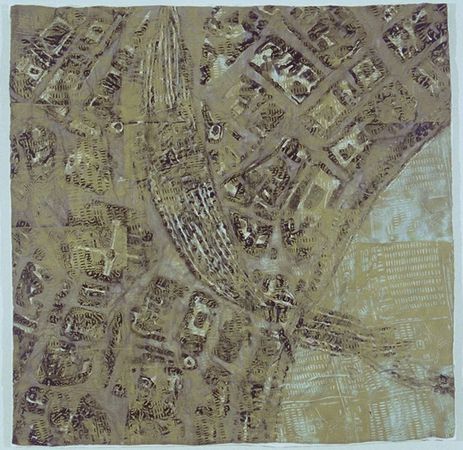
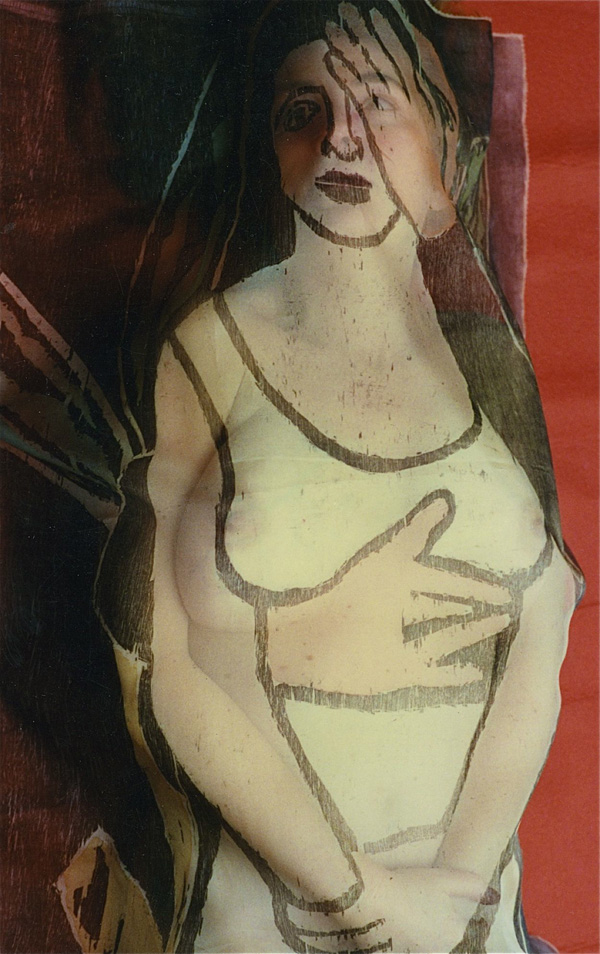
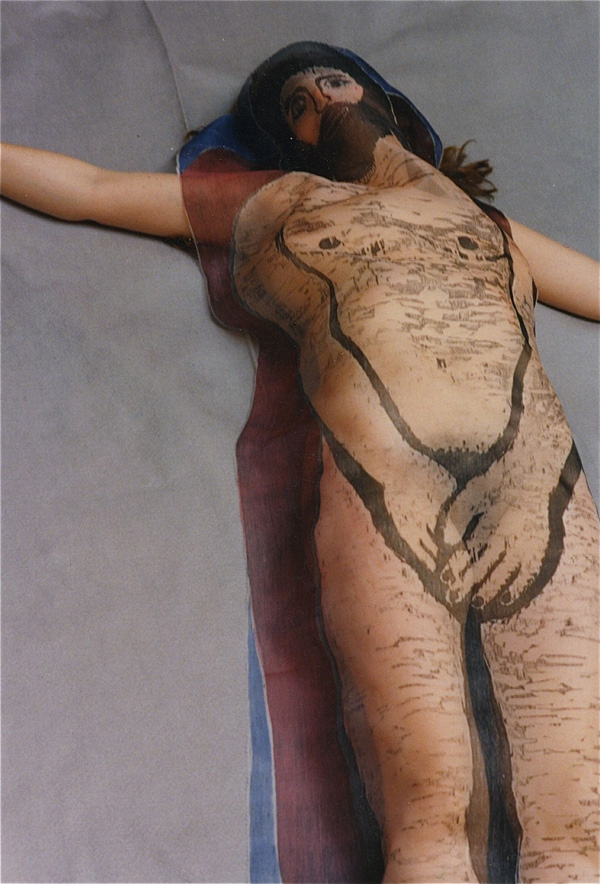
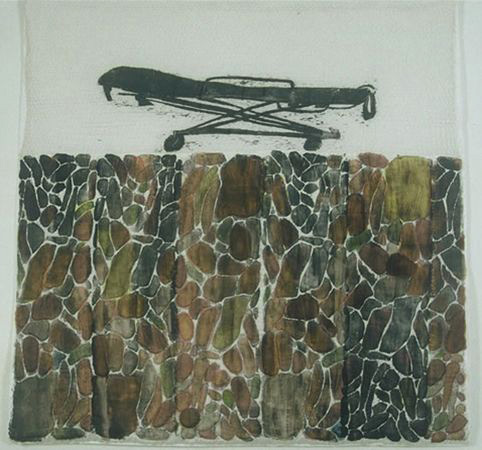
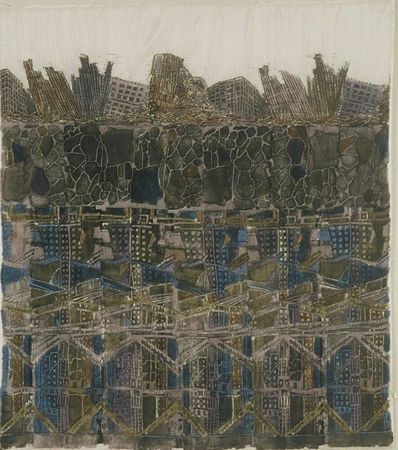
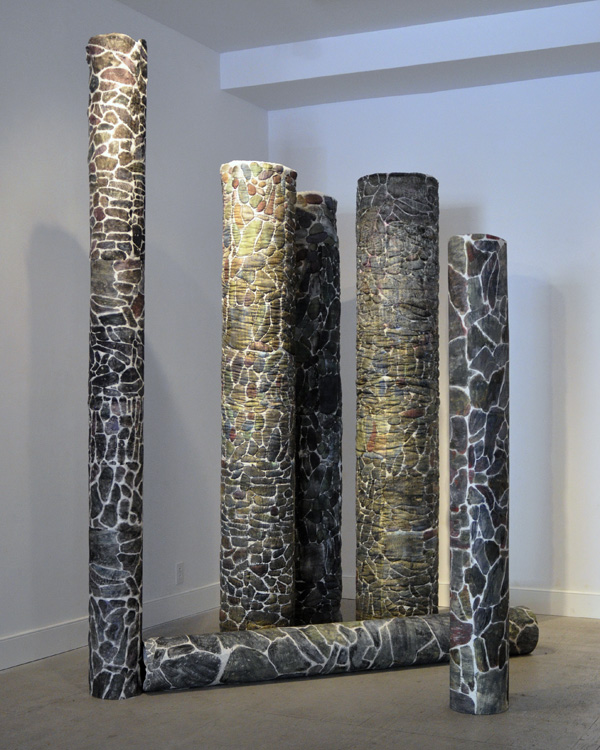
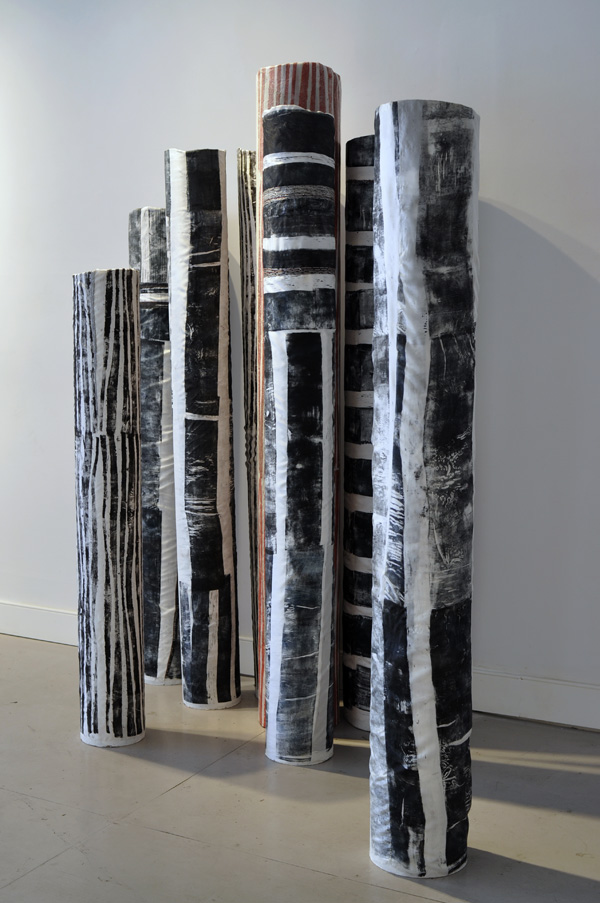
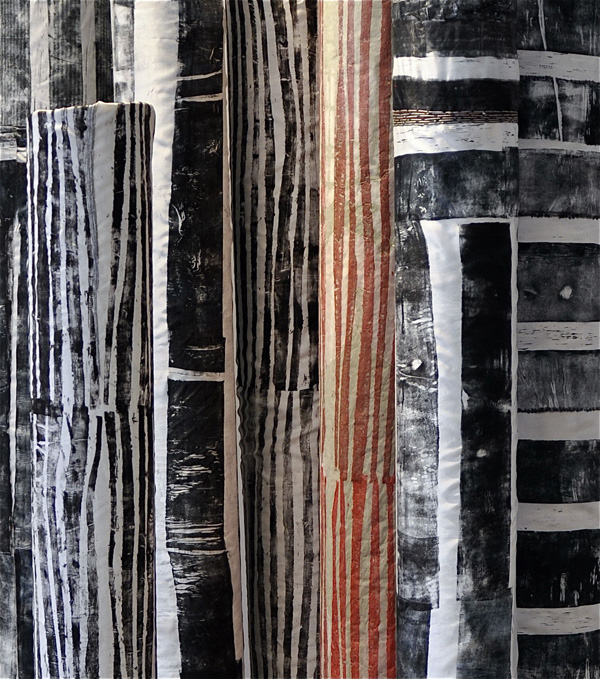
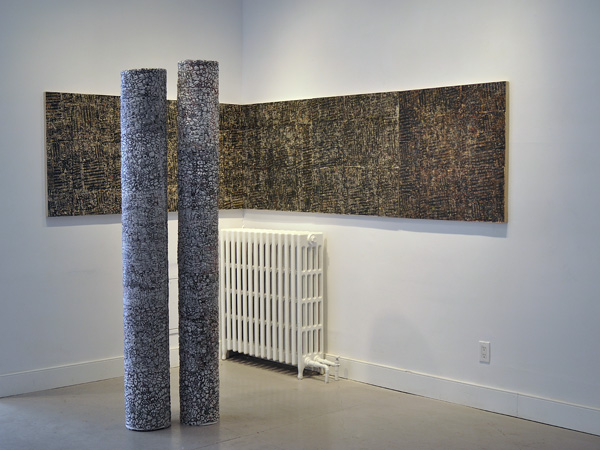
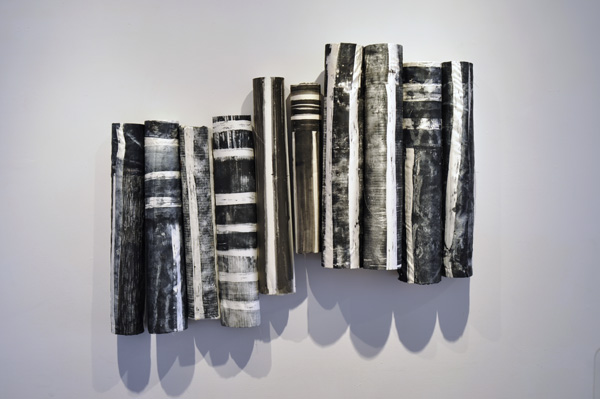
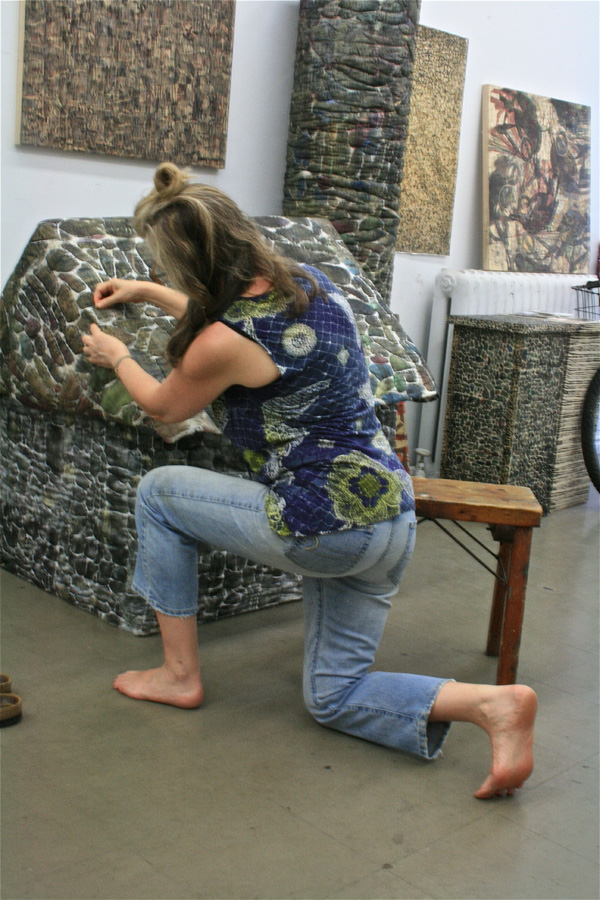
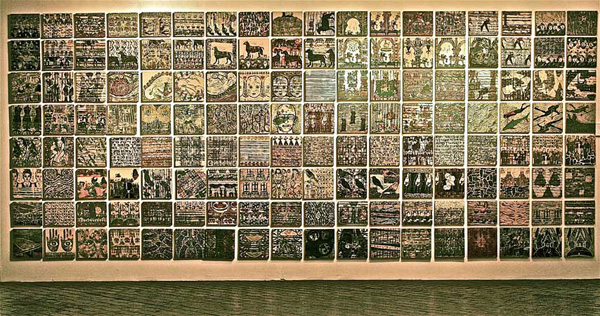
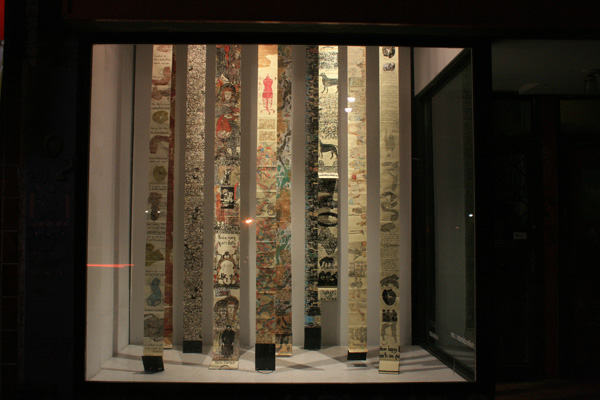
I am a Toronto-based printmaker, painter, book and fabric artist. Lately, I have been immersed in block printing, painting, and carving large wood panels, then over-printing and over-carving to create layers and textures. Concurrently, I am block printing, painting, and embroidering silk works which morph from wall hangings to standing columns to bed quilts to wrapped 'houses'.
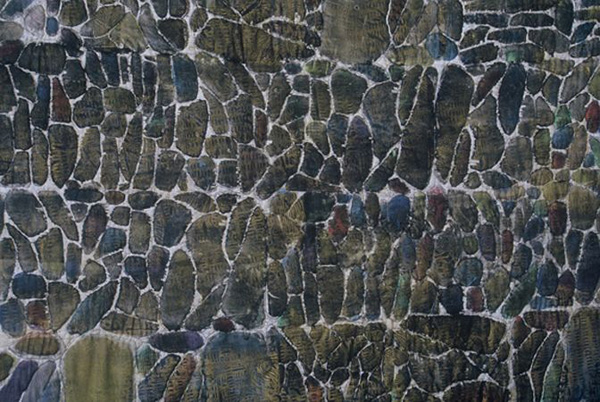
MARGINALIA, my ongoing project on wood and in fibre was initially inspired by the huge, intricately detailed Aztec codex books. It is my artistic critique of fundamentalism; while appreciating the ritual and beauty within diverse historic religious texts and images, I also challenge their dogma and rigidity. Imagery in this series has its origins in drawings on the margins of newspapers and sketchbooks. Included in this repetoire are: dressmaker dummies, gas masks, old stone walls and churches of Ireland, post-tsunami Sri Lanka, Canadian dogs, horses and wheelbarrows, my Jewish Hungarian relatives in an Italian refugee camp in 1946, Aztec figures working and fighting, September 11 scenes, emergency room stretchers... Often I will repeat and re-work some of these images until they become abstract.
Previous World of Threads Exhibitions
Rochelle Rubinstein exhibited in two of Festival 2012's major exhibitions Memento mori and Quiet Zone. She also curated the exhibit Webbed.
Where do you get your inspiration?
Like many other artists, my inspiration comes from different and often unexpected sources. For example, about thirty years ago I came across a book of black and white pottery designs from Ancient Ecuador and I have been drawing and printing variations of these designs ever since, without knowing why they move me and without ever tiring of them. My family also always inspires me. Its histories, quirks and sorrows along with details of our everyday world and our existential realities can captivate me at any time.
Why did you choose to go into fibre art?
I didn't exactly choose to go into fibre art. Because my mother was a dressmaker, I learned to design my clothes and choose fabrics when I was young. Sensitivity to and appreciation of fabric was part of my life and it was natural to draw and paint on fabric as much as on paper.
Which is your favourite fibre medium?
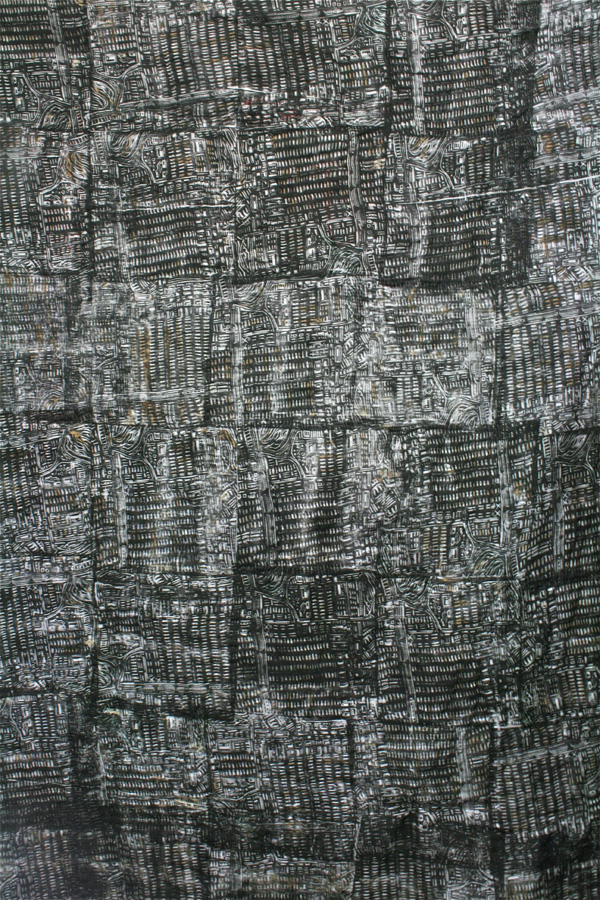
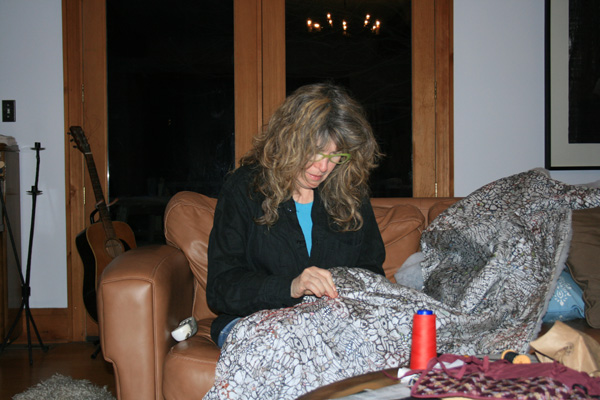
I love the process of woodblock printing on silk. As the silk never stays put, the prints are always a bit of a surprise. This element of surprise also applies to the last stage of embroidering or quilting, in which I like to be very loose with my stitching in order for each printed section to be unique, with its own distinctive shapes and textures.
What other mediums do you work in, and how does this inform your fibre work?
I create books, which include printed, drawn and painted imagery and often hand-written or printed text. My favourite type of book is the accordion-folded book that I print and paint on both sides so that it can hang vertically or sit horizontally; these can be grouped in various configurations.
My Marginalia project continues to grow as the printed painted and carved wood panels become larger as well as more textured and abstract. I have also been experimenting with blowing up photographs of my fabric work and printing them digitally, and then adding drawing, painting and sewing. Above all else, drawing is my most important activity. I feel that the strength of my work, whatever the medium, depends largely on its lines, shapes and composition. Preliminary pencil or ink drawings are the foundation of all my work.
World of Threads is a lovely phrase. It evokes the many ways that people all over the world use thread in both functional and beautifying and stimulating ways.
What specific historic artists have influenced your work?
I was deeply moved by American artist Robert Motherwell's Elegy to the Spanish Republic when I saw the first of them as a teenager living in New York. Recently I paid homage to him in a series of wood panels called The Mother Well. I was similarly moved by the spiritual quality of American painter, Mark Rothko's work.
Kathe Kollwitz, of Germany, because of her compassionate and mournful figurative work – for many years my work was mainly black and white and figurative, in deference to her. The gritty and graphic paintings of Max Beckmann, also of Germany, inspired me to develop a strong narrative.
What specific contemporary artists have influenced your work?
More than any other artist, I have been influenced by Toronto multi-disciplinary artist and teacher, Lanny Shereck. He was my sculpture teacher many years ago and we have collaborated on a number of exhibitions since then. His honesty and vision in looking at and making art have expanded my understanding while also challenging my fears and preconceptions.
I was very moved by the installations, especially the fabric installations, of French artist Christian Boltanski, especially as they delve into the WW2 history shared by my Hungarian relatives.
New Yorker Nancy Spero's graphic printed work encouraged me to be bold in my printmaking
What other fibre artists are you interested in?
The first fibre work that made me gasp was by Philadelphia-born Judith Shea; I admit to imitating her simple sculptural clothing pieces in the 1980's.
Toronto artist Joy Walker uses both fabric and paper, in an elegant manner and I have learned from her to simplify my imagery and ideas.
For the most part, the fibre work that excites me was made by people around the world whose names I do not know: this includes printed cotton textiles of Rwanda and blankets made of Indian saris stitched together with the simple in and out stitch that I also employ to add light and 'life' to my silk work.
Years ago, while working with travellers in Ireland on a women's rights organza banner – eighty feet long - one woman opened her bulky dark coat to show me her 'beady pocket' – a hand-sewn pouch, with buttons and embroidery and strings like an apron's, in which she kept her valuables. I of course had to make my own beady pockets and also facilitated a beady pocket project with women with eating disorders. The idea of keeping what is precious hidden and the many possibilities for design and mixed media were compelling.
There have been great responses to the window exhibitions, and this reminds me that art has the power to move and shape people.
Tell us about your studio and how you work:
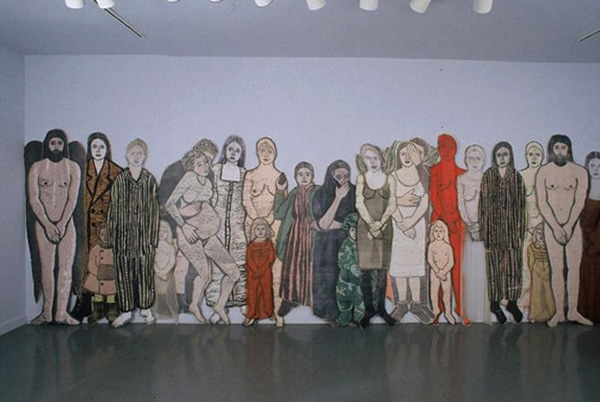
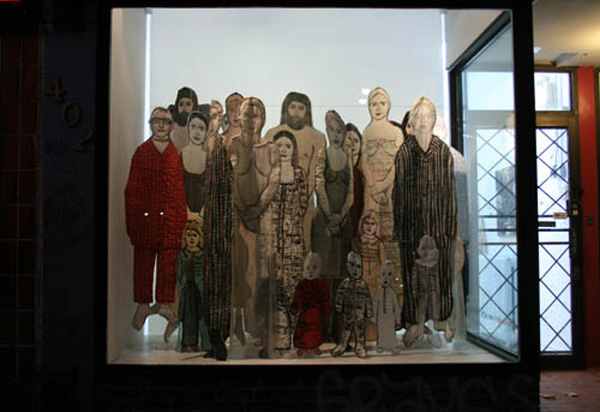
My studio is at 402 College Street in downtown Toronto. As it is a storefront space (once a convenience store), I am more exposed to public scrutiny than I have ever been in my last twelve or so studios (with the exception of artist residency studios) but I do enjoy the interest of passersby. Most often they are commenting on the monthly installation that I curate for the window gallery (Mon Ton Window Gallery – photographs of monthly exhibitions are on my website) at the front of the studio facing College Street. There have been great responses to the window exhibitions, and this reminds me that art has the power to move and shape people.
I am lucky to have a studio near my home, which allows flexibility in getting there often and working as much as possible. Exhibitions, at least two per year, create a structure for focusing on and completing bodies of work. If I am 'blocked', it is helpful to switch to a different medium or to draw or read or walk the dog. I have discovered that facilitating art projects also helps me to work better and to appreciate the studio, which is my haven.
What role do you think fibre art plays in contemporary art?
Fibre art is no longer just a 'craft'. Many institutions and people now understand that fibre is as important to the creation of art as any other media.
What interests you about the World of Threads festival?
World of Threads is a lovely phrase. It evokes the many ways that people all over the world use thread in both functional and beautifying and stimulating ways. I enjoy imagining fibre artists sharing work and ideas and extending their art, skills, and vision to a wider community.