Artist Interview 29: Martha Cole
Lumsden, Saskatchewan, Canada
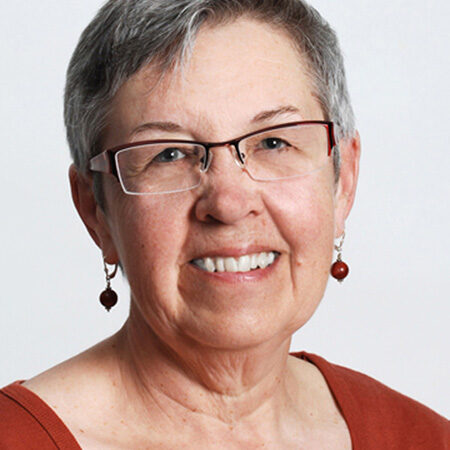
Martha is a full-time textile artist. Her artwork usually relates to the natural world, within the form of large-scale landscape works of the Canadian prairies or in smaller, more intimate explorations of a vast array of plants and flowers. Martha currently resides in a rural community in Saskatchewan, Canada.
Tell us about your work?
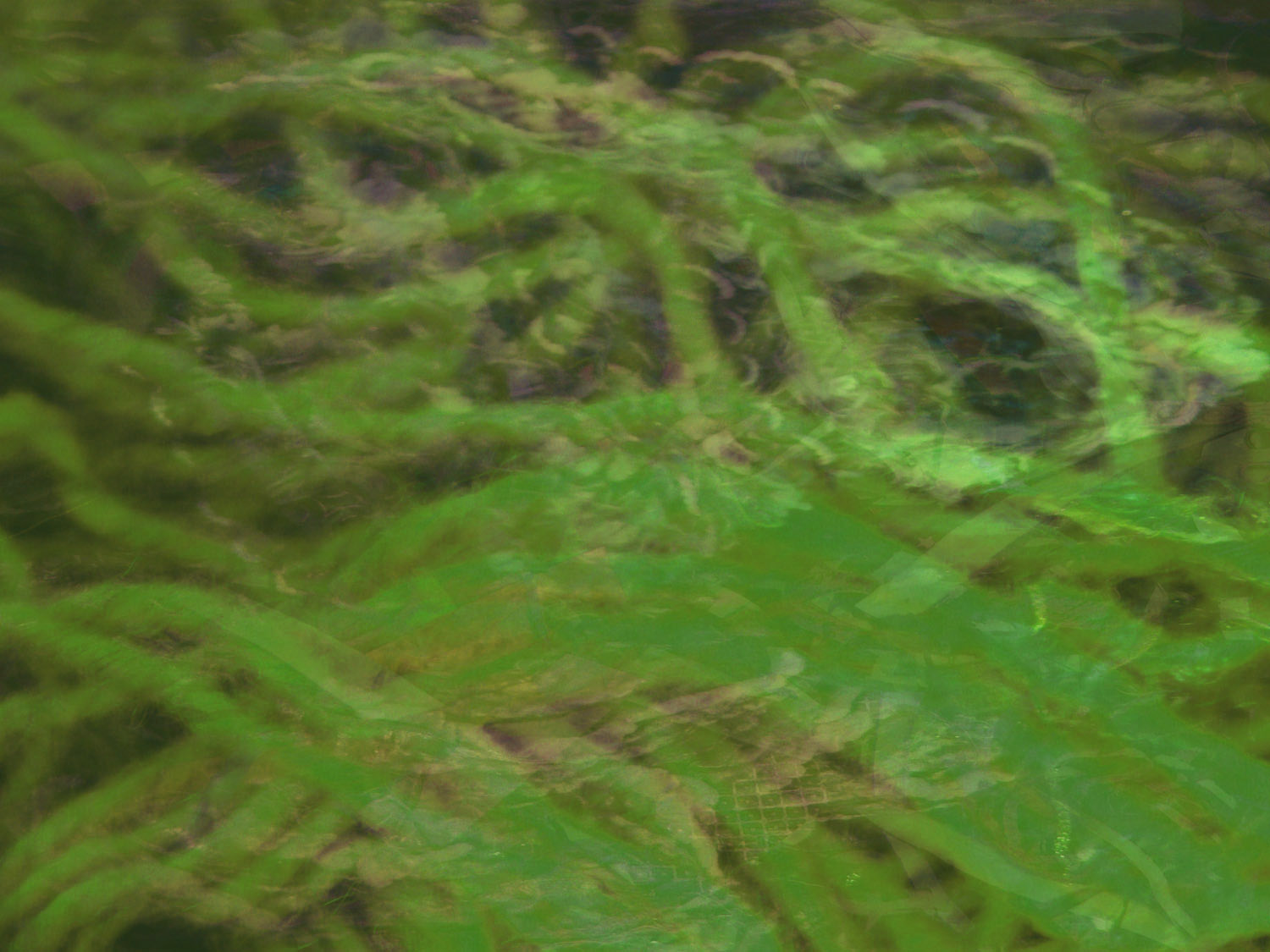
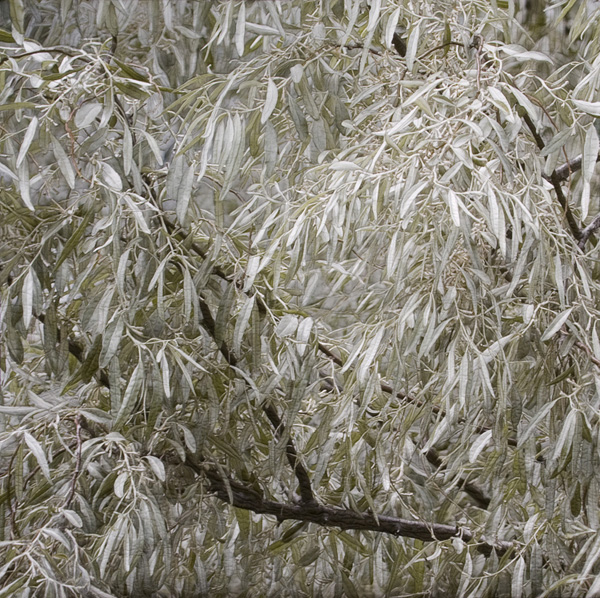
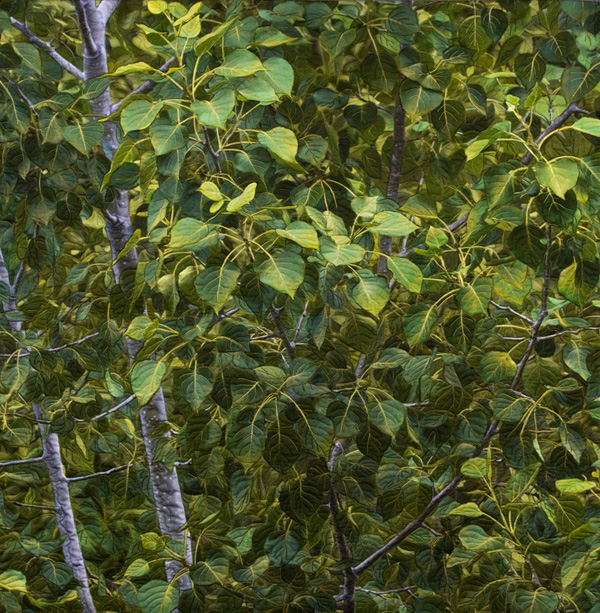
I consider myself to be a landscape-based artist whose work is deeply informed by the prairie region of Canada. The work is often panoramic, in both scope and scale, although I also do "close-ups" of various prairie flora. All of my work has a basis in a personal deep ecological and environmental commitment.
Previous World of Threads Exhibitions
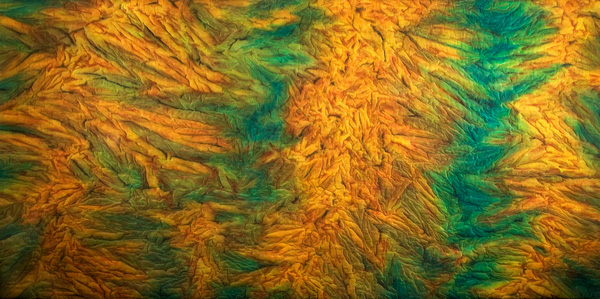
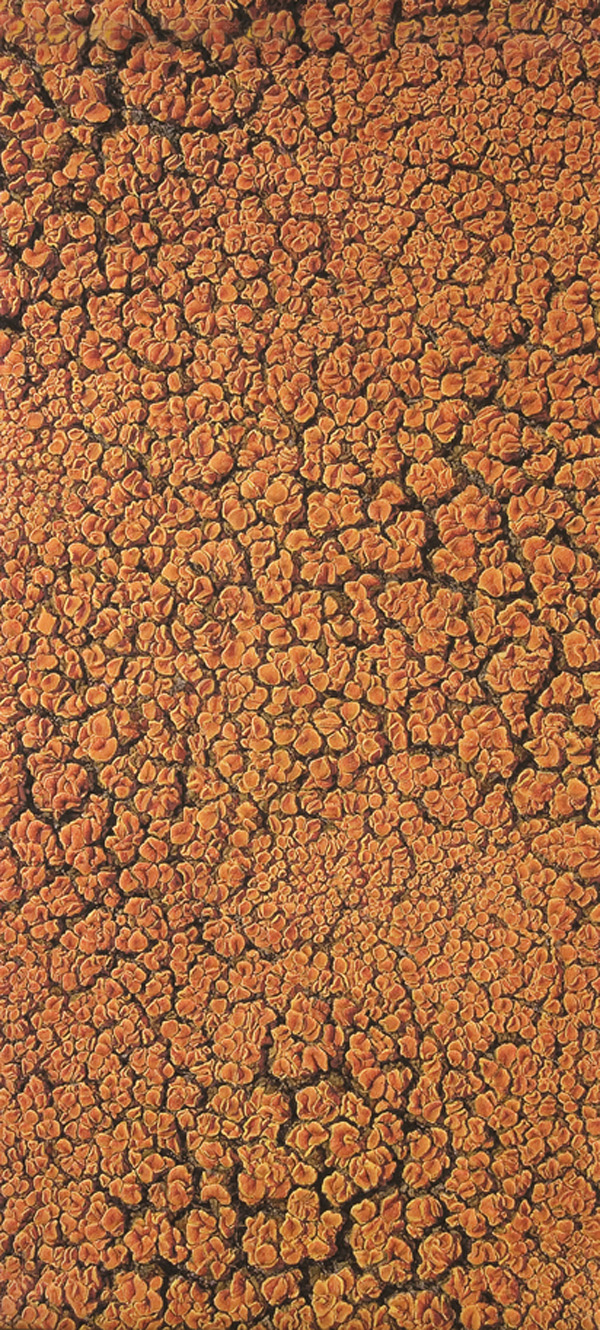
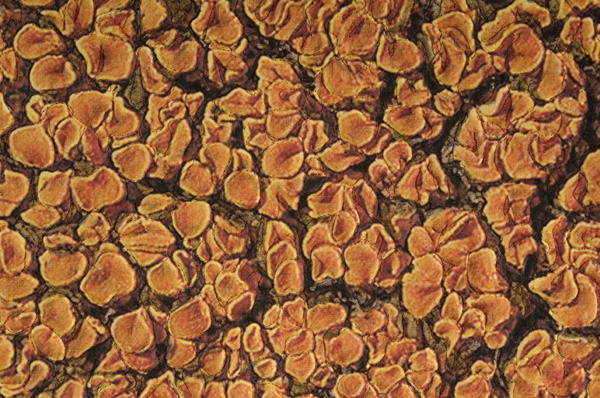
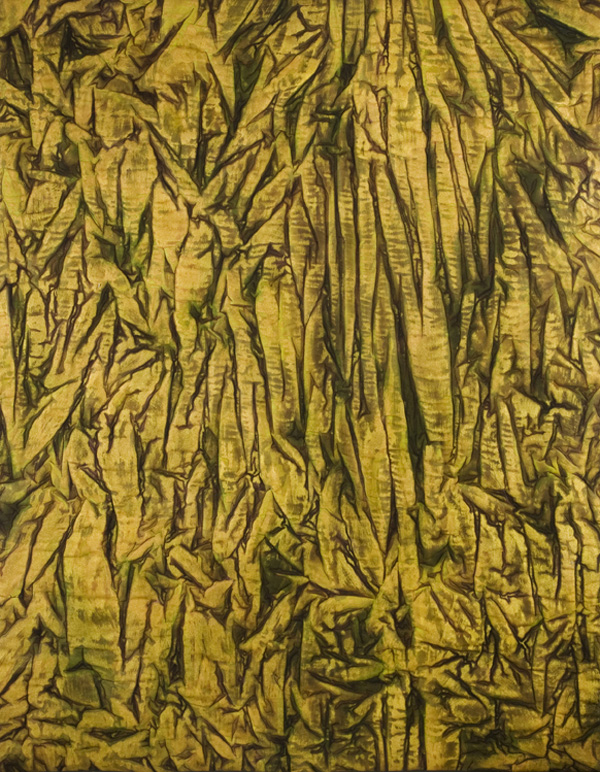
Martha Cole exhibited in the 2009 Common Thread International Exhibition Part 2. Her piece: Of the Earth 1 received an Honorable Mention.
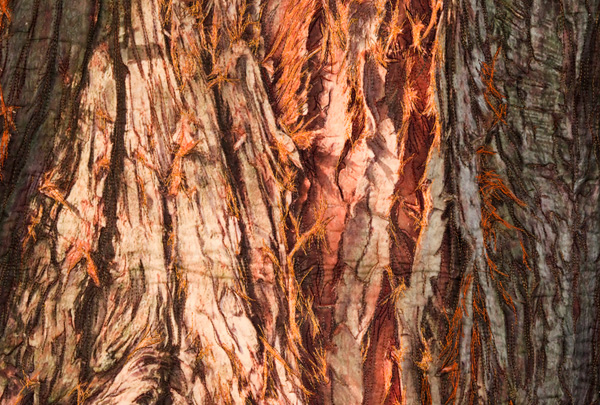
My work is environmentally focused and spiritually relevant to me.
Where do you get your inspiration?
My inspiration is derived directly from the environment around me. All my work is environmentally focused and spiritually relevant to me, with the technical challenges being an adjunct to that. I believe that art has great power if created and placed with commitment and I am deeply committed to beauty as a vehicle of change. We cannot create a different direction for the planet (and ourselves) without being able to envision that "new place". Hence I make works that show the incredible beauty and complexity of the other living beings/aspects of nature that surround us. We are but a very small part of a very large interwoven network. If we can come to see their beauty, how can we possibly wantonly destroy it?
Why did you choose to go into fibre art?
Which is your favourite fibre medium?
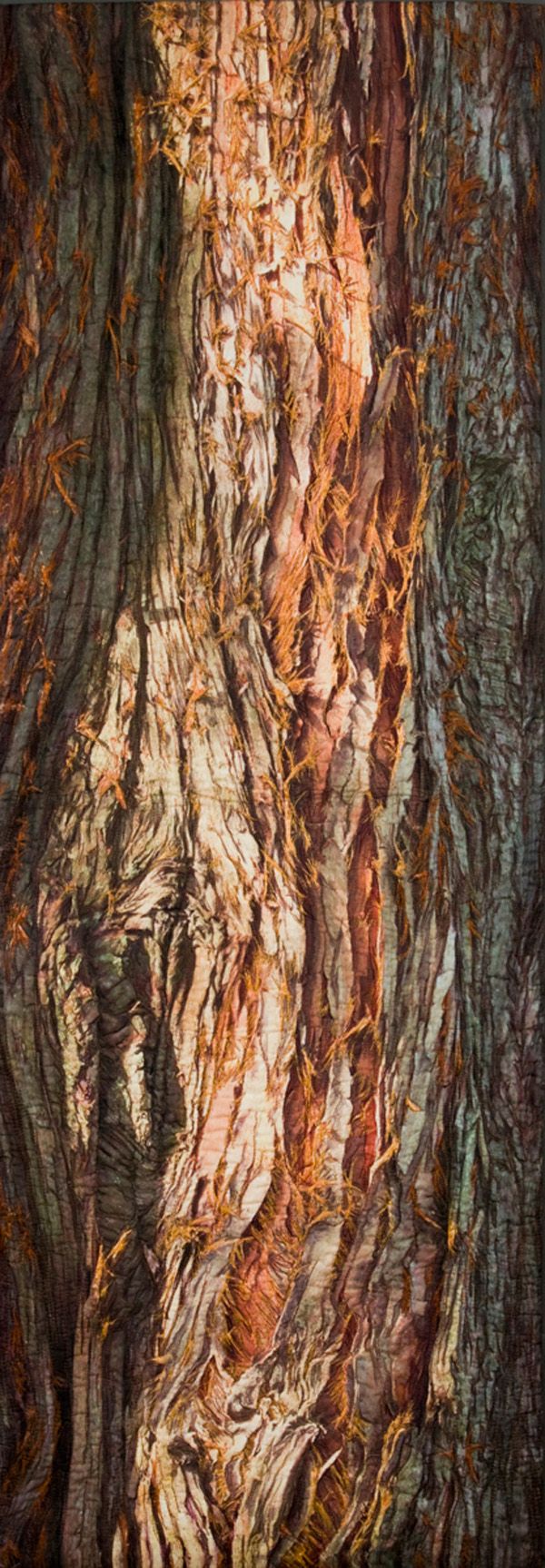
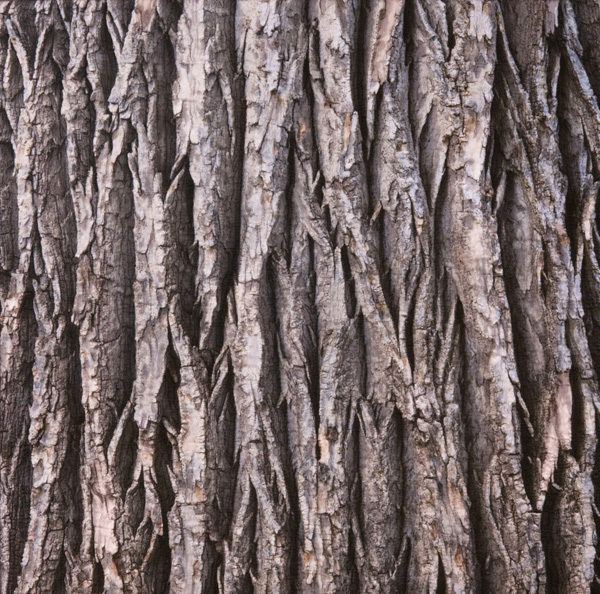
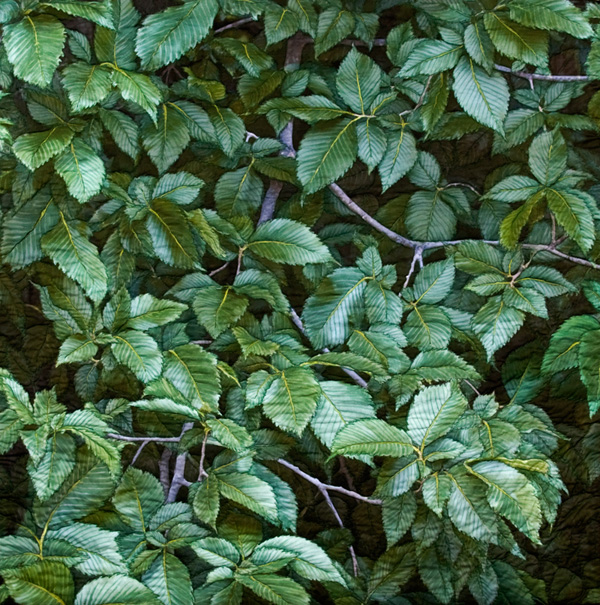
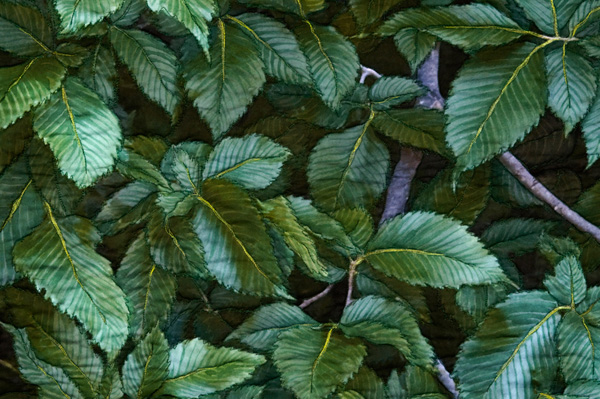
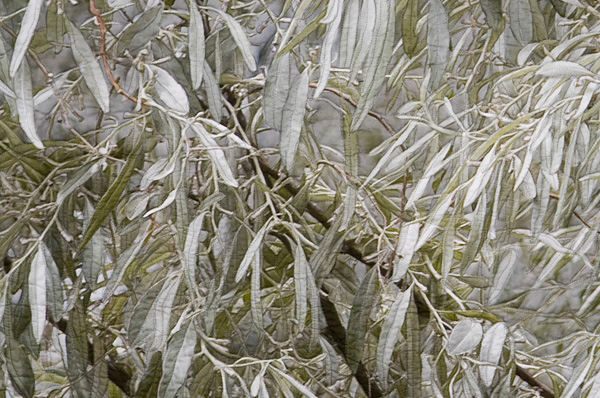
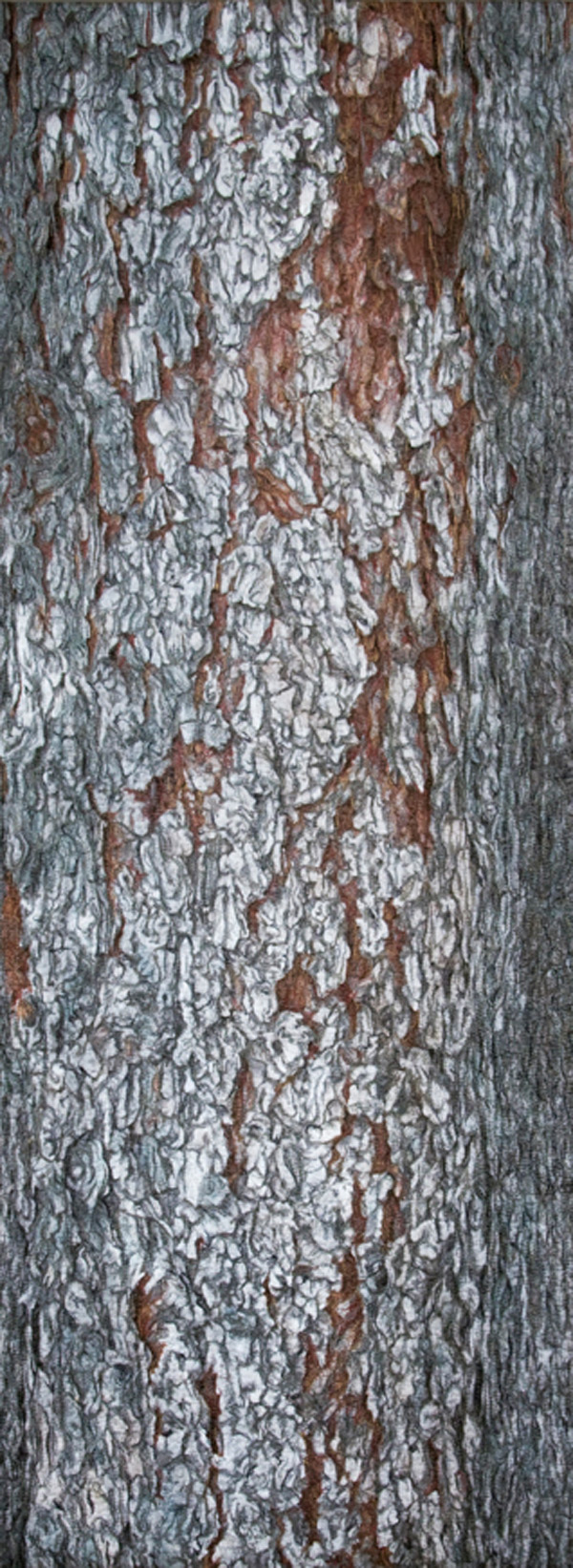
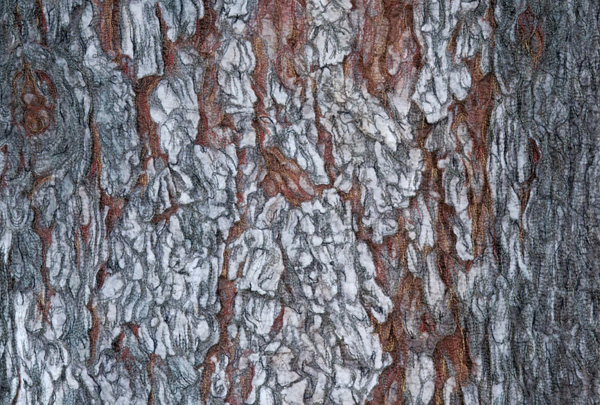
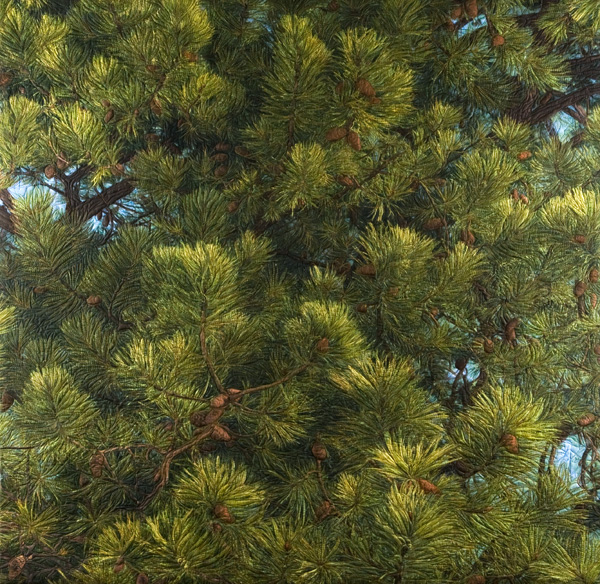
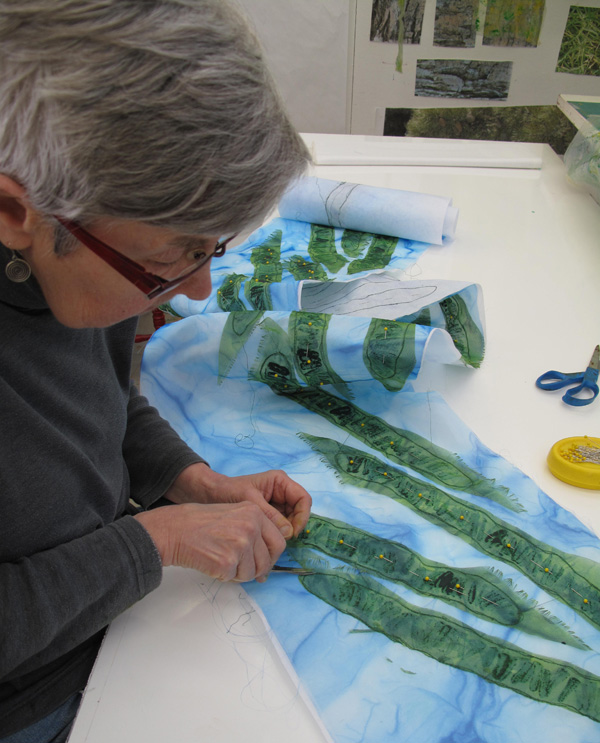
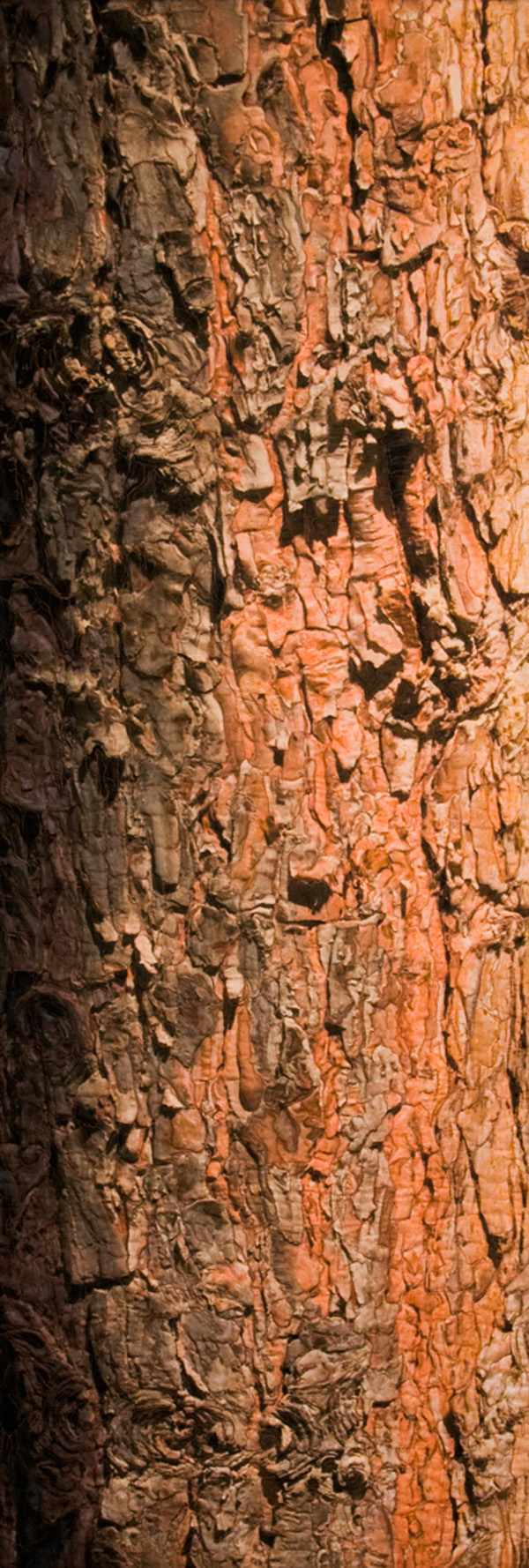
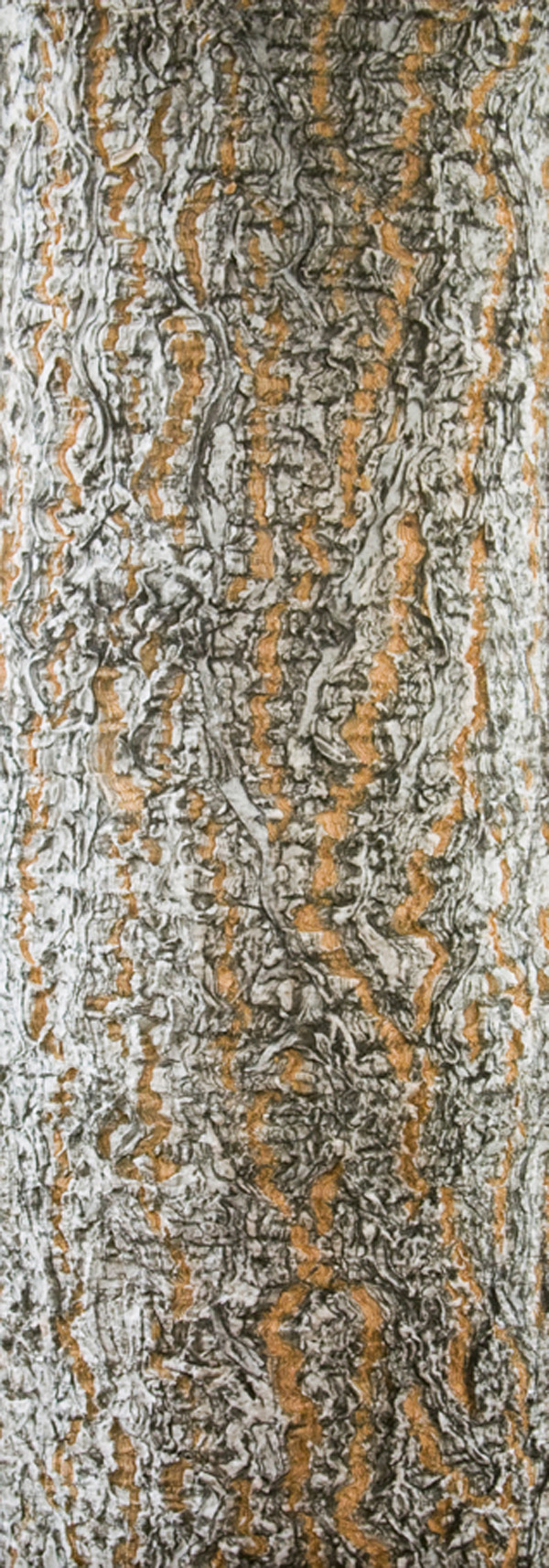
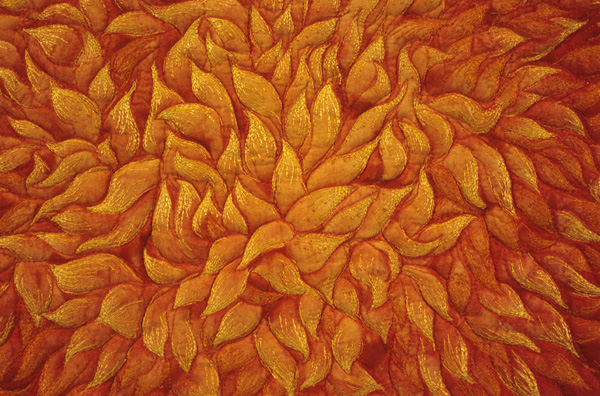
My works are quilted fabric, which I have painted and textured myself. More recently I have been using large scale digital images as the start of the works. They are printed, enhanced with fabric paints, coloured pencils, appliqué and free-motion stitching, before the final quilting is done.
What other mediums do you work in, and how does this inform your fibre work?
I am also a book artist. Historically each media has been quite distinct, while each informing and enriching the other. For example, it was the exploration of the decorative possibilities of wheat paste papers in bookmaking, which lead to my current practice of painting all the fabrics that I use in my current fabric works.
What specific historic artists have influenced your work?
I have a traditional Fine Arts background, so have been influenced by the usual range of European artists and have a formal education of their theory of design and composition. I have also a personal interest in pre-historic archaeological findings re: symbolism and spirituality.
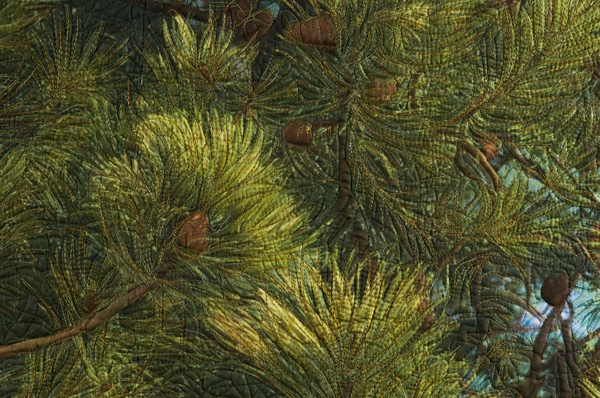
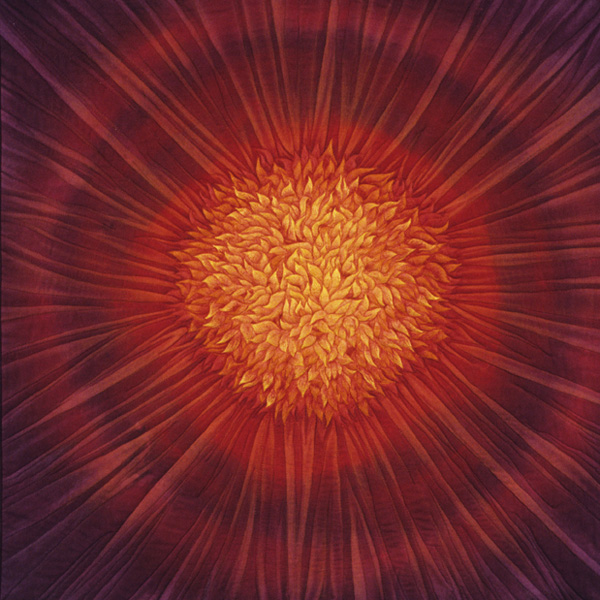
In the heyday of feminist blossoming, I went in search of woman-centric art and that lead me to archeaologist, Marija Gimbutus and her two books – The Language of the Goddess and the Civilization of the Goddess. Perhaps the most significant books of this period were Lucy Lippard's, "Overlay: Contemporary Art and the art of Prehistory" and "From the Center – feminist essays on women's art." This period significantly shifted the direction of my work. I did a number of works using ancient women's symbols as well as more universal ones such as "Mandalas" (I've attached a couple of mandala images). Specific artists of influence in this period were Judy Chicago, Suzi Gablik, and Meinrad Craighead.
What specific contemporary artists have influenced your work?
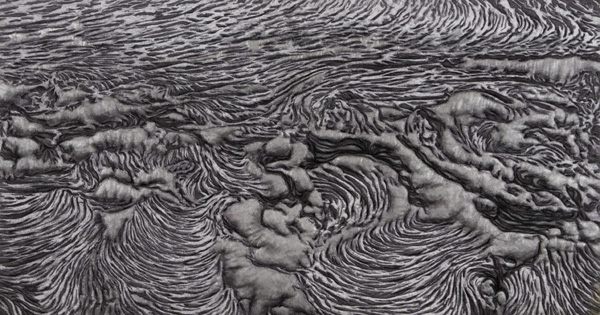
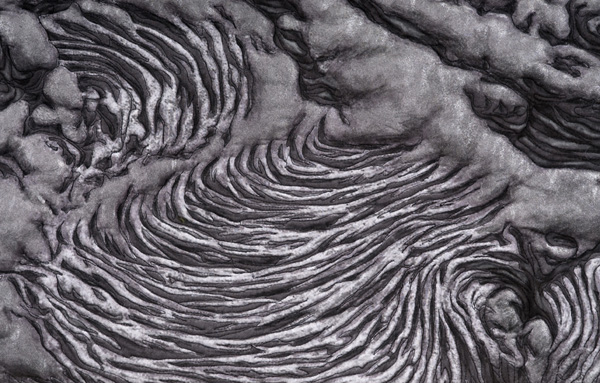
I am influenced by the modernist artists – i.e. Barnett Newman, Frank Stella, Donald Judd, etc. During my formal training, I became very inspired by the minimalist works of the fifties and sixties I understood the minimalist aesthetic to be a simplifying of basic elements down to their essence. My current work is trying to do the same – using large-scale digital images of close-ups of natural forms, which show "the essence" of the complexity of patterning that is inherent in the natural world. I try to create the natural world's equivalent of "colour fields". Some of the more experimental works attempt to create that same complexity, using just the natural elements inherent in the paints and fabrics – such as "Of the Earth 1", which was the piece that won Honorable Mention in your 2009 Exhibition.
I am also currently influenced by the new trends in graphic novels. I am admiring of the populist basis of the graphic novels and make an effort to place my own work within the public sphere, addressing current global environmental issues, rather than in the more rarified art world. I actively participate in "culture making" by working with a number of different groups that want to use their creative skills to better our world.
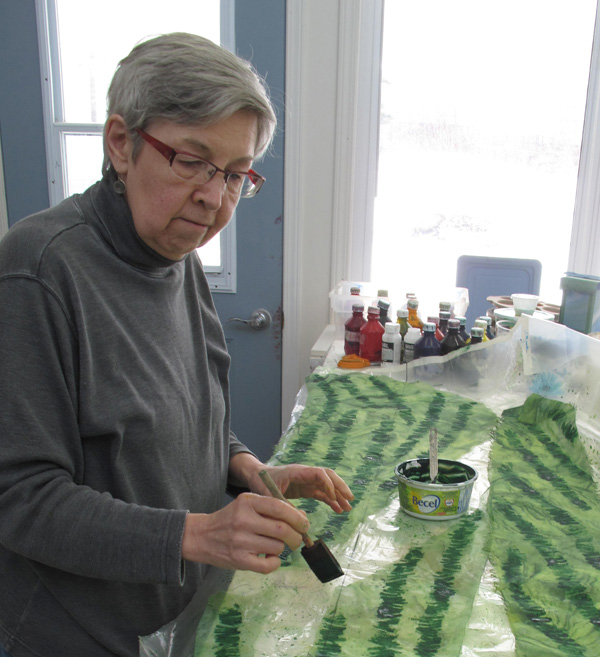
I actively participate in "culture making" by working with a number of different groups that want to use their creative skills to better our world.
Tell us about your studio and how you work:
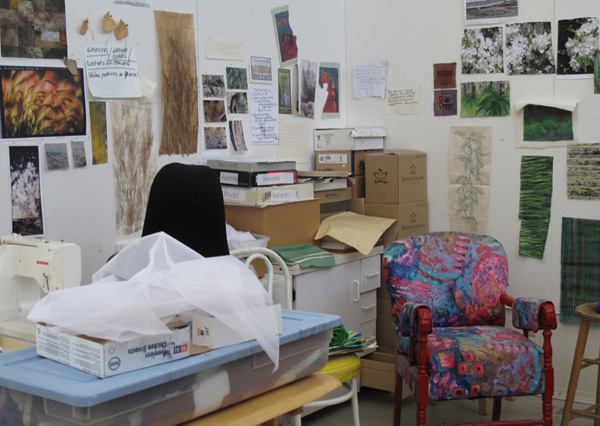
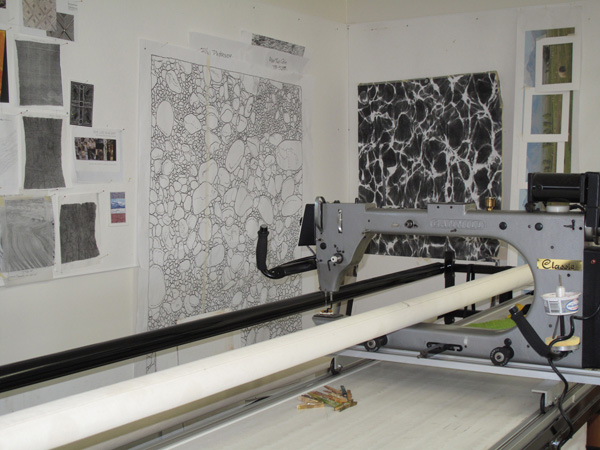
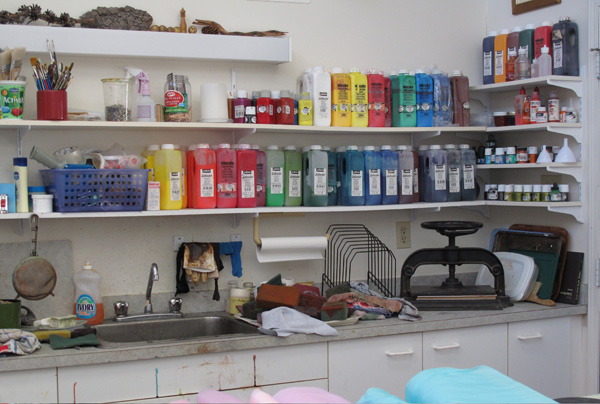
I have a separate 750 sq ft. studio in my yard which is fully equipped and very functional, but, of course, too small!!! I work every day and consider it my job. I try to be in my studio by 9 o'clock at the latest (often I'm there by 7:00 a.m.) and work for the day. Some time gets spent on the computer doing the business part of an artist's life, and I do teach workshops – so time is divided to accommodate these activities as well.
What role do you think fibre art plays in contemporary art?
I think the textile arts are generally more accepted in contemporary art than previously, although there is still some distance to go before they are considered "equal" partners. The new installation/performance aspect of contemporary art has made space for textiles as an integrated media within that sphere.
What other fibre artists are you interested in?
I have mostly worked in isolation while pouring over publications such as the Quilt National Catalogs. That has certainly had some influence. I consider myself self-taught regarding the textile arts, with a smattering of random workshops that happened to come my way.
Nancy Crow, United States – has demonstrated clear criteria for ART WORKS that are beyond the normal "quilt criteria" that many fabric artists focus on.
Alice Kettle, United Kingdom – has a solid body of work using the sewing machine as an artistic tool for large, monumental and richly surfaced constructions.
Dorothy Caldwell, Canada – has an incredibly expressive use of stitching as linear drawing and detail. Her stitching is "mark-making" at its best.
Most recently, Wen Redmond, United States – who is doing some very exciting integration of transparent fabrics/digital imagery/stitching/collage.
What was your motivation for submitting your work to the World of Threads Festival?
I was in a period of "experimentation" (vs. working for exhibition deadlines – I'm represented by a couple of galleries and often have 1 or 2-person shows annually). Being someone who works better to a deadline, I decided that this would be an excellent venue to attempt.
Is there anything else you would like us to know about you or your art?
I often define myself as a landscape-based artist whose roots are deeply buried in Saskatchewan soil. I have returned to this theme many times, always exploring and deepening my connection to the land I call home. Sometimes I have focused on the vast expansiveness of the prairie panorama, the patterning of the agricultural fields; other times on the complexity and subtlety of the grasses and flora. Whatever the focus, this land has continued to challenge and inspire me.
"Diversification", a term usually applied economically or environmentally and often cited as the determiner of healthy sustainability, can also be applied to the cultural sector. In my travels around the province and across Canada, I have witnessed and interacted with many distinct vibrant art communities. Witnessing this cultural vibrancy wherever I went has led to a clearer distinction between 'culture making' and 'art making' in my own art practice and has affirmed my belief that I must ground my work where I live.
I have gained a deeper understanding of "power of place".
As an "art maker", I believe that art and visual images carry in them the power to generate change if they are created with honouring and respectful intention. Therefore, I try to create images that are beautiful, reflective of my values, and accessible both visually and intellectually. I hope to show aspects of the prairies that are both new and familiar to my viewers. I want them to experience the broad, expansive "power of place" that is so characteristic of the prairies, as well as the small, fragile and vulnerable within the wide sweep of this landscape.
As a "culture maker", I am committed to effecting change in our society. I have chosen to place my work here – where I live. I want these images to resonate, to affirm and deepen a personal connection in each of us to this land. I believe that if we can learn to love this land we cannot help but work to save it, thereby saving ourselves in the process.