Artist Interview 119: Megan Skyvington
Toronto, Ontario, Canada
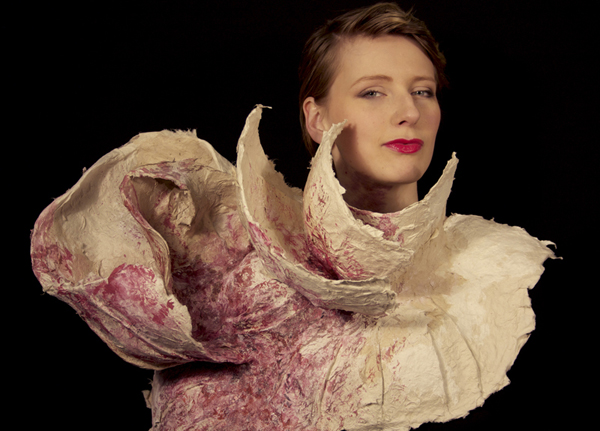
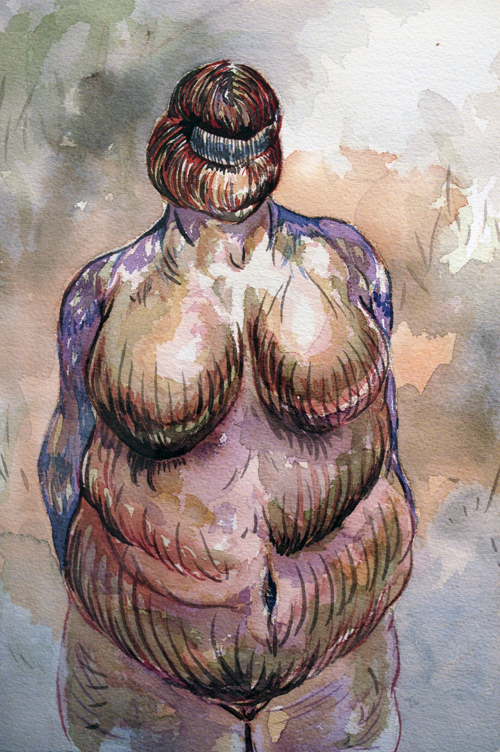
Thematically Megan’s work runs in two parallel lines. In the first, she explores the external world of fashion and beauty and its impact on the world. Secondly, material explorations while maintaining distinct rhythms, patterns and colours. While her work may be weird, ugly or strange, she endeavours to make the uncomfortable something beautiful, expressing the elegant metaphors that hide beneath the surface of our discomfort.
Tell us about your work?
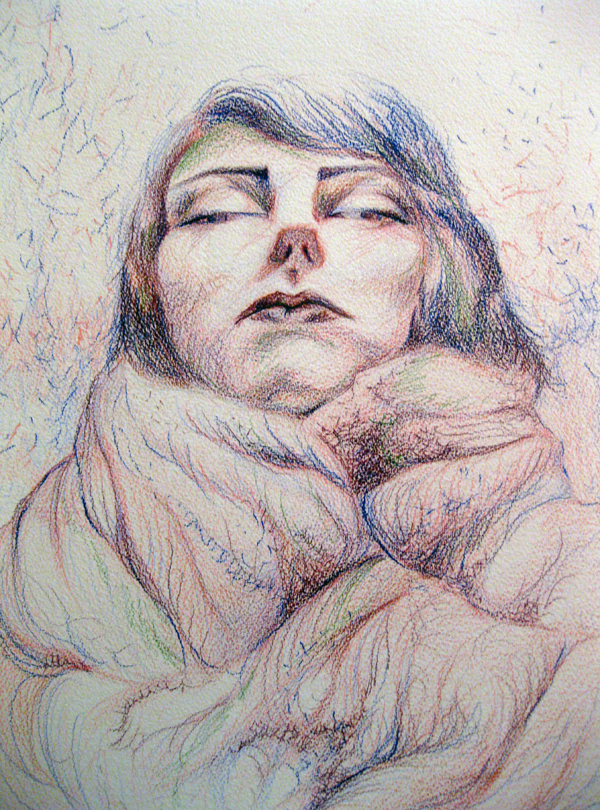
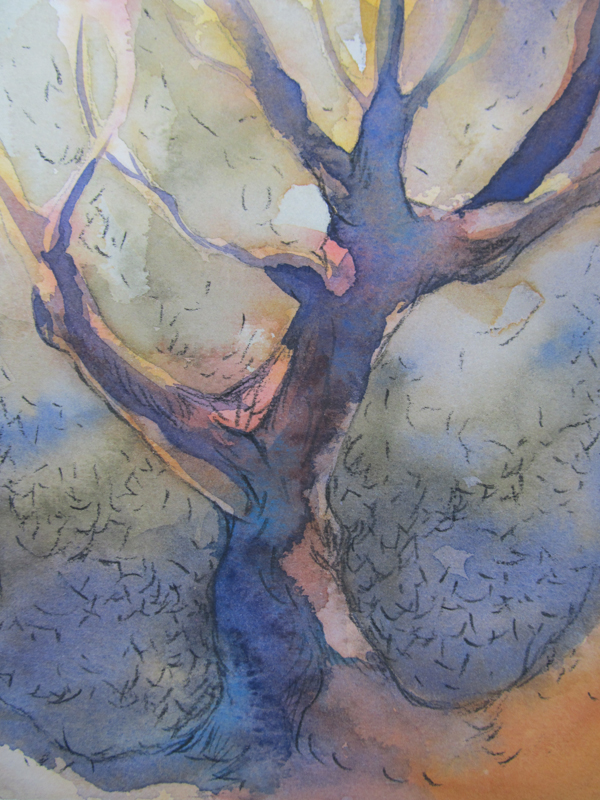
Thematically my work runs in two parallel lines. The first explores the external (artificial) world and the impact it has on the self. This I examine by exploring the ridiculous and fascinating world of fashion and beauty (and it's implications for the body and our feelings about the body). I feel both imposed upon by this world as well as created by it as a woman and human being living in our media saturated culture. The second road my work takes explores the metaphorical world of symbols we adopt from nature to understand ourselves. As an artist I feel compelled to use and understand natural forms in my work (animals, trees, eggs etc.). Using these symbolic forms I try and understand the natural world around us to explore personal metaphors for my current place in life and my impact on the world
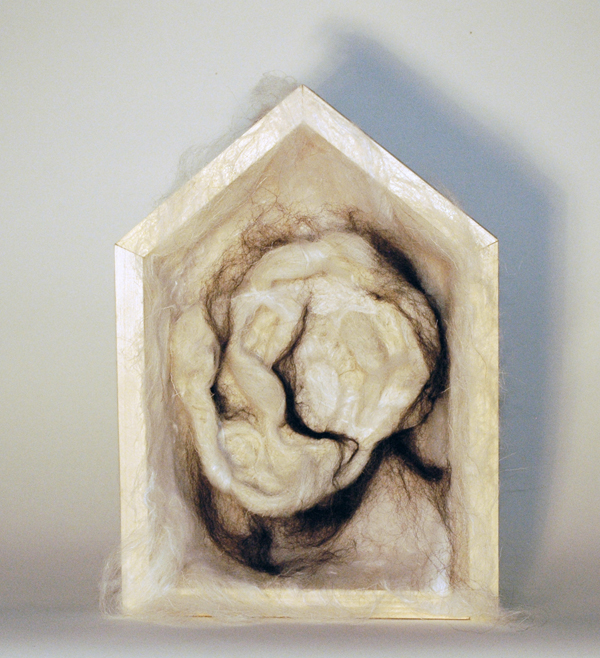
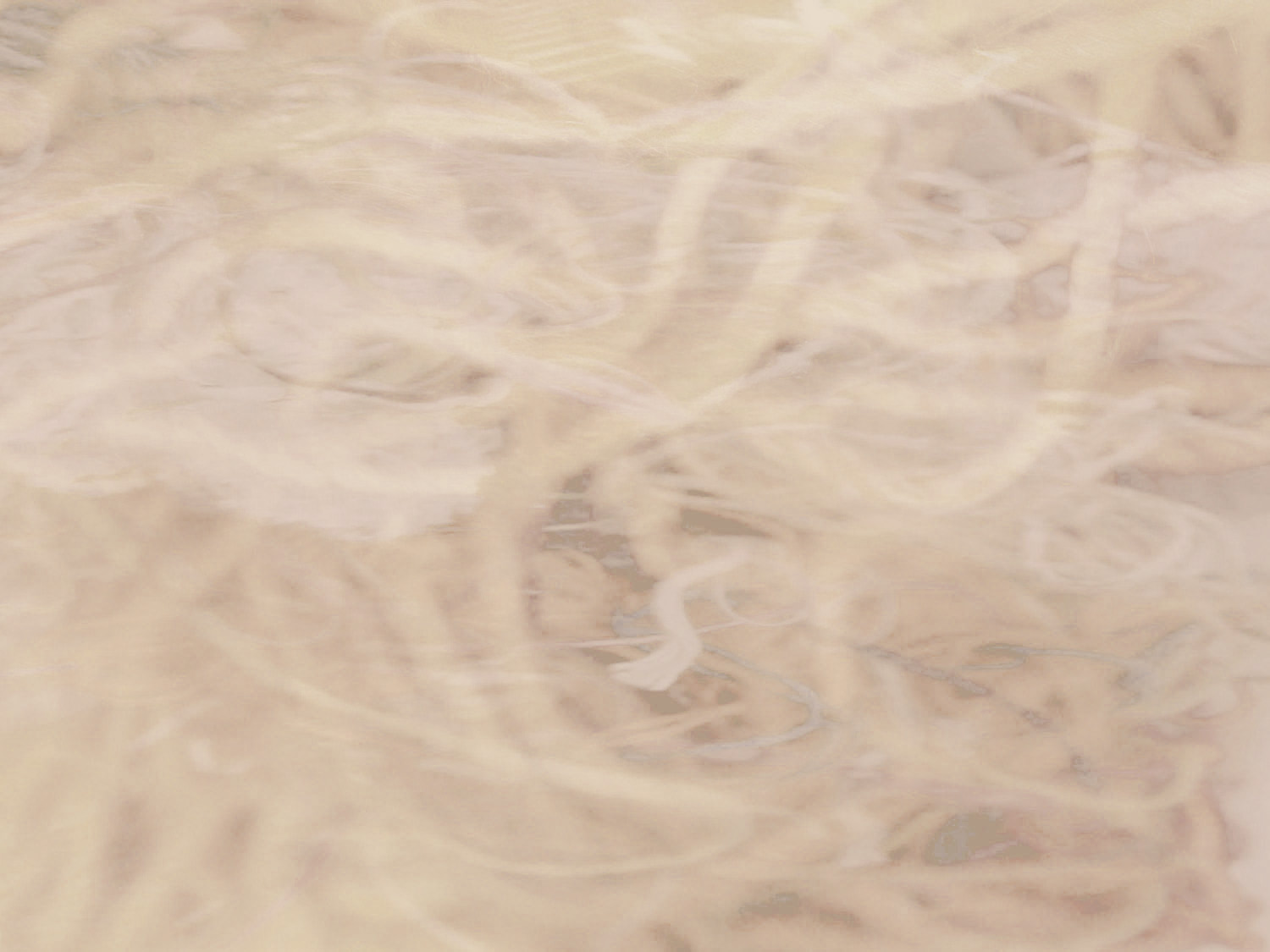
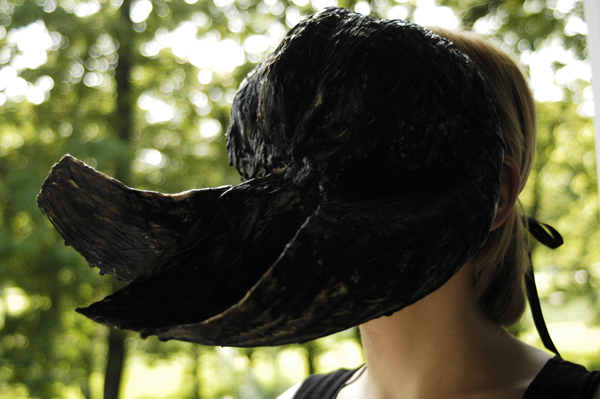
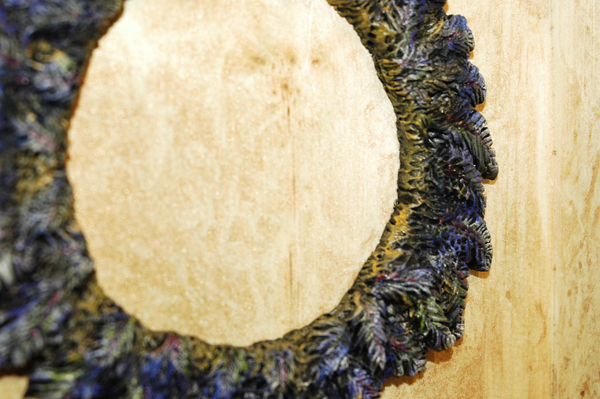
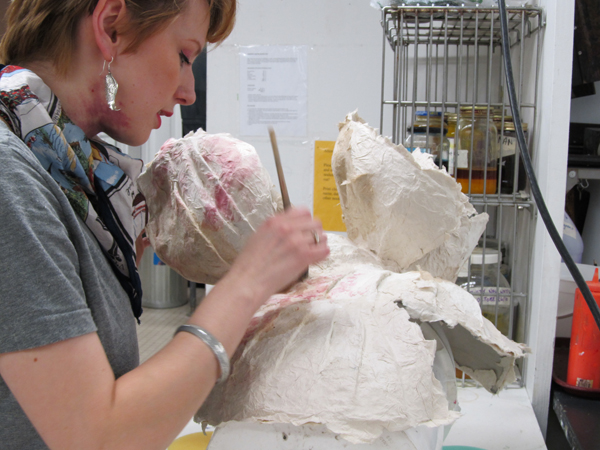
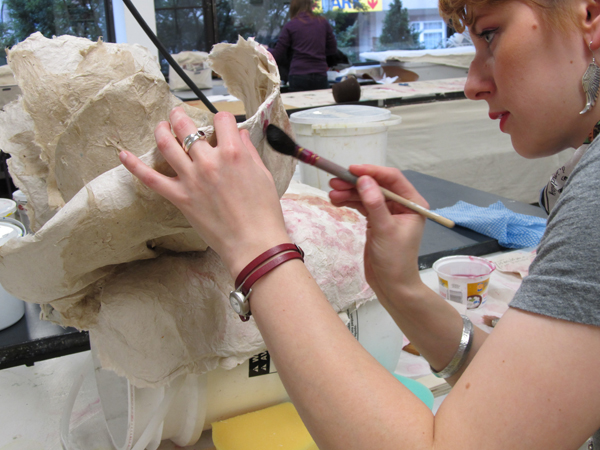
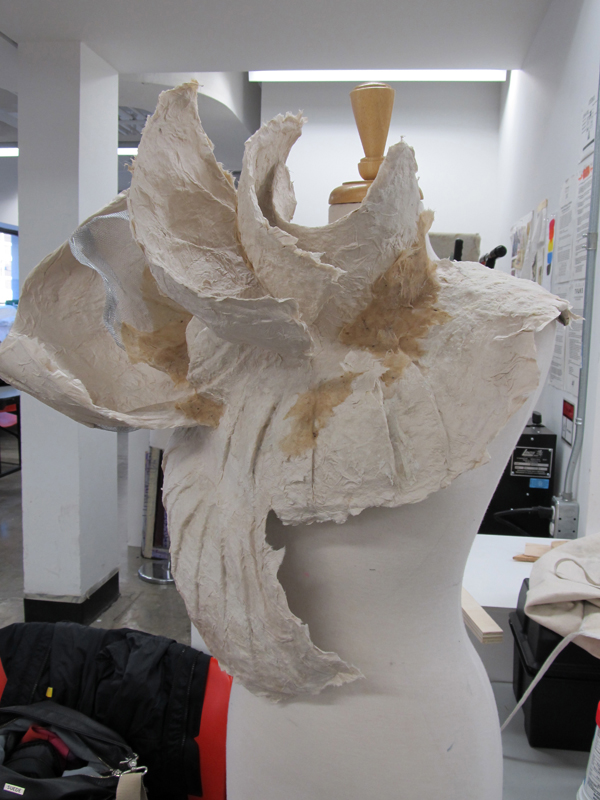
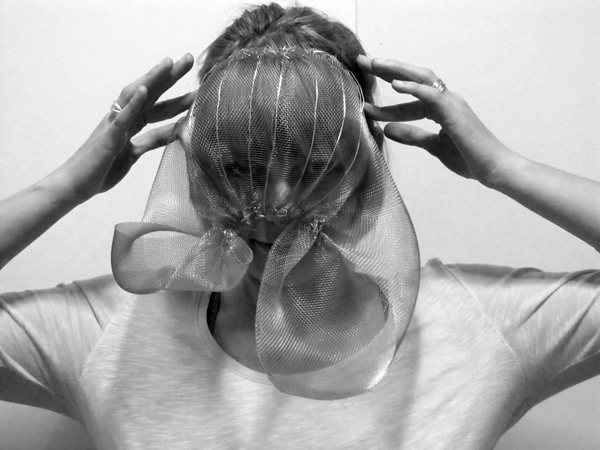
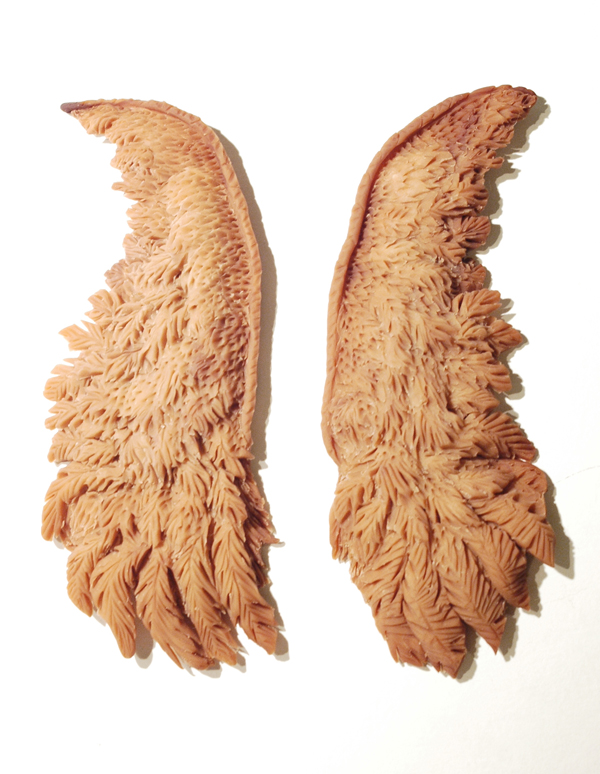
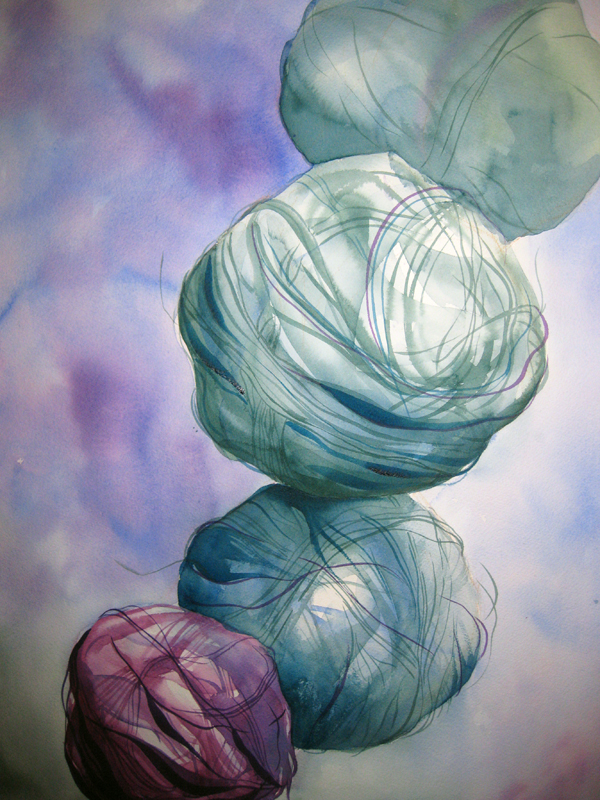
Aesthetically my work ranges in material explorations while still maintaining distinct rhythms, patterns and colours that show my hand from project to project. I love when work is extremely tactile and I always need my work to have this quality. It makes what I've made feel alive and sensual. I am drawn to very hands on processes that can often be tedious but also organic in nature. I'm not a great planner when it comes to making, I prefer to master a technique to the best of my ability and then let things happen as a piece comes to life. My work has seen a great deal of progression in the past two years, since graduating from OCAD University.
What do you think of us placing your work within the context of fibre art and how do fibre techniques and materials relate to your practice?
Knowing my training and background it seems an unlikely fit yet through my growth as an artist it makes perfect sense. I was trained as a traditional painter but over time (as the lines blurred in my practice and work) I became more and more fascinated and inspired by fibre techniques. In particular, paper making and embroidery. I am by no means a master of either and often just take more inspiration from fibre artists and their work because I have a deep respect for how long it takes to master any one craft. However, as an artist I think this connection makes sense because of my use of patterns and forms as well as the tactile nature of my work and my exploration and execution of various techniques and materials in my practice.
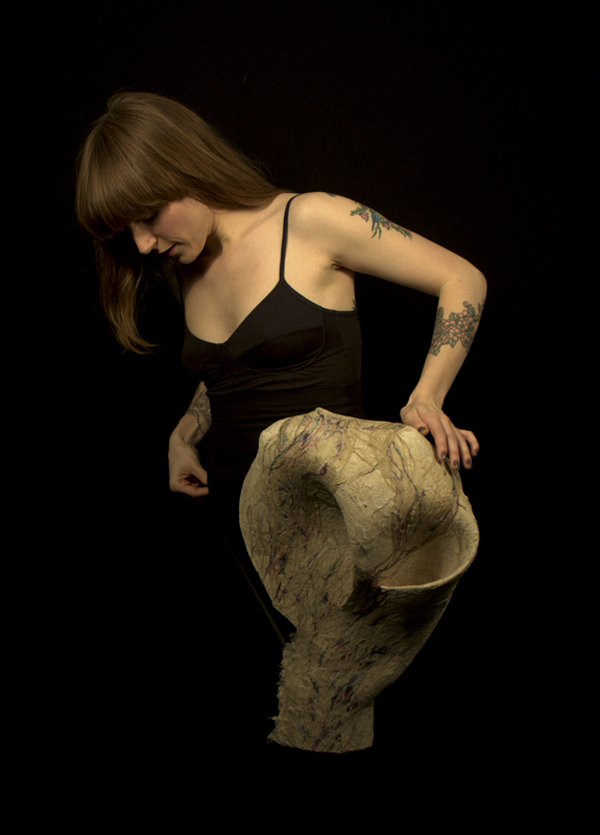
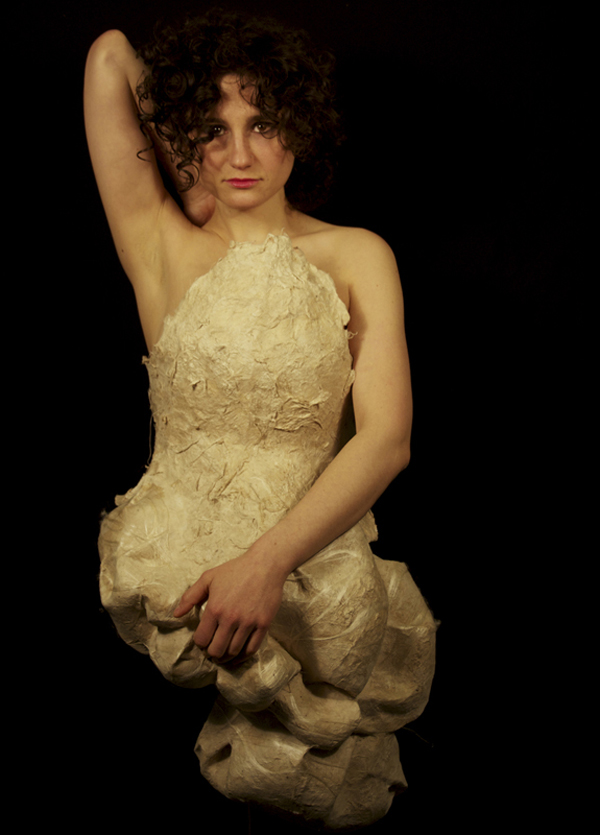
I am drawn to very hands on processes that can often be tedious but also organic in nature.
How has your work progressed since you graduated?
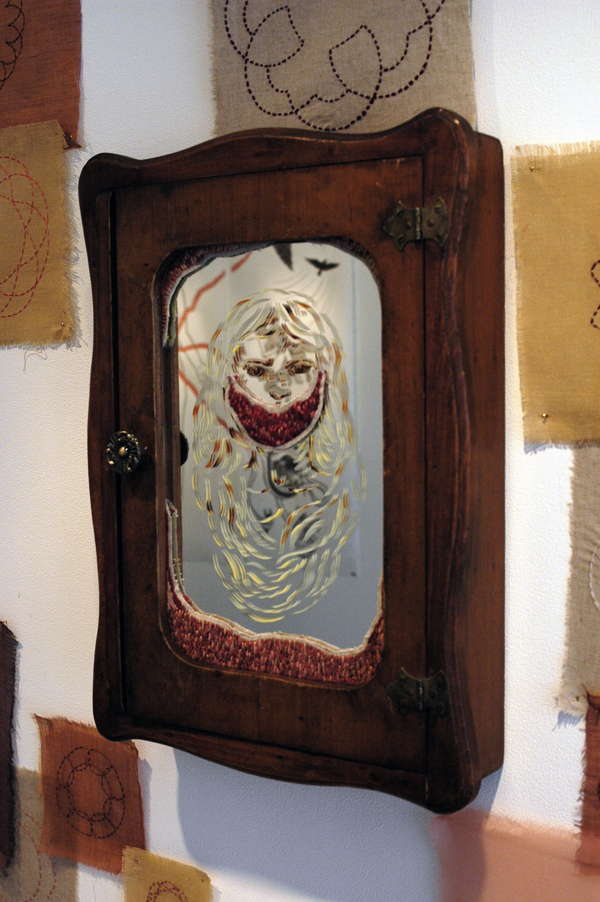
During my graduating year where I reveled in the joy of focusing on a single body of work in, since that time I've taken the opportunity to play much more with materials. I take the time now to experiment in ways that I didn't have time to while I was a student. There is a great sense of liberation working in ones own studio and in ways that are free of scholarly confines (as necessary and incredible as that time and practice may be). Multi-media or interdisciplinary often describes my practice. As I grow I feel less committed to any one material and I allow myself the freedom to change both the aesthetic qualities of my work and it's technical execution whenever it seems appropriate.
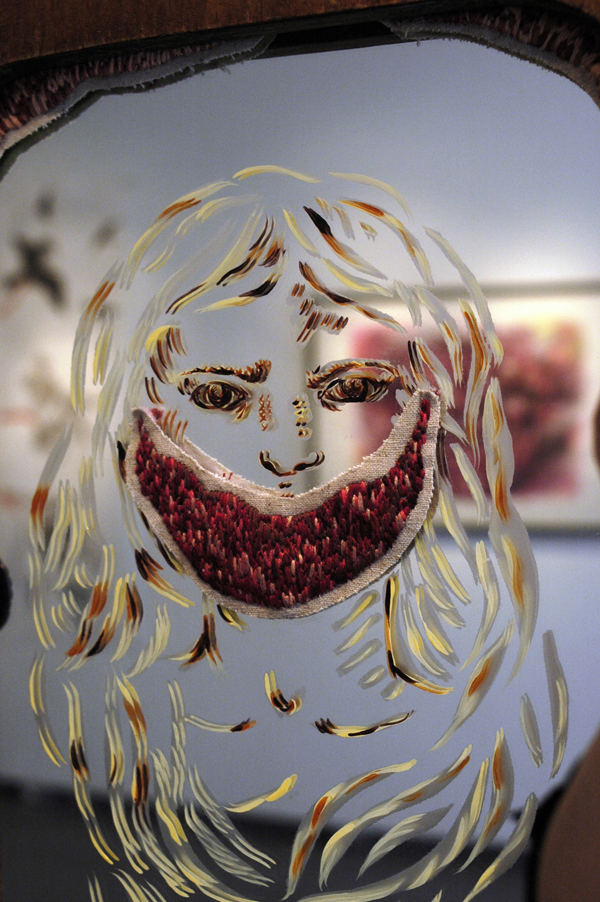
What bridges the works that you have created in differing media?
My expansive and unadulterated use of different materials. It is materials rather than theme that build these bridges between my various works.
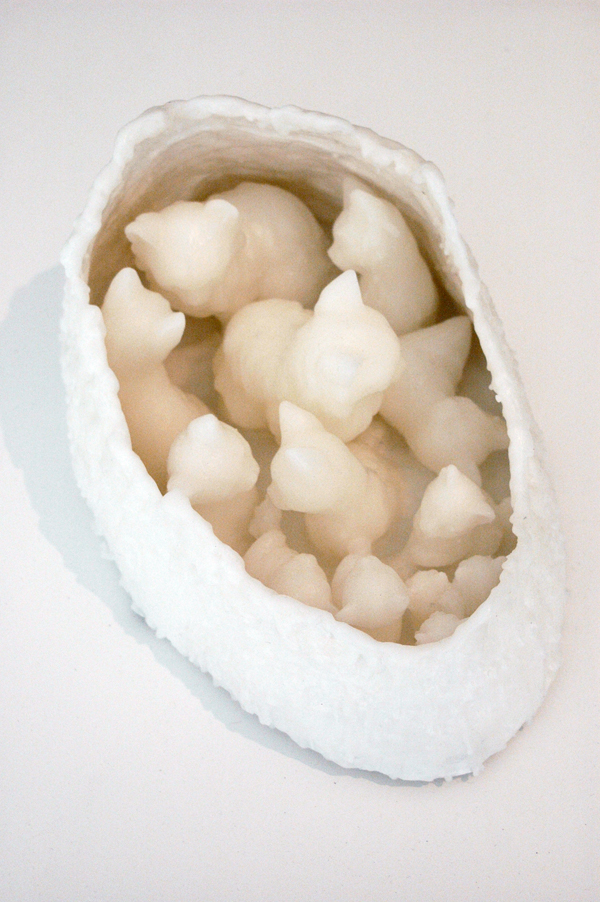
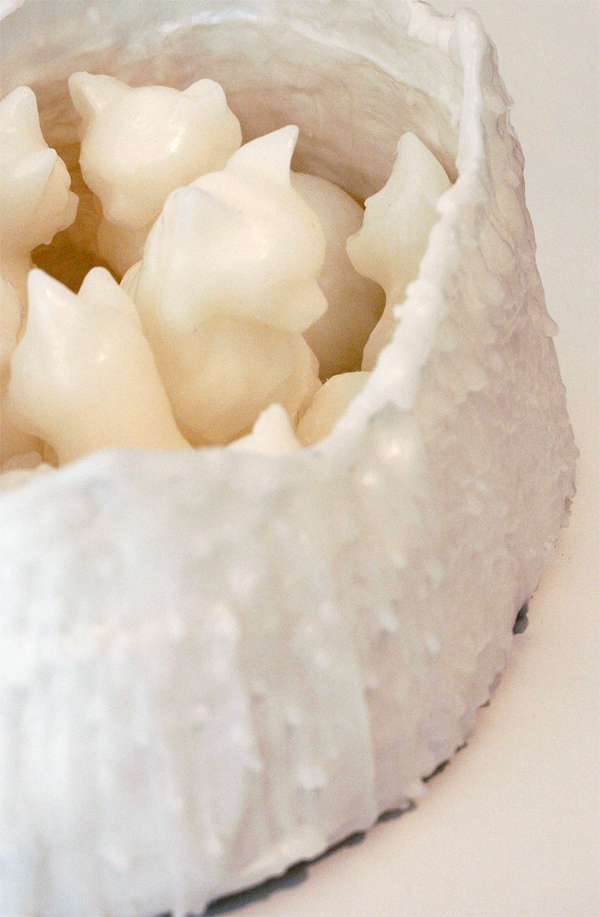
Where do you get your inspiration?
Inspiration comes in waves and yet is oddly very consistent for me. I tend to obsess and binge on certain things that I stumble on and become completely fascinated with and I like to immerse myself completely in them when in that state of research. For instance I go in and out of my obsession with extreme/strange and completely fabulous fashion (which leads to hours of scouring the Internet on fashion blogs/sites etc). However, I could (and often do) revisit anything designed by Alexander McQueen prior to his untimely death and fall in love with the work all over again. I especially loved his 2008 Autumn/ Winter RTW line The Girl who Lived in the Tree.
I read a great deal of fiction and tend to draw from my love of science fiction, fantasy and gothic novels (I think some of this was behind my series of paintings Makeup Monsters, 2012 and my earlier Makeup Masks, 2011. An old favourite is Merve Peake, images of his Gormenghast trilogy had a major impact on me and I still work with pictures of his characters and landscape in my head sometimes.
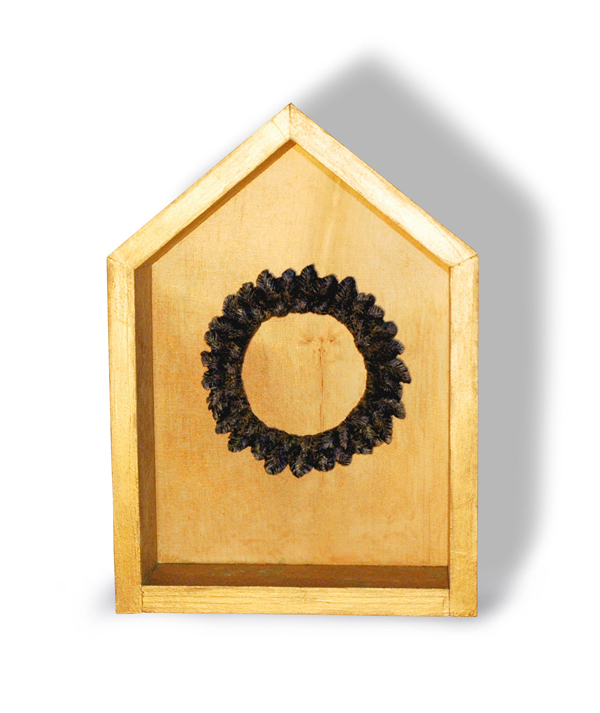
What specific historic artists have influenced your work?
I've always spent a lot of time looking at painting and sculpture that I'm in awe of both technically and poetically. Just a few that I feel particularly drawn to are:
Louise Bourgeois who was a French-American artist and sculptor. I admire her practice as an artist as well as her life long commitment and compulsion to make-work and understand her life through making. She once said: "Connections in my work are things I cannot face." (Quote from Louise Bourgeois, The Spider, The Mistress and The Tangerine, 2008 documentary). The personal narrative of her works ranges widely but were always deeply felt and expressed. I feel a particular connection to her works about motherhood, family and childhood. Bourgeois explored a variety of media and never felt limited or committed to any one field.
Käthe Kollwitz's drawings, prints and woodcuts I find completely moving. They break my heart every time and blow me away with her beautiful rendering. I feel a deep emotional connection to her works as they thematically describe the suffering of the innocent and the bravery of the many. When I was younger I could look at her drawings for hours trying to understand them technically and then would be haunted by her themes for days afterwards. This type of power in art is something that will always amaze me and I'll always be drawn too.
And as an acknowledgement of where my creative practice started, Lawren Harris of the Group of Seven was the reason I wanted to learn how to paint in the first place when I was a kid. When I visit the AGO to this day I still feel that excitement when I visit the Group of Seven room (as corny as that sounds!). I am completely taken by his description of forms in nature. The simplification that finds perfect balance in his paintings is still fascinating to me. His later abstractions are also quite wonderful and his use of colour has really impacted my own pallet, no matter what I'm working on.
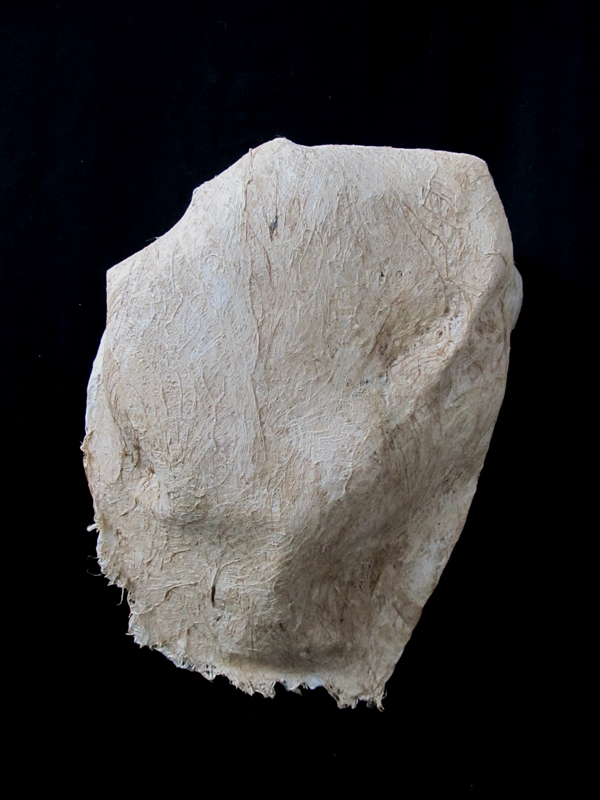
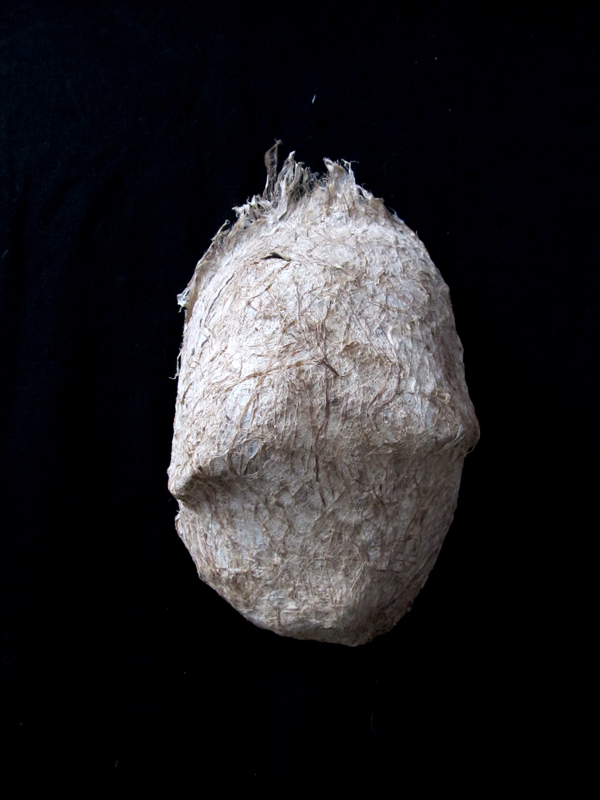
My work looks at what makes us human, which is both awful and magical all at once.
How do you describe your art to others?
When not on my guard, I often start by saying that my work is weird, ugly or strange. Or, that it describes those yucky feelings we have about ourselves, our bodies and our world and the complicated emotional webs that this builds inside of us.
At the core of it I usually try to explain that my work endeavours to make the uncomfortable something beautiful and express the elegant metaphors that hide beneath the surface of our discomfort. My work looks at what makes us human, which is both awful and magical all at once.
It takes time to understand that you really have little to no control over what will manifest in the heart of your audience, and that is wonderful.
Through your art, are you attempting to evoke particular feelings in your audience?
Because my work is always deeply personal, what I attempt to make the audience feel is … anything. I think that's the point of making artwork. It takes time to understand that you really have little to no control over what will manifest in the heart of your audience, and that is wonderful. I've been so surprised by the depth of connection I have to perfect strangers when they tell me what my work has meant to them. I think by making honest work you get honest reactions, which are often very close to what you intended or deeper than you alone could have imagined. The works we make take on lives of their own once they leave your studio.
As you mention your studio, that leads me to the next question. Tell us about your studio and how you work:
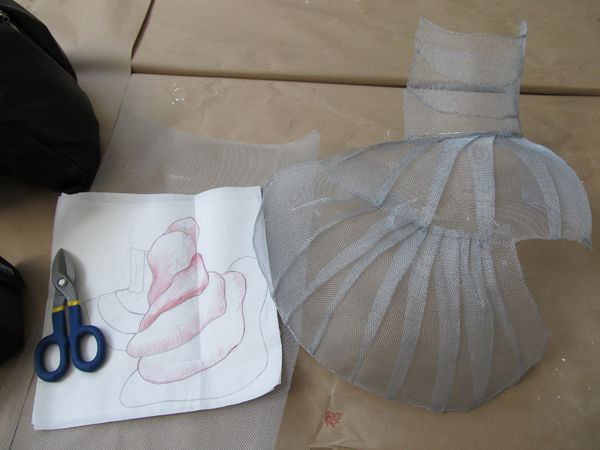
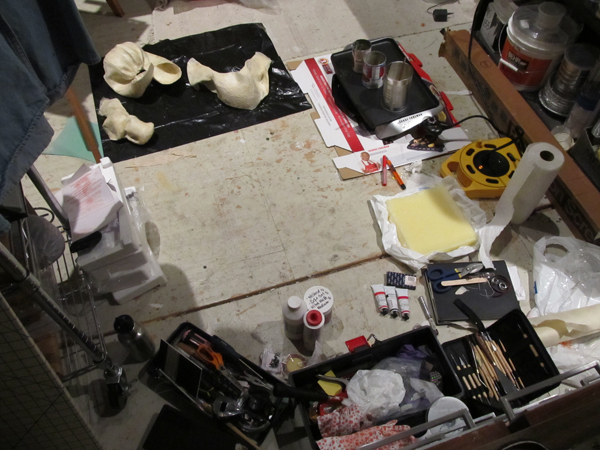
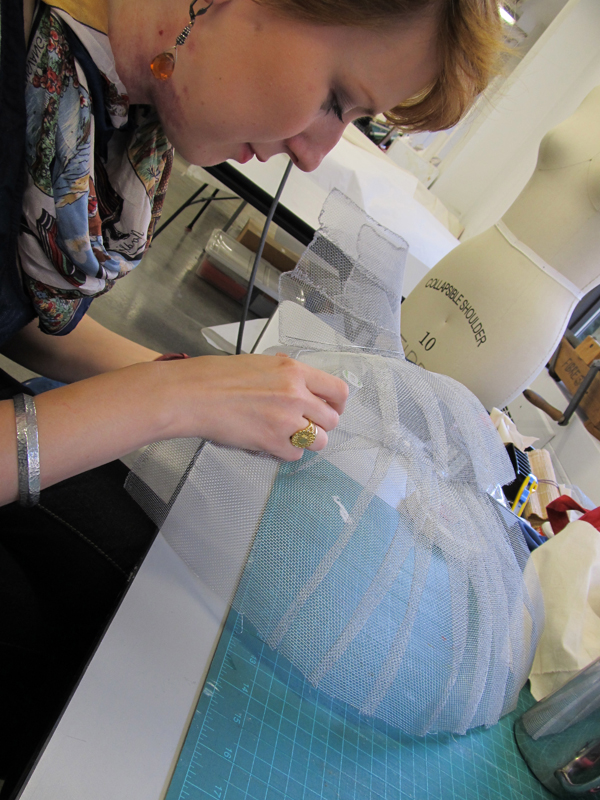
My husband and I converted our living room into a live in studio in our apartment. It's not perfect but it does the trick. When working on a project I tend to take over the space and use the floor, all surfaces and often several other rooms until the work is done. I also have the great benefit of renting from my in-laws who are both artists. My mother in law has (thankfully) always been more than accommodating with her studio space if I need to do something that is too dangerous for our little space (involving heat or a project that requires ventilation). I've been allowed on more than one occasion to take over a corner in her studio to work.
What specific contemporary artists have influenced your work?
I love Nicola Hicks' sculptural works. She is an English sculptor born in 1960. The tactility in her work is wonderful with a wide use of plaster, straw and other natural materials. Her use of animals in her work has always had an impact on me. I also appreciate the new level of thematic impact her works take on when they are placed in public spaces such as her 1996/7 work, Recovered Memory. She has also made some beautiful drawings of animals that have both a wonderful sense of gesture and movement in the soft but strong charcoal lines.
Andy Goldsworthy makes the most ephemeral and completely outstanding outdoor installations that always blow me away. He is an English sculptor born in 1956. I greatly admire his philosophy of making work. In a comment about his work he states:
"Movement, change, light growth and decay are the lifeblood of nature, the energies that I try to tap through my work. I need the shock of touch, the resistance of place, materials and weather, the earth as my source. I want to get under the surface. When I work with a leaf, rock, stick, it is not just that material itself, it is an opening into the processes of life within and around it. When I leave it, these processes continue." (http://www.ucblueash.edu)
This allowance to let the work make and un-make itself is refreshing and his use of materials is both breathtaking and brave.
I also have the great fortune of being surrounded by an amazing community of artists/designers. The work I've done with Woman King Collective leads me to being inspired on a daily basis by my fellow artists/ designers/ curators - Angeline Tetrault and Tara Lee Towers. Tetrault's work continues to excite me with her more conceptual approach to art making paired with the beautiful aesthetic (and fun) quality of her design work. While Towers' work tugs at my heart stings. Balanced between the emotionally delicate and a punch in the gut that only really honest work can deliver I feel always caught off guard by not only her use of narrative but the outstanding execution of her technical skills, whether it is cross stitch or human hair it's always deeply moving.
My husband, Duncan Newman, is also a very talented draftsman and comes from a rich family history and tradition of artists. Living/working beside him always keeps me on my toes. Whether I'm asked to explain myself and my work conceptually or if he sees room for improvement in my work, I know I'm made a better artist by sharing my studio with him and I'm always inspired and challenged by his different approach to making and seeing.
To this day my Mum calls her house "the Megan gallery" because she has so much of my work hanging on the walls.
When you were a child, did you want to become an artist and did your parents encourage your creativity?
As a child I was constantly making things and always loved painting. My Mum was very encouraging and as a kid sent me off to plenty of art lessons and camps all through my childhood. As an adult and when I decided to go back to school after taking a few years off, my family was very encouraging, feeling that this was my calling. To this day my Mum calls her house "the Megan gallery" because she has so much of my work hanging on the walls (ranging all the way back to when I was first learning how to make things). My family makes it to every opening and are my constant cheering squad, I'm very fortunate to have this love and support, choosing a creative career is daunting and you need everyone in your corner to really make it happen.
Please explain how you developed your own style.
Trial and error I think is where it always starts. As well as finally getting tired of making work that looks or feels like it doesn't belong to you, like it's someone else's, which is boring. I think as young artists and students you have to work through other artist's work to understand what inspires you about them and what draws you to it. Then you get it out of your system and move on. At a certain point you find your own way and start making your work. I think for me I had to really talk myself out of feeling guilty about the kind of artist I am and my lack of commitment to a single practice or material. I had to accept that this was my strength and is what allowed me to make my work. Just because I studied painting doesn't mean I'm only allowed to paint. It meant that I started there and often see the world and creation through those trained eyes, but my style and way of making is much more than a title or a single set of skills. It's a creative impulse that comes from within. My style was developed though lots of practice and making work that could turn out both bad and good and a finally realized acceptance that I just needed to express my place in the world through making art.
What other fibre artists are you interested in?
Ann Hamilton's work is magic. Her use of fabric and fibre techniques, where appropriate, as a consistent element in many of her objects, performances and installations are always poetic and simple. In bounden in which her materials were hand-stitched organza, wood embroidery frames, chairs, wall-tearing water is a lovely example of the work I find most moving. This project was described on the artist's website as:
"Across the 72-foot expanse of the wall running parallel to the windows, individual droplets of water continually emerged from thousands of miniscule orifices and wept down the white surface. Mimicking the cursive text of the window's silk panels, a bodily system comprised of thousands of feet of intravenous tubing hid behind the wall's veneer, pumping the supply of water to the skin of its surface".
Her choice of fabric in many installations gives them an almost human or bodily element whether it reminds the viewer of skin, movement or breath. There are almost no words when confronted with this sort of creation.
What interests you about the World of Threads Festival?
It's wide range and scope. I think the World of Threads Festival has done an amazing job of bringing a huge number of artists into their fold and shining a spotlight on contemporary fibre practices and artists as well as artists who are influenced by theses practices, of which I count myself one.