Artist Interview 107: Leslie Pontz
Philadelphia, Pennsylvania, USA.
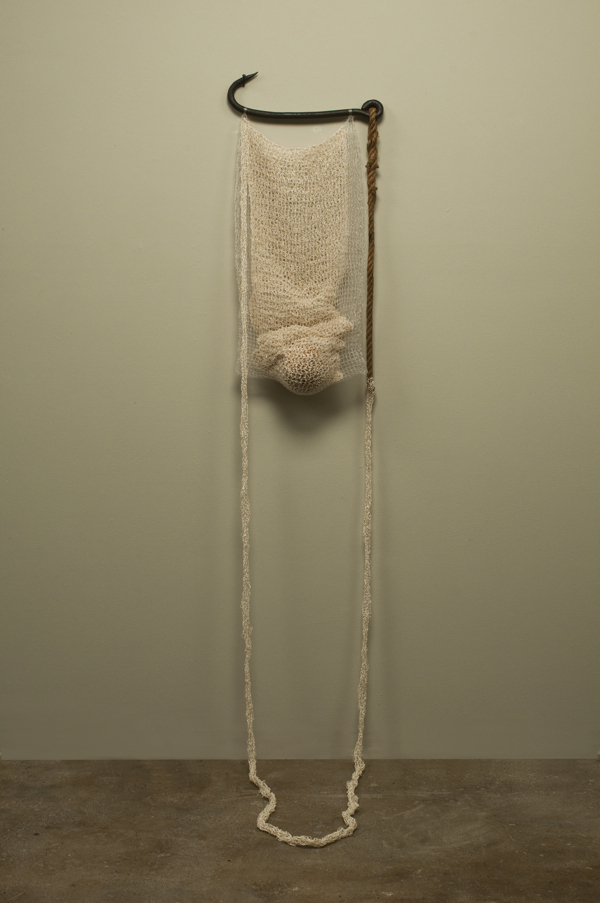
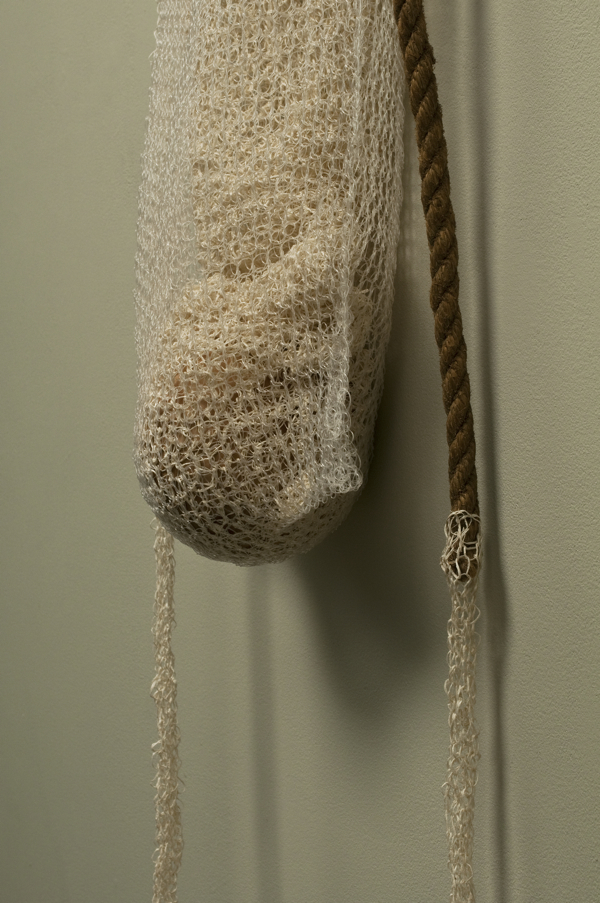
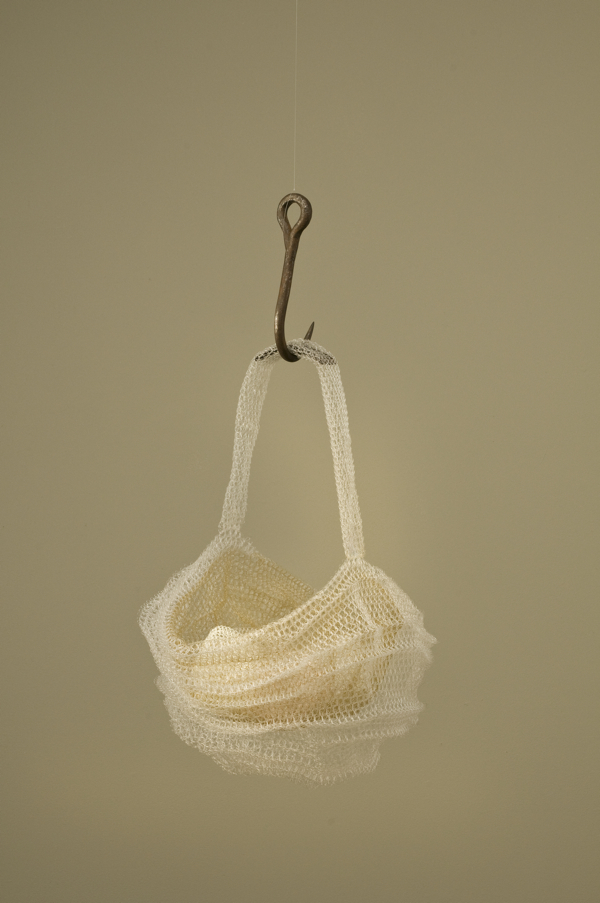
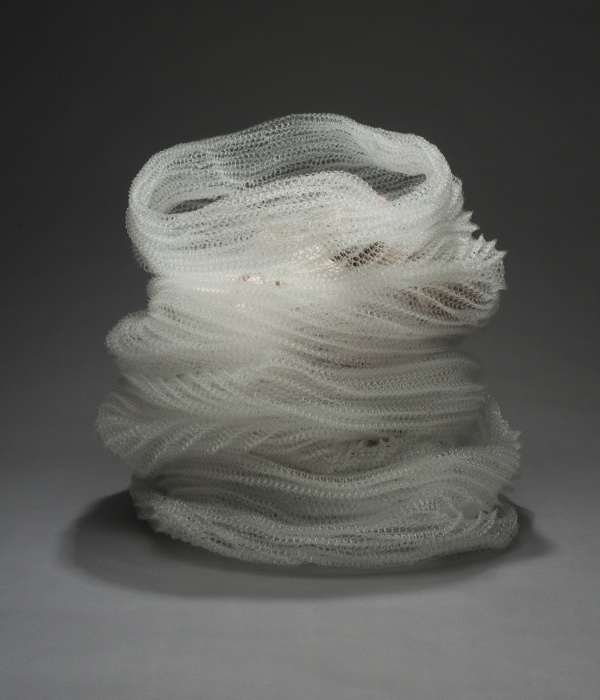
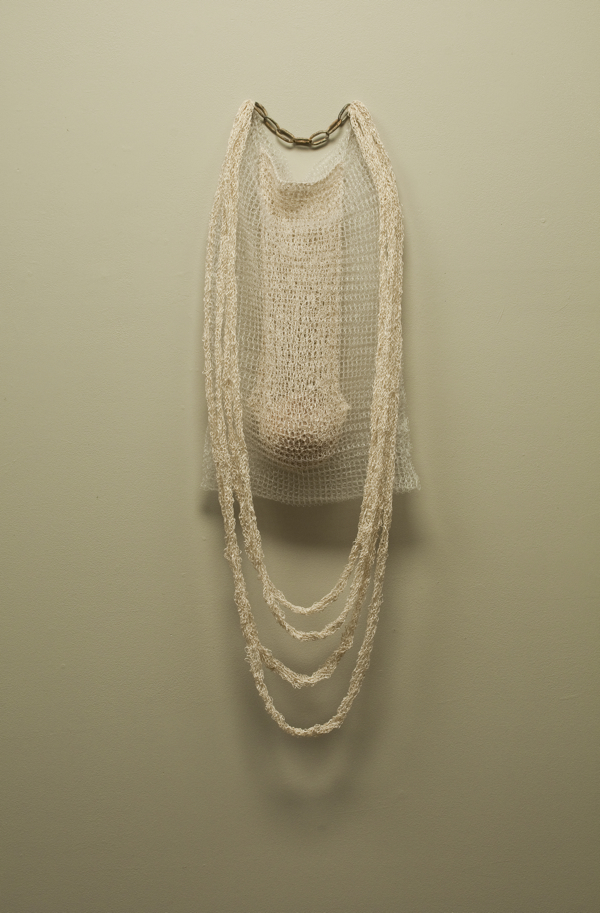
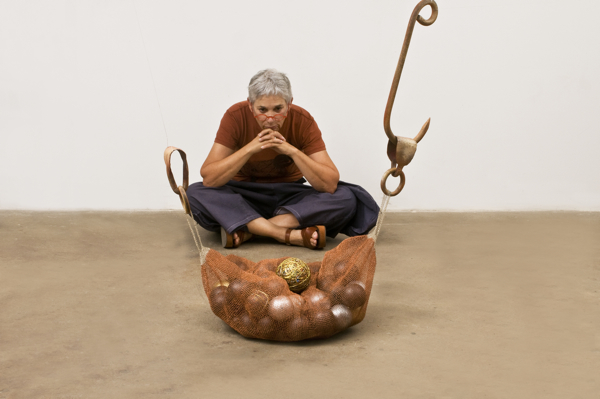
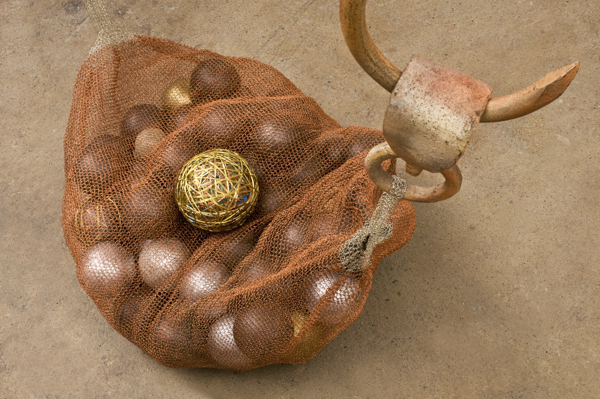
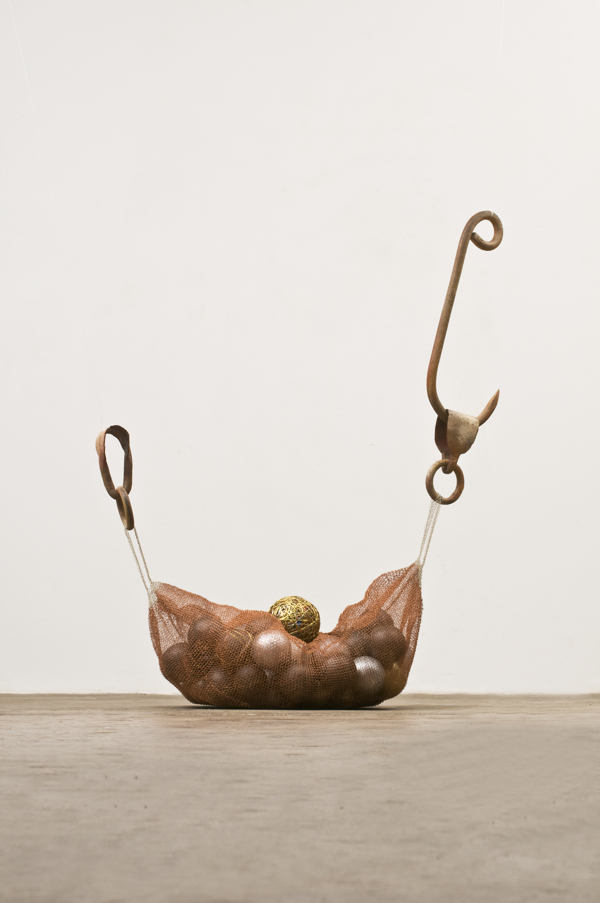
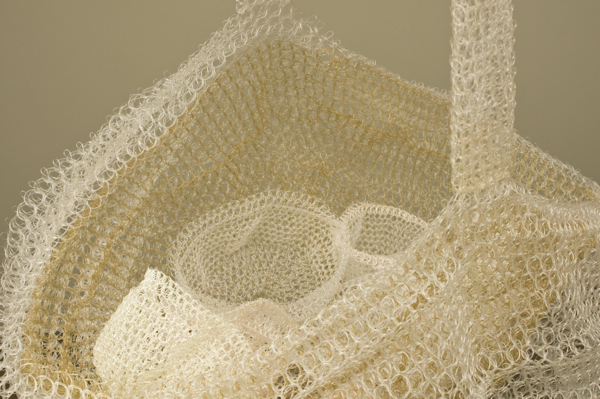
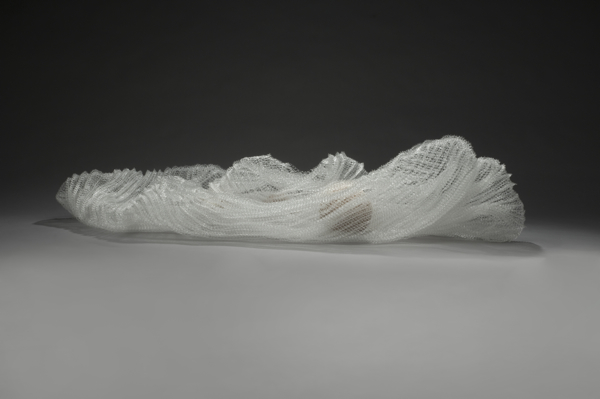
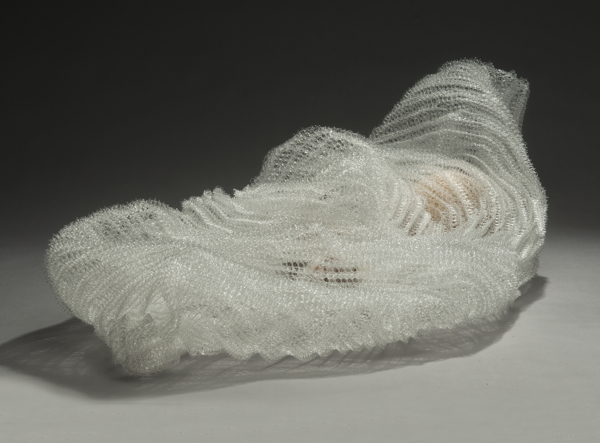
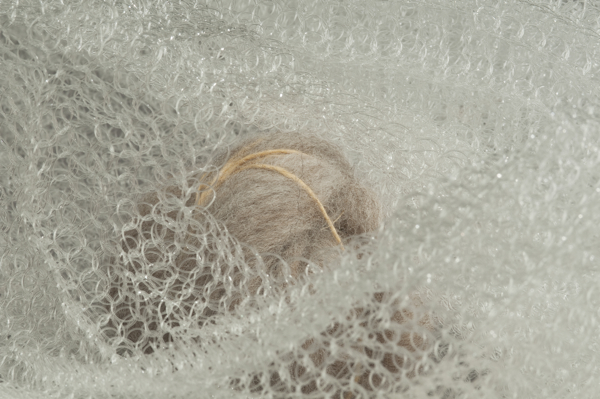
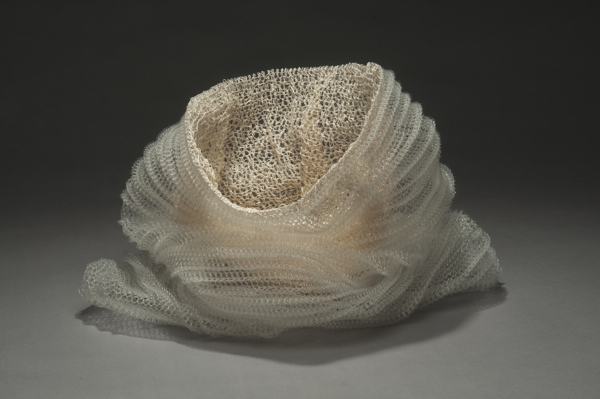
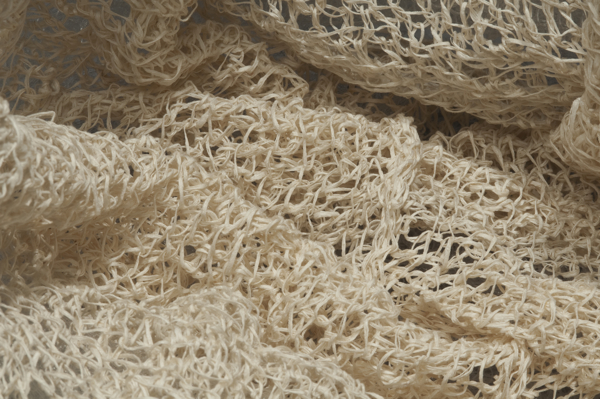
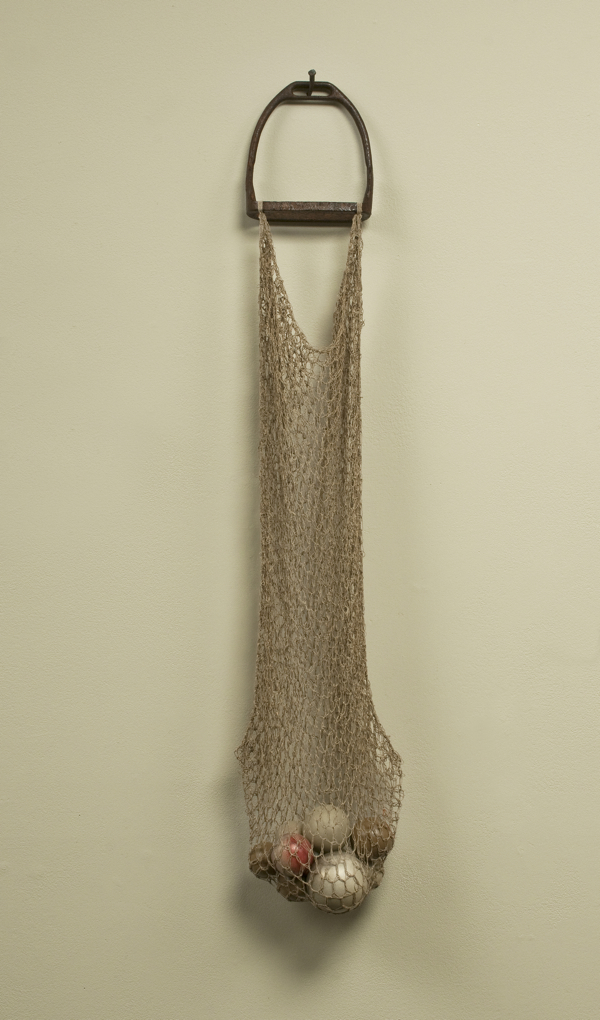
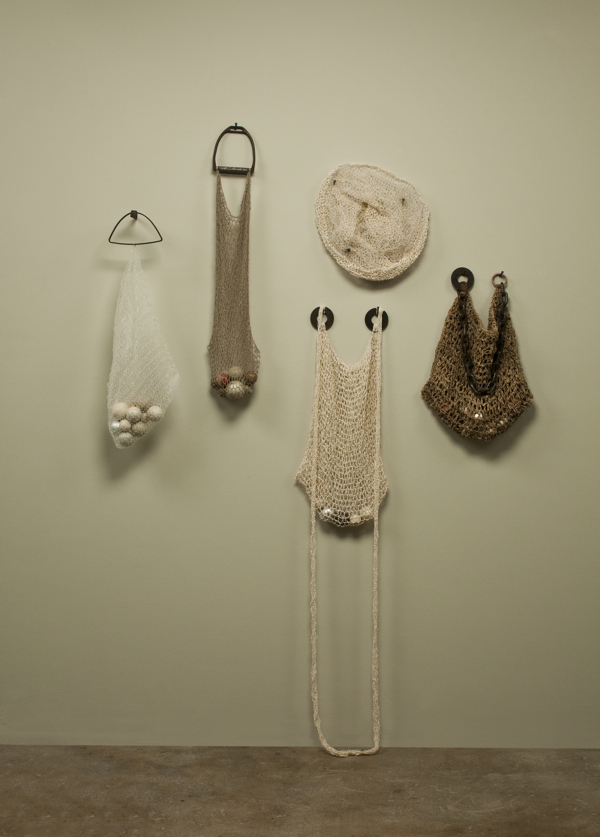
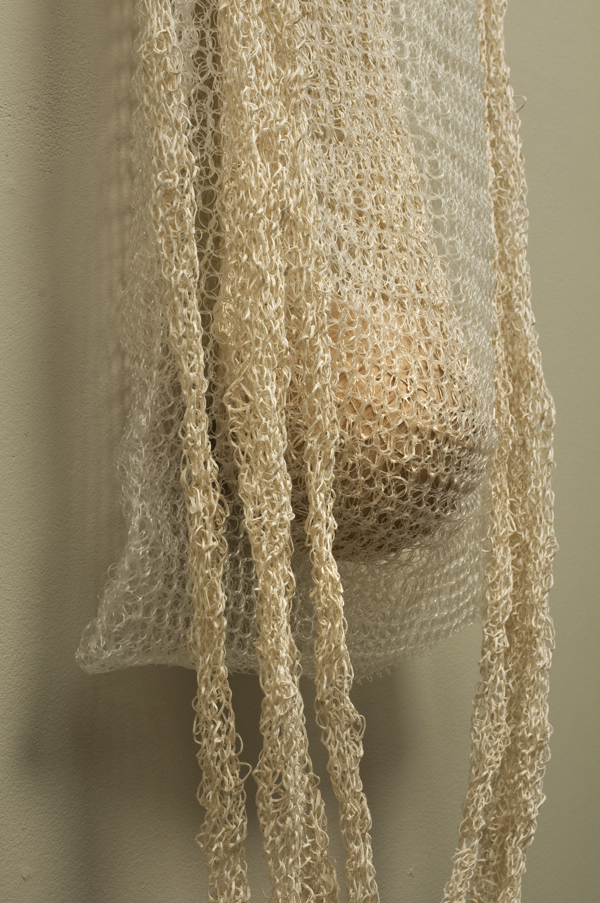
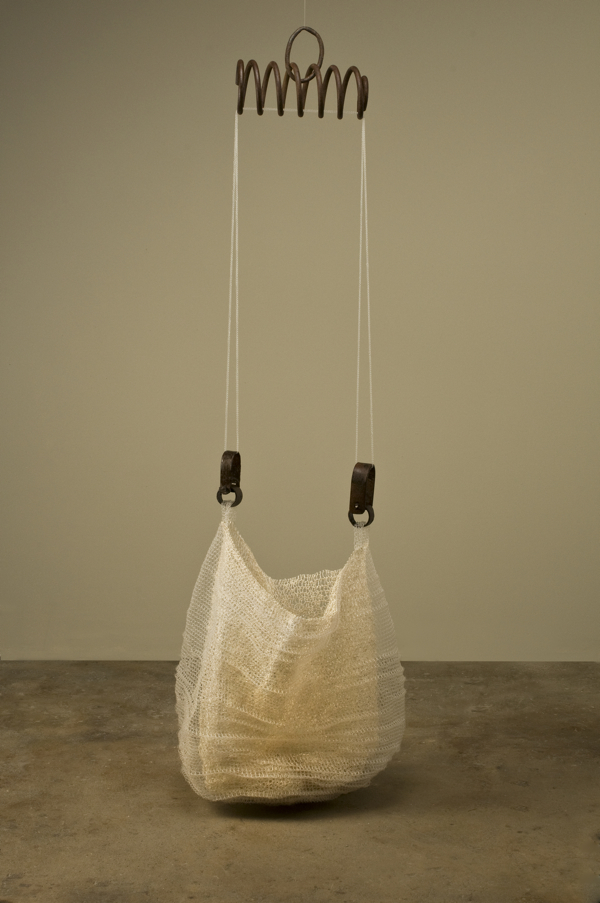
Leslie creates unique 3D sculptural pieces by crocheting wire and monofilament forms and combining them with rusted iron and fibre elements, resulting in fibre sculptures. Using materials like natural wool, linen, and jute, with non-traditional media she explores the concept of co-existing contrasts. She believes her sculpture bridges a gap presenting sculpture made of fibre that is both organic and industrial and reflects the transformation of traditional ‘women’s work’ into complex words of art.
Tell us about your work?
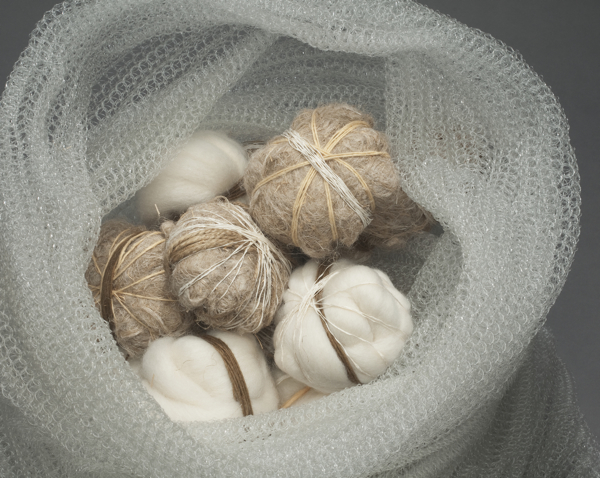
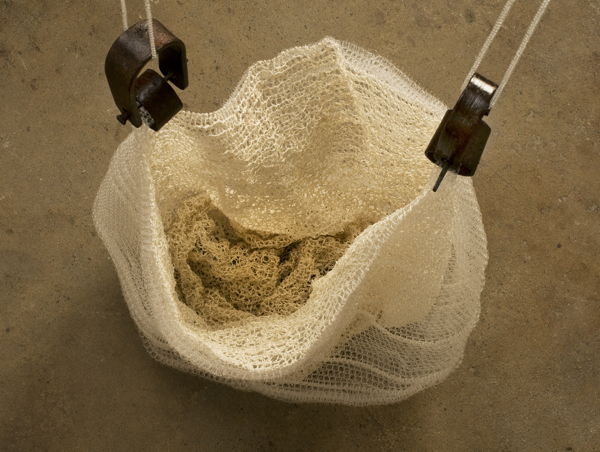
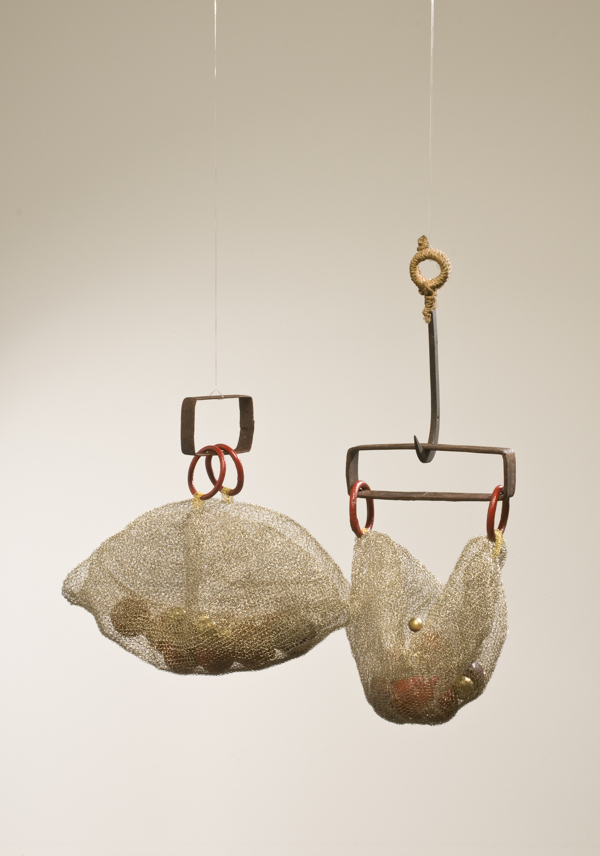
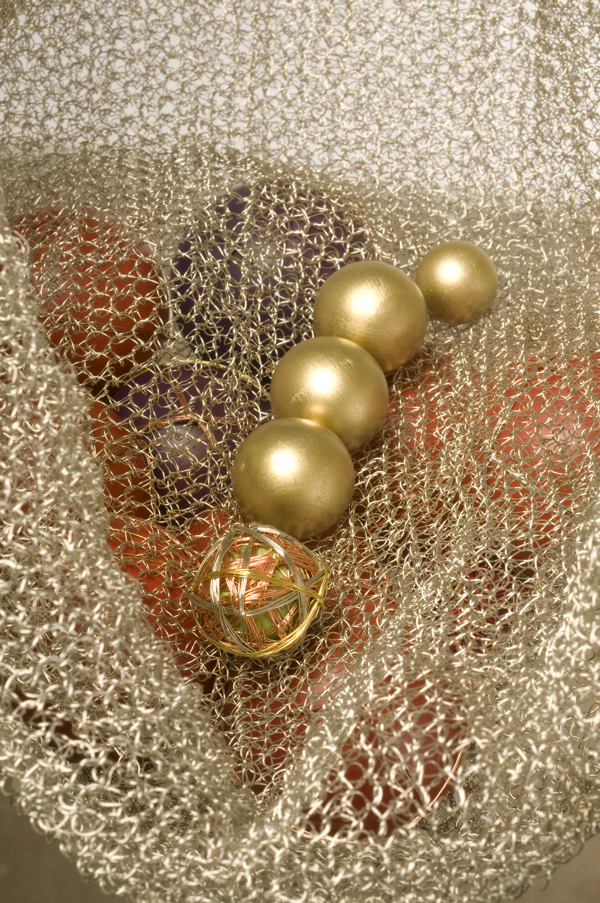
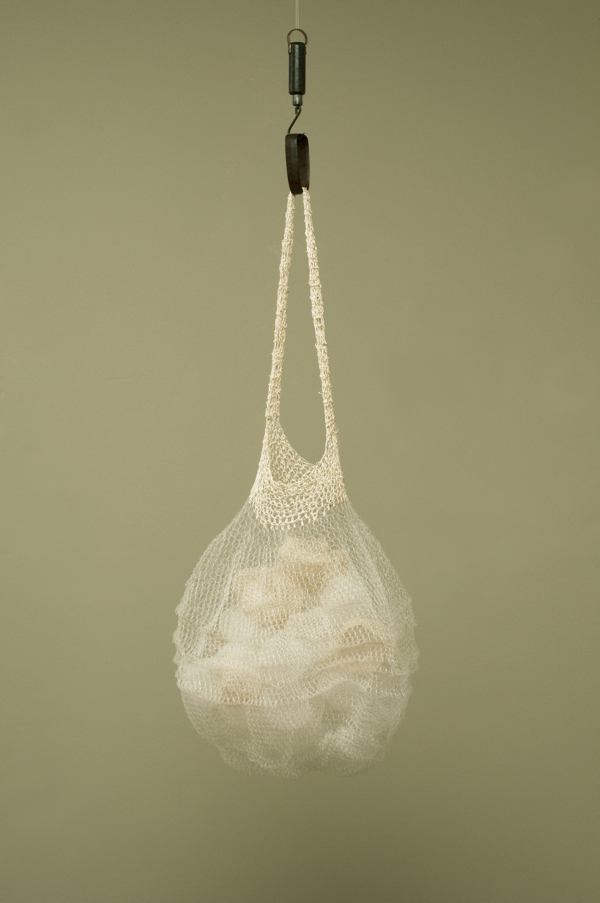
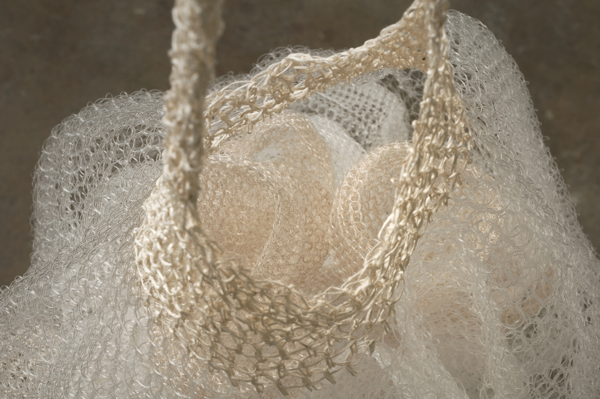
The work that I'm doing at this stage of my career is sculpture, created by using a traditional crocheting technique with non-traditional media. The resulting three-dimensional organic crocheted forms, often suspended from above, combine materials like crocheted metal, monofilament, natural wool, linen, jute, wood and rusted iron elements allowing me to explore the concept of co-existing contrasts. The work is all about opposites coming together to produce a stronger statement as a unit than any one of these materials would have separately. I feel ones senses are challenged by the interaction of feminine and masculine, hard and soft, old and new, large and small, heavy and light. I'm constantly reminded that life itself presents an array of conflicts that always need balancing.
I am also aware that there is a conversation taking place among art historians and critics about the narrowing gap between fine art and craft. I believe that my fibre sculpture bridges that gap, presenting sculpture made of fibre that is both organic and industrial, and is a timely exploration of an underrepresented art form that reflects the transformation of traditional women's crochet work to complex works of art.
Often, the piece on which I am working will generate the idea for a piece to follow.
Where do you get your inspiration?
I discovered the beauty of both the desert landscape and the flowering cactus plants that lived in the desert. I remember thinking how glorious the desert appeared with its grayed colours and hard shapes and soft sand and prickly textures. From the very first moment that I experienced this environment, it seemed so peaceful, full of shapes and textures that didn't seem to go together, but definitely wanted to live together. I drew the cactus over and over and over until the rounded forms simply became part of my natural visual two-dimensional vocabulary. And then, one day out of nowhere, those rounded forms became three dimensional.
Along with the desert forms, which have been a huge influence, I would have to say that inspiration comes from everywhere. The texture on the side of a building, the placement of a rock, the colour of a flower, an old, well used basket, a stroll through a fabric store, a comment from a friend, and the emotions of being a mother and grandmother are all part of my process. Often, the piece on which I am working will generate the idea for a piece to follow.
What specific historic artists have influenced your work?
I have been more inspired by historic periods of art history rather than by individual artists. For example the German Expressionists, the Impressionists, Japanese and Native American Art. Paul Klee, whose works seems to fit into all of these periods, Vincent Van Gogh, whose work is very expressive and energetic, and Auguste Renoir whose forms are organic and gentle, and full of tension between the figures. The common thread throughout these examples is their emotional and spiritual core, as well as the exploration of the forms. Japanese art has a quiet, gentle tension, often created with a few brushstrokes. German Expressionists were just that, expressive with the movement of their brushstrokes and exaggeration of their forms. The Impressionists told a whole story in many different ways. Native American art is simple and honest. Paul Klee was himself, influenced by the Expressionist period, as well as Cubism, Surrealism and Orientalism. Personally, I like Klee's playfulness and childlike perspective. I didn't connect it before, but I investigated these two concepts in my master's thesis.
What specific contemporary artists have influenced your work?
For a very long time, well over thirty years, I have been influenced by the work of Dale Chihuly, who is a glass artist from Seattle, Washington, USA. He has a fabulous understanding of organic form, and I am always amazed by the way the light plays with his shapes, and colours. It is very sensual. To me, the work also responds to the concept of opposites. I am intrigued by the large, emotionally strong pieces that he creates with this fragile medium, pushing, bending and challenging the medium. I love the layering of form within form, and how one form paints over another glazing and creating new forms. I know that I play with these same principals and have always been intrigued with light and its interaction with objects. As a novice art student, I remember my first drawing assignment, trying to draw the light coming through stain glass windows. When I think back on that assignment, I still chuckle.
Another artist, Sheila Hicks, has impressed me with her ability to work monumentally with fibre and to use fibre as her medium, not her message. The art world normally considers fibre work as a craft medium, but Ms. Hicks considers her work art that is made with fibre.
Lino Tagliapietra is another glass artist that has influenced my thought process for many of the same reasons that Dayle Chihuly has affected me. Tagliapietra, whose work is more linear than most of Chihuly's, pushes the medium to its limits, stretching the material and the forms, creating shapes that seem to defy the medium. Many of his pieces are suspended, again an unexpected presentation.
One other artist I need to mention is a woman name Tracy Krumm. Her work is fabulous and I had a strong visceral reaction to it the first time I saw her large crocheted wire pieces. Never having met her, I called her and asked for technical information and over the phone; Tracy very willingly shared all that she had to share.
When you were starting out, did you have a mentor?
When I was very young, my dad, an architect, was my mentor, taking me to the museum regularly and encouraging me to follow my internal voice. I lost him when I was fairly young, and whenever I have questioned my wisdom in following this circuitous path, I have tried to keep his voice along side of me. I have had another mentor, however, in the more recent history of my career. Bruce Hoffman, who has been a gallery director for almost thirty years, took an interest in my work over fifteen years ago and has been challenging my mind and the way I look at my work. Bruce never lets me get too comfortable with new work. He always wants me to ask, "How can I make this better? What comes next?" He always expects me to expect more from myself. I am very grateful to his oft times uncomfortable comments, and his belief that my work can always go miles further.
Please explain how you developed your own style.
This is a very difficult question. I know that it was never a conscious process. There is always a voice talking to me/a thought process happening. I listened to my internal voice, and just kept moving forward until it began to feel right.
We all need validation to help our self-confidence.
When & how did you realize that you had the confidence to proceed with your art?
I am not sure confidence has anything to do with proceeding with art at first. It is really more like learning to walk and talk and draw in that order. Art was always a part of me. I had a need to breathe, and in logical progression, I had a need to do art. My parents in the first instance, and then my husband, always understood that piece of me much better than I did, and always allowed me the space to follow my own path. There have been many times over the years that I questioned the validity of my continuing to make art when the successes were small and far between. It took a lot of time, money and personal investment to be a professional artist, and I never wanted to be a hobbyist. For me it was always important to think of myself as a professional and have the benchmarks of a professional artist. When those benchmarks were not always met, sometimes it was hard to go back into the studio and continue to make art. But the need to make art always out weighed the wavering.
The confidence part has come much more slowly and more recently as I have had some successes. We all need validation to help our self-confidence. Solo shows, articles, museum purchases, and collector purchases are all important validations. And those successes have been important to the development of self-confidence that I have.
There is also a person in my life that has been a great help. Christina Saj Farrell, an artist herself, is a business consultant to artists. She has encouraged me, and taught me to have the courage to face the business side of the art world. I have learned to reach out and let the art world know that I am here and interested in being known. It was not, and is not, an easy path for me to take, but I have learned to navigate in this discomfort zone in order to have the success that I want.
What does your art mean to you?
I am most at peace when I am working on my art, whether is was the drawing, prints and painting that I did for so long, or the sculpture that I am doing now. I feel complete, and at times, pride in my accomplishments.
How does your early work differ from what you're doing now?
There is such a huge difference between the two periods of work. First is the most obvious, and that is the media. My early work was all two-dimensional. The work that I am doing now is all three-dimensional. The work I am doing now is certainly more mature and directed. In the early work, there was a ton of searching and experimenting just to understand the media, the forms and the process. Now I enjoy the process, but it is not about the process. It is about the finished piece and what that piece says and how it adds to my whole body of work.
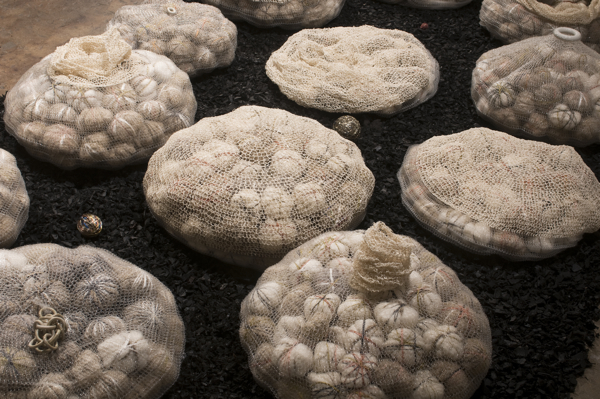
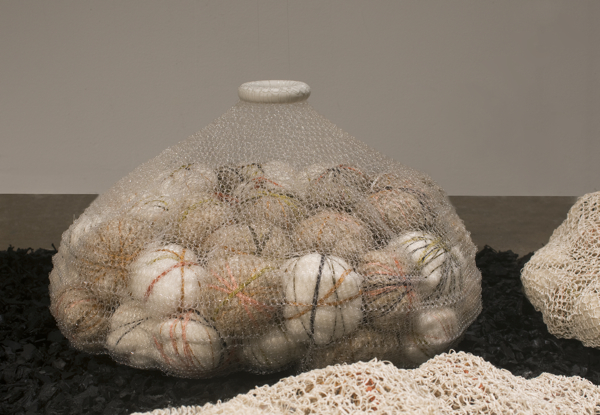
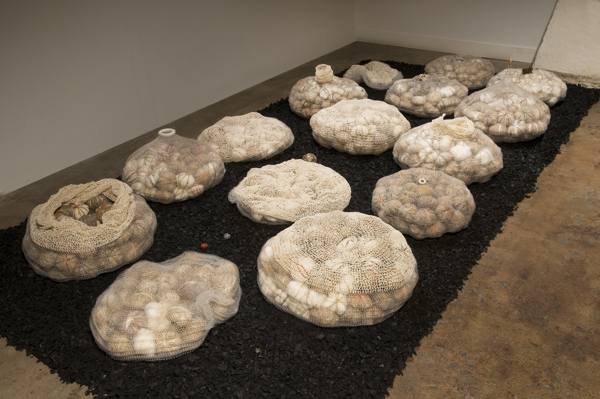
What project has given you the most satisfaction and why?
Whatever piece that I am working on at the moment gives me the most satisfaction. And that's because it is the piece that challenges my thoughts, abilities and ideas the most.
What advice would you give to someone starting out as an artist?
Only follow an art career if you absolutely have to do this. It is easier to be just about anything else than an artist. There are real jobs out there for other professionals. Artists have to make their own way, create their own purpose and develop their own jobs, and often have to work outside the studio in order to put food on the table. Remember that monetary success is not always the litmus test for overall success in art. Learn to understand the business of art. And most of all, remember that you are an artist because you need to be, from the inside out.
Tell us about your studio and how you work:
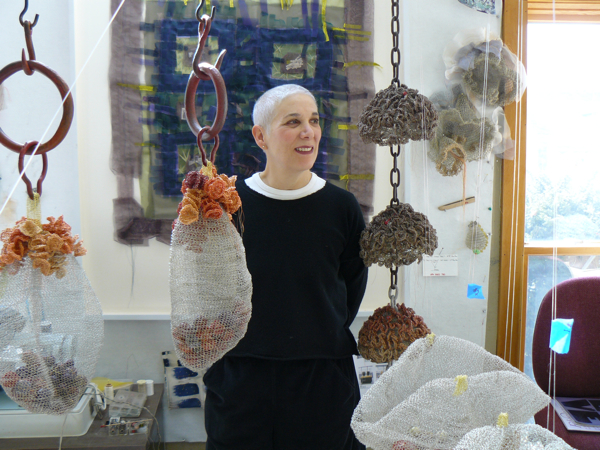
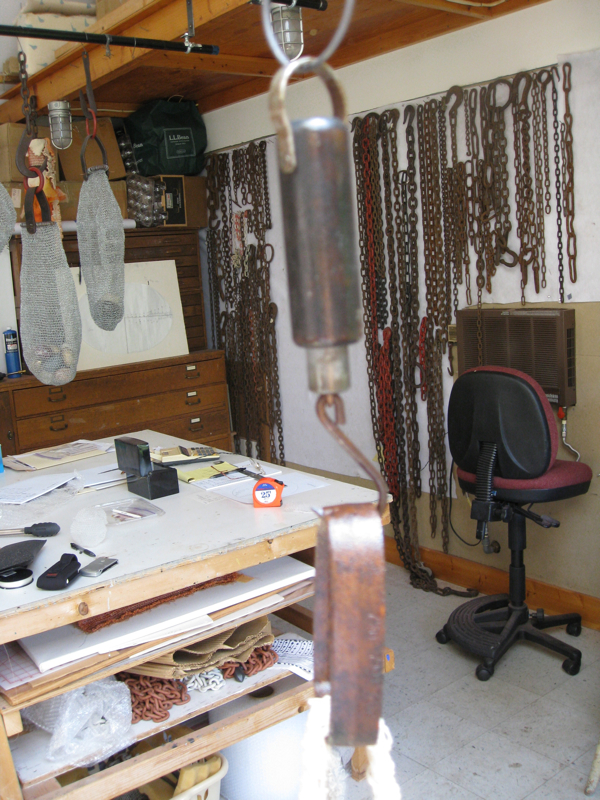
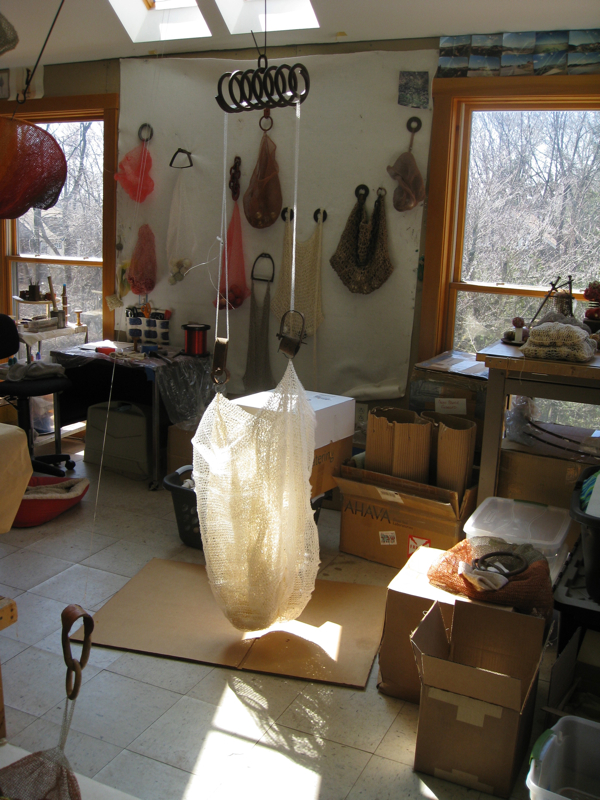
I am surrounded by finished pieces, and pieces in progress. I find that the link between one piece and another is very important to me. I set aside two full days a week that are sacrosanct and do the creative work for about 16 - 20 hours between those two days. The rest of the week I do the business piece of the business. I search for show opportunities, make contacts, process opportunities, ship work, photograph finished work, order materials, search for new materials, pay bills, attend openings, visit museums and galleries.
Where do you imagine your work in five years?
I don't imagine my work in five years. I don't think in those terms. I am working on a series now, that could take me another year or so to resolve, and I have a series in my head that is waiting in the wings. I am always working on the next show, and hopefully the next important sale, but where it will actually be in five years, well – maybe a solo show in the Museum of Art and Design or the Tate Modern.
(I say this with a chuckle. Why not shoot high?)
What interests you about the World of Threads festival?
I have been involved with a festival in Philadelphia, called FiberPhiladelphia, which is very similar in concept to the World of Thread Festival. I was intrigued that there is another venue working towards establishing the breadth and importance of the fibre world.