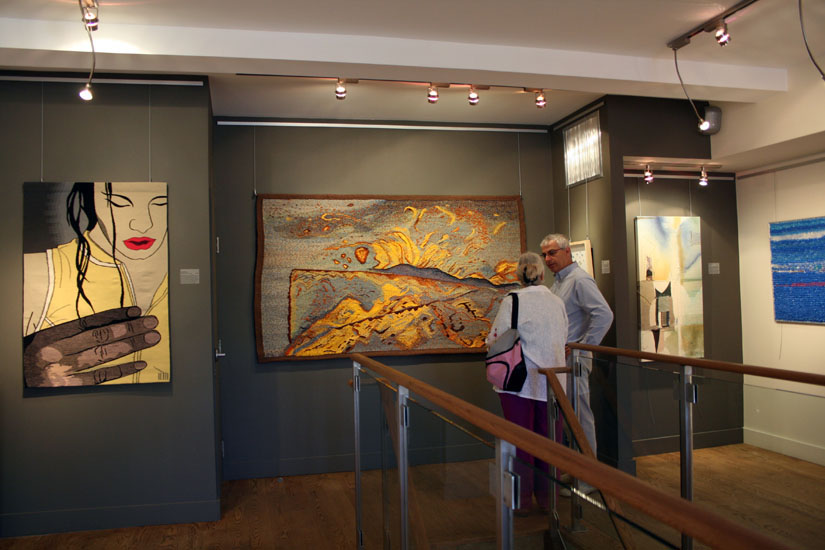
Artist Interview 6: Ixchel Suarez
Oakville, Ontario, Canada
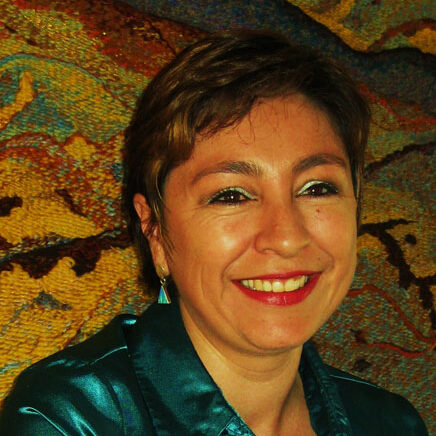
Ixchel Suarez has been an artist for more than 35 years and has explored diverse media such as painting, photography and fibre art. Her profound interests in textiles led her to studies in Mexico and Europe.
Tell us about your work?
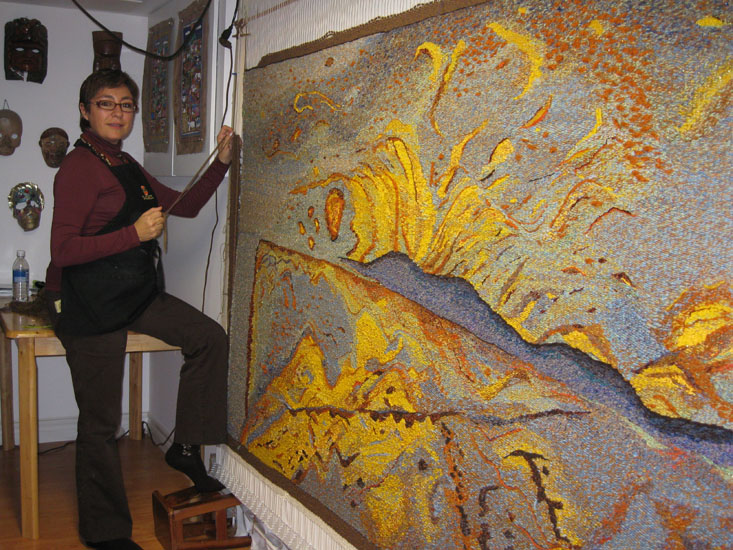
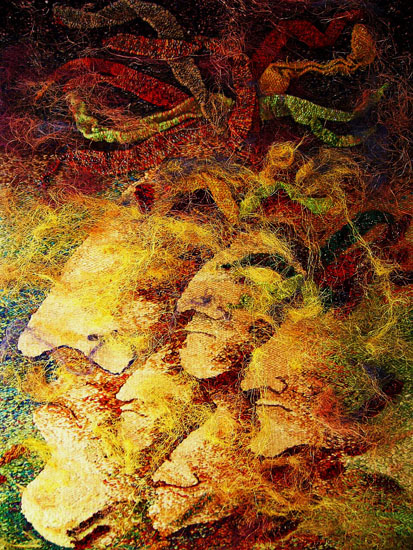
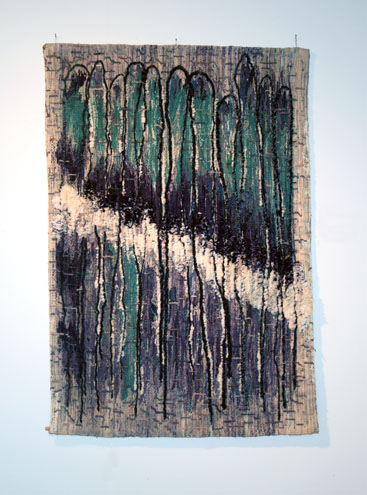
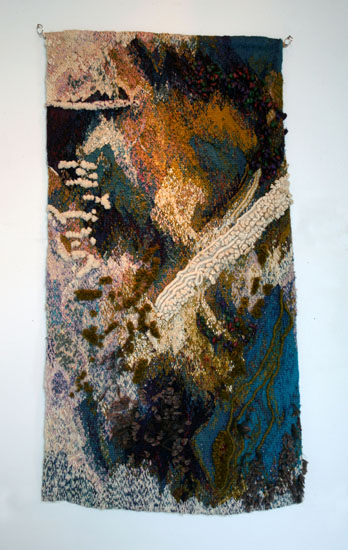
I am a textile artist and have been exploring possibilities through diverse textile techniques (weaving, batik, printing, dying, paper, etc.) Through this search, I found in weaving, a way to express my needs by the use of diverse materials and non-conventional tapestry techniques.
Previous World of Threads Exhibitions
Ixchel Suarez participated in 2007 in the Guilded Threads Exhibition where she was the winner of Best in Show. In 2009 in the Common Thread International Exhibition Part 2. For Festival 2012 she was in three major exhibitions De rerum natura (On The Nature of Things), Memento more and the Quiet Zone. Festival 2018 Ixchel was in the major exhibition Flow. Ixchel was also part of the festival organizing committee for Festivals 2009 and 2012.
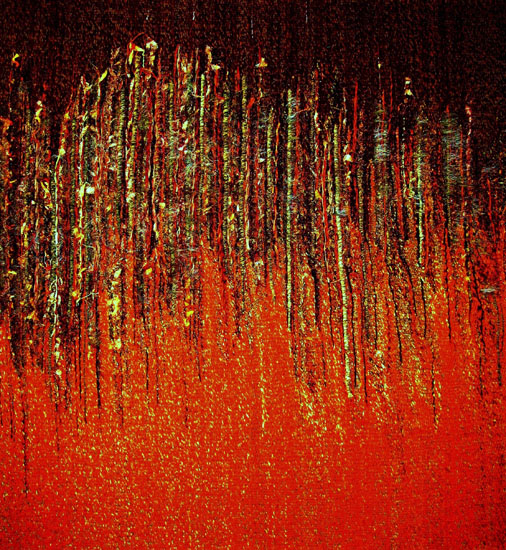
For a long time my inspiration was in the Maya Culture. My grandfather was an archaeologist so at home we had a lot of literature for me to explore.
Where do you get your inspiration?
For a long time my inspiration was in the Maya Culture. My grandfather was an archaeologist so at home we had a lot of literature for me to explore. Not only was this interest in their ideology and cosmogony, but also the abstract shapes that fused into fibre forms.
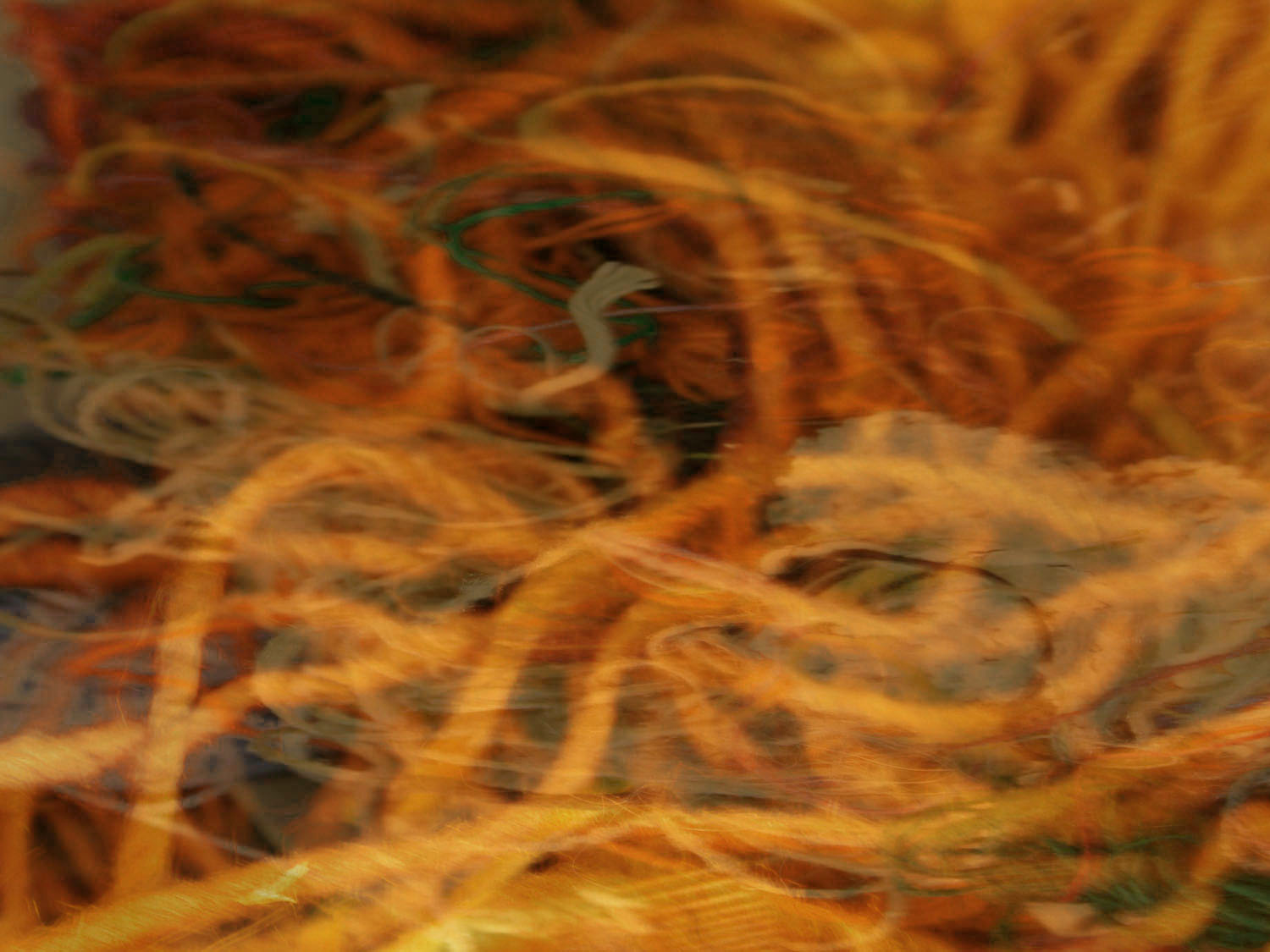
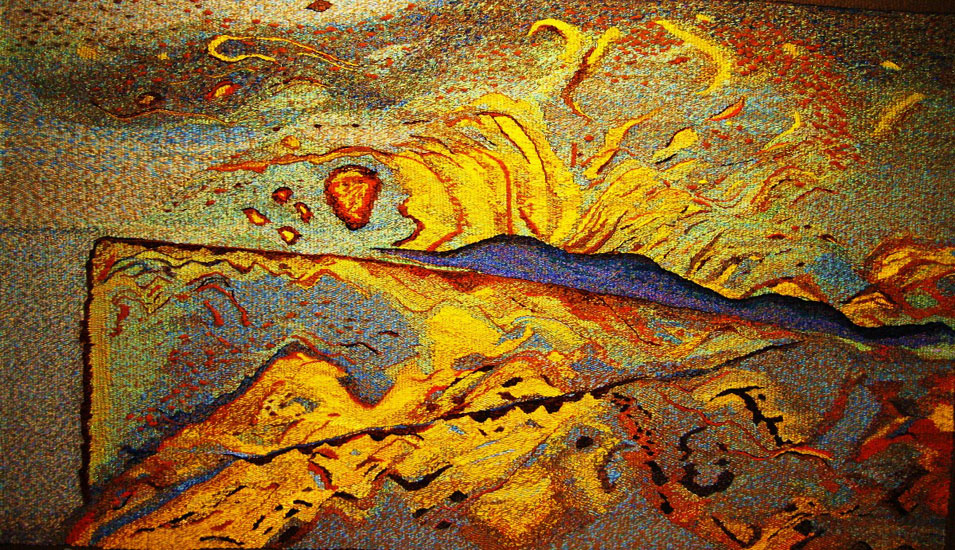
Another very important part of my inspirations has been photography of simple details of nature interpreted through textures. Shapes, colours blend in ideas at the moment of a photo shoot. My camera and my eye can sometimes see woven ideas!
Why did you choose to go into weaving?
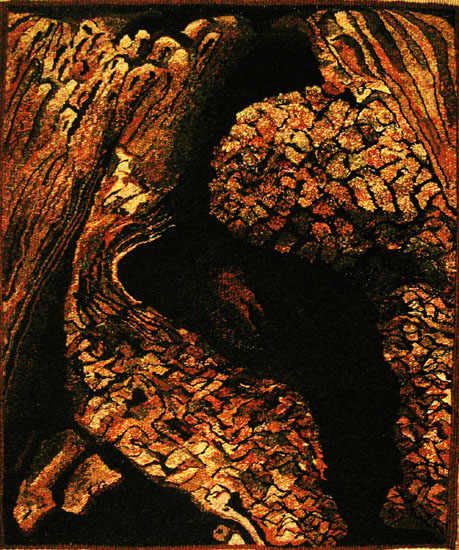
Tapestry weaving is a medium of vast possibilities and in my case, I can tell you that the different materials, whether natural or synthetic, have guided my way through. Textiles are the closest materials from early settlements, in all cultures and time. It is something that it refers to comfort and warmth. The visual experience of feeling-seeing textiles is always appealing. I just LOVE working with fibres!
What other mediums do you use, and how does this inform your fibre work?
I used to paint and love photography. When I was growing up we had a dark room at home and we used to do prints with my dad, altering the grains or visual effects. Now with the new technologies, I am going back to photography to explore details of nature and interpret them though my tapestries. It helps me guide my cartoons for the weaving.
What specific historic artists have influenced your work?
I think I always loved the series of the Lady and the Unicorn Series of tapestries. The monumental productions of tapestries from the XIV to XVII C. After that I found out about Jean Lurcat in France and the influence on the new vision of tapestry. It was possible to break the established rules!
What specific contemporary artists have influenced your work?
There was this exhibition in 1985 that came to México from Contemporary Polish Art! WOW, since then, I was just focusing on them, their styles, proposals, ideas. The formats regarding the three-dimensionality and the use of ALL kinds of materials! I had to go there and explore them. That's how I ended up studying in Lodz, Poland for a year and a half!
What other fibre artists are you interested in?
There are many fibre artists I love. I can mention just some particularly in tapestry like Magdalena Abakanowicz or Ewa Latkowska-Zychska, both from Poland or Marcel Marois from Quebec….But I like different fibre techniques, not only tapestry, like paper as pulp only.
I have a lot of interest in what Bulgaria, Poland or France is proposing. South American Fibre art is giving some points of interest, especially from Argentina considering explosions of textures and diverse materials.
Japan has been a leader in fibre art, though sober, simple and clear ideas, I tend to prefer the more dramatic contrasts of textures through materials.
What role do you think fibre art plays in contemporary art?
Fibre Art has been a very controversial catalogued art expression. Between Art and Craft there is a very fine line and this tends to determine who does what or who gets into museums and galleries. However, I believe that as Fibre Artists we have the opportunity to remove that tag and start positioning Fibre Art into a Fine Arts level.
Tell us about your studio and how you work.
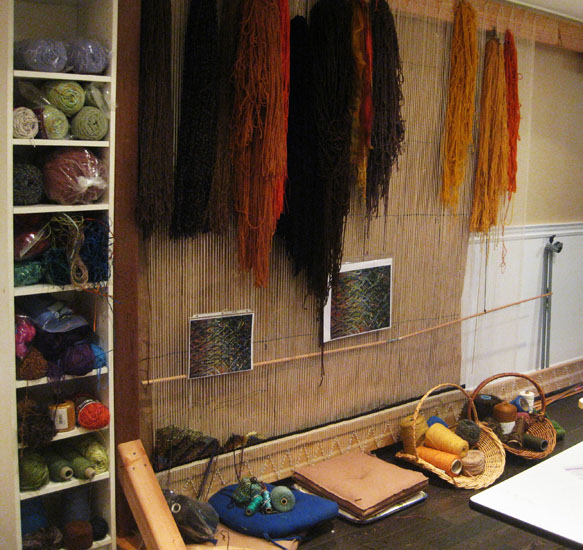
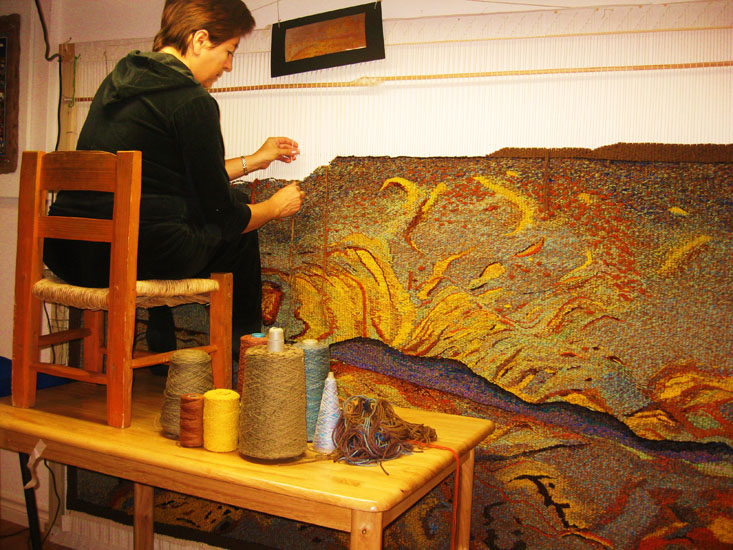
After moving to Canada, I have been moving quite a lot since then. I used to have a great studio and Fibre Art School in Mexico, but due to my husband's work we have been on the move, from Mexico to Spain to Mexico and now here to Canada. This has been a bit difficult to settle and do my work. I prefer to work in large formats so it is not always easy to find space. Today I have quite a comfortable studio that gives me the possibility of creating large formats. I also teach painting and tapestry there, so it is a "creative hub" and really inspires me to work.